You have not yet added any article to your bookmarks!
Join 10k+ people to get notified about new posts, news and tips.
Do not worry we don't spam!
Post by : Anis Farhan
Public transport is one of the great equalizers of modern society. Whether you’re in a bustling Asian city, a European capital, or a suburban town, buses, trains, and trams bring together people from all walks of life. Yet, while timetables, fares, and routes are official, the real backbone of commuting is built on something far less tangible: unspoken rules. These are not printed on signs or enforced by authorities, but they are understood and followed almost instinctively by commuters everywhere. Over time, these silent codes shape how millions of people share the same confined space daily.
One of the most universally acknowledged rules of public transport is respecting personal space. Even in the most crowded conditions, there is an invisible boundary commuters try not to cross. Leaning too close, taking up extra room, or speaking loudly can easily disrupt the delicate balance of a shared ride. Passengers learn to minimize movements, keep their belongings close, and avoid invading another person’s comfort zone. This awareness, although unspoken, maintains harmony in environments where physical closeness is unavoidable.
Seats on public transport often serve as a silent battlefield. Everyone knows the unspoken hierarchy of who should sit first: elderly passengers, people with disabilities, and pregnant women. Giving up your seat without being asked is considered a sign of respect, while ignoring this responsibility often earns silent disapproval. In many countries, even if priority seats are marked, the etiquette extends to all seats when someone visibly in need is standing. The gesture of standing up for another is not just courteous; it reflects the collective understanding that public transport works best when empathy guides behavior.
Noise levels on buses and trains form another layer of commuter etiquette. While a quiet conversation or a short phone call is acceptable, blasting music without earphones or talking loudly across the carriage breaks the unspoken code. Commuters quickly learn to adjust their tones, often adopting a softer voice or whisper when taking calls. This respect for collective silence ensures that everyone can coexist peacefully, whether they’re reading, working, or simply resting during the journey.
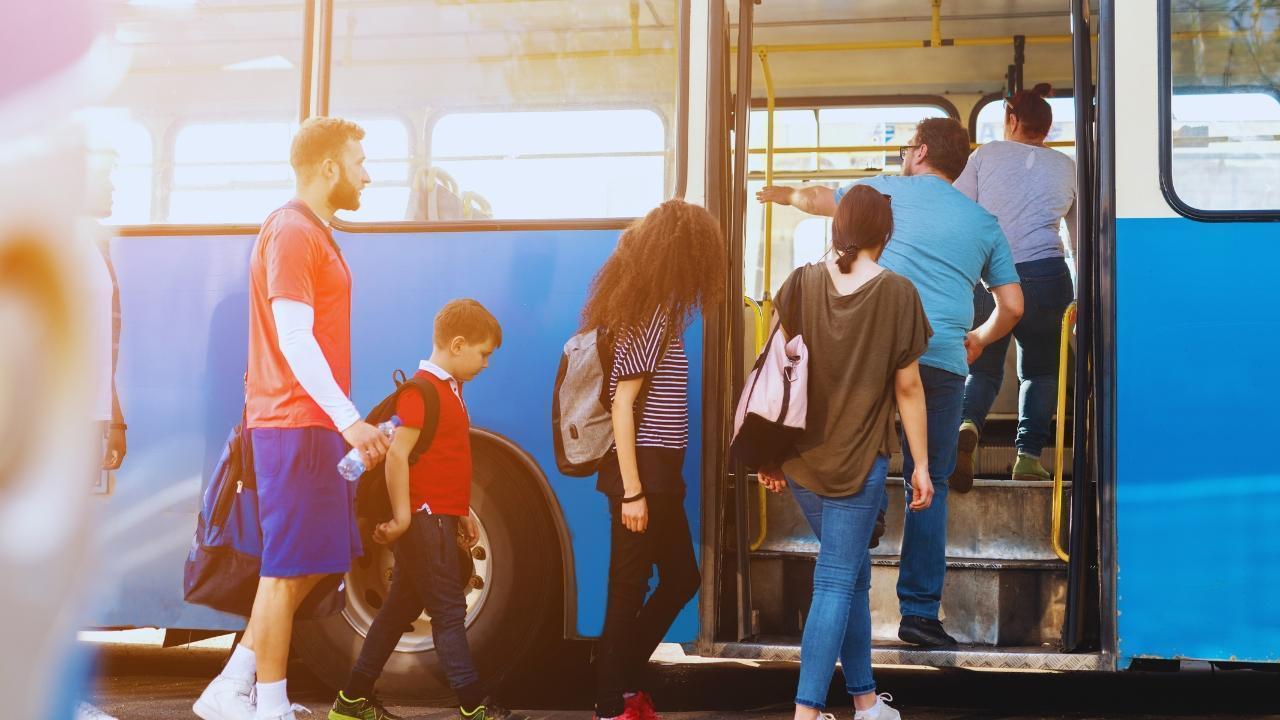
Another unspoken rule revolves around the simple act of boarding and exiting. Commuters know to let passengers off before stepping in, creating a natural rhythm that prevents chaos at doors. Those who rush in before others can exit often face irritated glances, reminding them that order is essential in shared spaces. Similarly, moving quickly when boarding or alighting ensures smoother flow, as public transport systems rely heavily on efficiency and timing.
Bags, briefcases, and shopping items often dictate how much space one occupies. The unspoken rule is clear: keep your belongings close and compact. Placing bags on empty seats is frowned upon, especially when others are standing. Seasoned commuters learn to tuck backpacks under their feet, hold shopping bags in laps, or place luggage in designated storage areas. These subtle adjustments keep the environment less cluttered and more accommodating for everyone.
Even when no physical lines are marked, commuters instinctively form queues. Whether waiting for a bus or standing on a platform, the order of arrival often determines boarding order. Cutting in line is universally considered disrespectful, leading to subtle disapproving stares or whispered complaints. While not enforced officially, this silent agreement upholds fairness and reduces conflict in high-pressure commuting moments.
Interestingly, commuters often develop a form of non-verbal communication. A nod, a polite gesture, or simply stepping aside communicates intentions without words. For instance, eye contact and a small smile may signal willingness to give up a seat, while shifting slightly indicates readiness to let someone pass. These small, silent exchanges create a sense of mutual respect and shared understanding among strangers.
Though the rules are largely universal, cultural differences also shape public transport behavior. In Japan, silence dominates; phone calls are discouraged, and commuters rarely eat on trains. In parts of Europe, greetings to bus drivers are common, reinforcing respect for those operating the service. In some Middle Eastern countries, gender-specific seating exists, reflecting cultural values of privacy and respect. These variations show how unspoken rules adapt to local traditions while maintaining the core principles of respect, order, and consideration.
No one hands out a manual for public transport etiquette—it is something learned through observation and repetition. New commuters often make mistakes but quickly adjust after subtle social cues from fellow passengers. The raised eyebrow, the slight shuffle of disapproval, or even the simple kindness of others often teaches what is acceptable and what is not. Over time, these lessons become second nature, guiding behavior without conscious effort.
At its heart, the unspoken code of public transport is driven by empathy. Recognizing that everyone is sharing the same journey fosters cooperation and patience. Whether it’s holding a door open for someone rushing to catch a train or lowering one’s voice for a fellow passenger trying to nap, these small acts reflect an understanding that public spaces are only as comfortable as the people who use them.
Public transport may appear to be about vehicles, schedules, and fares, but its true essence lies in how people interact within its confined spaces. The unspoken rules—respecting space, offering seats, keeping noise low, and queuing fairly—form the glue that holds this system together. They demonstrate that even in the most crowded environments, silent cooperation and shared values can create order and civility. For seasoned commuters, these rules aren’t just etiquette; they are second nature, turning daily chaos into a functional and respectful routine.
This article is intended for general information and cultural discussion. It does not represent official transport regulations but reflects common commuter experiences and social behaviors.






Lamborghini Catches Fire on Singapore's ECP, Causing Heavy Traffic
A Lamborghini caught fire on Singapore's ECP, causing heavy traffic and bus delays. No injuries were

Bangkok Airport Duty-Free Area Flooded by Pipe Burst
A burst water pipe flooded the duty-free shopping area at Bangkok's Suvarnabhumi Airport on July 16,

Nine Monks Killed in Thailand Pickup Truck Tragedy
An 11-year-old boy driving a pickup truck crashed into monks during a pilgrimage in northeastern Tha
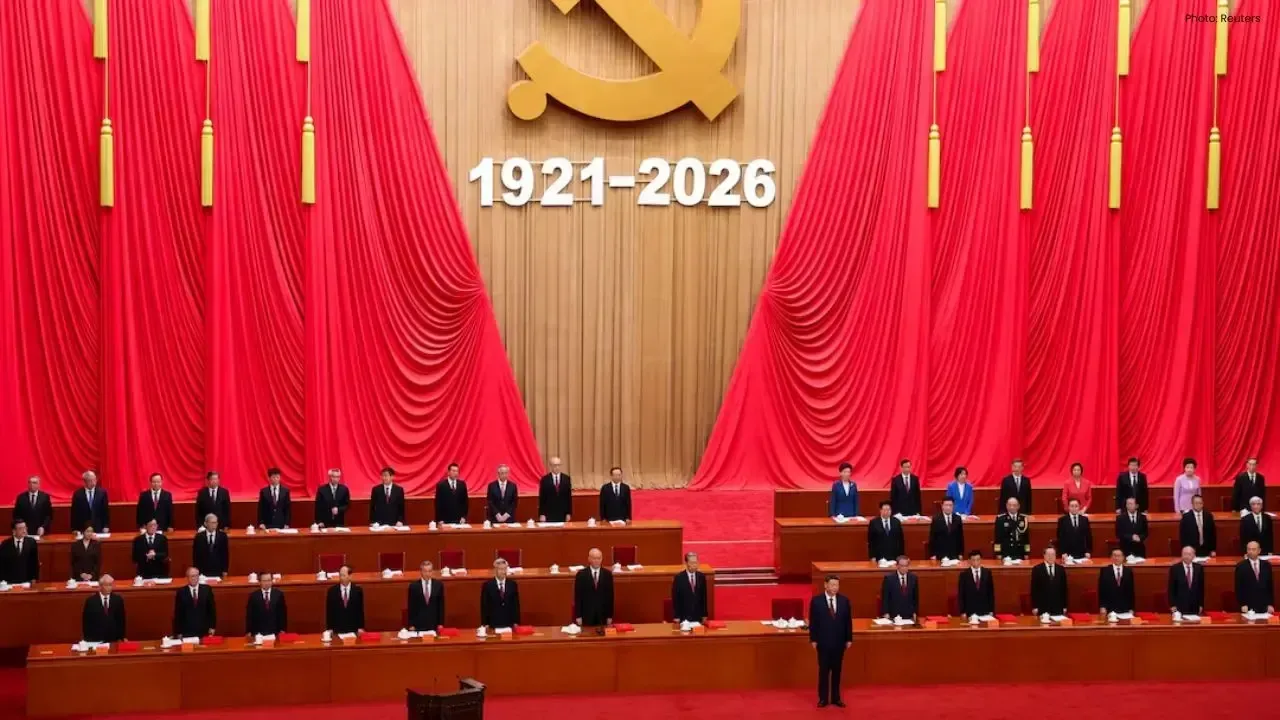
Anwar Congratulates Xi on CPC's 105th Anniversary
Malaysia reaffirms strong ties with China as PM Anwar Ibrahim sends a congratulatory letter to Presi
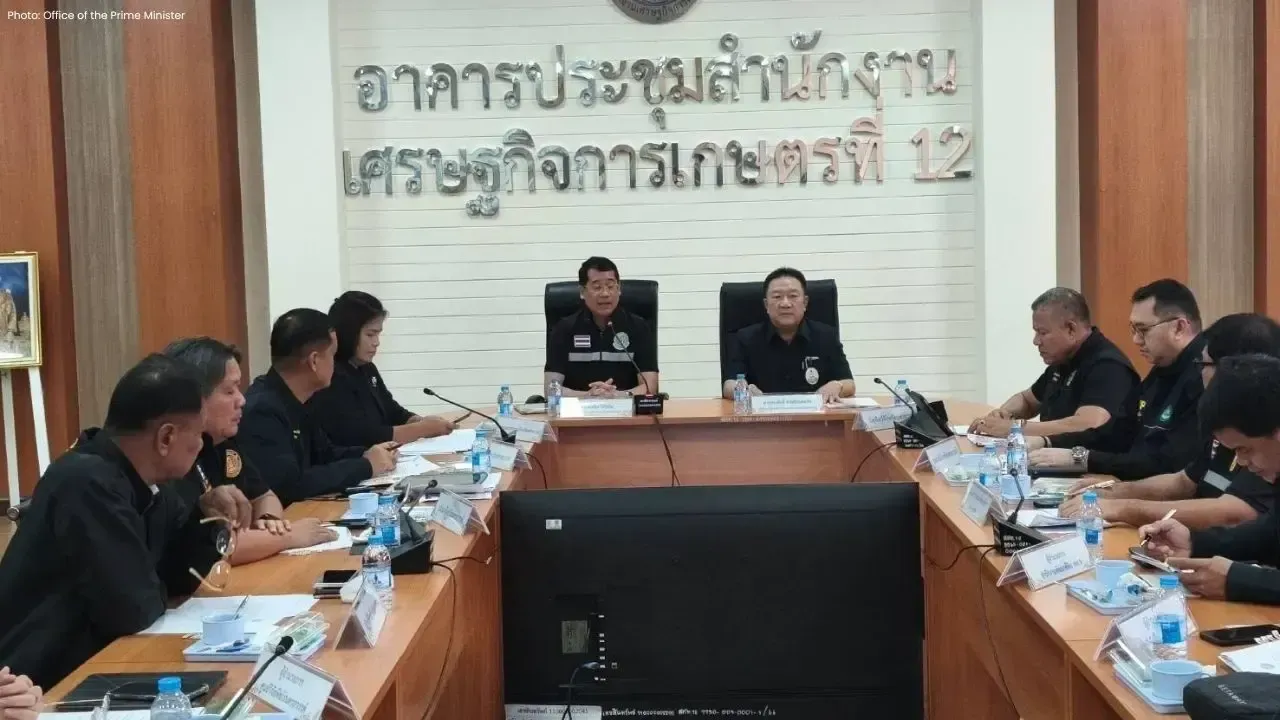
Thai Agriculture Team Reviews 2026 Farm Development Plans
Agriculture Ministry officials inspected livestock and organic rice projects in Nakhon Sawan to moni
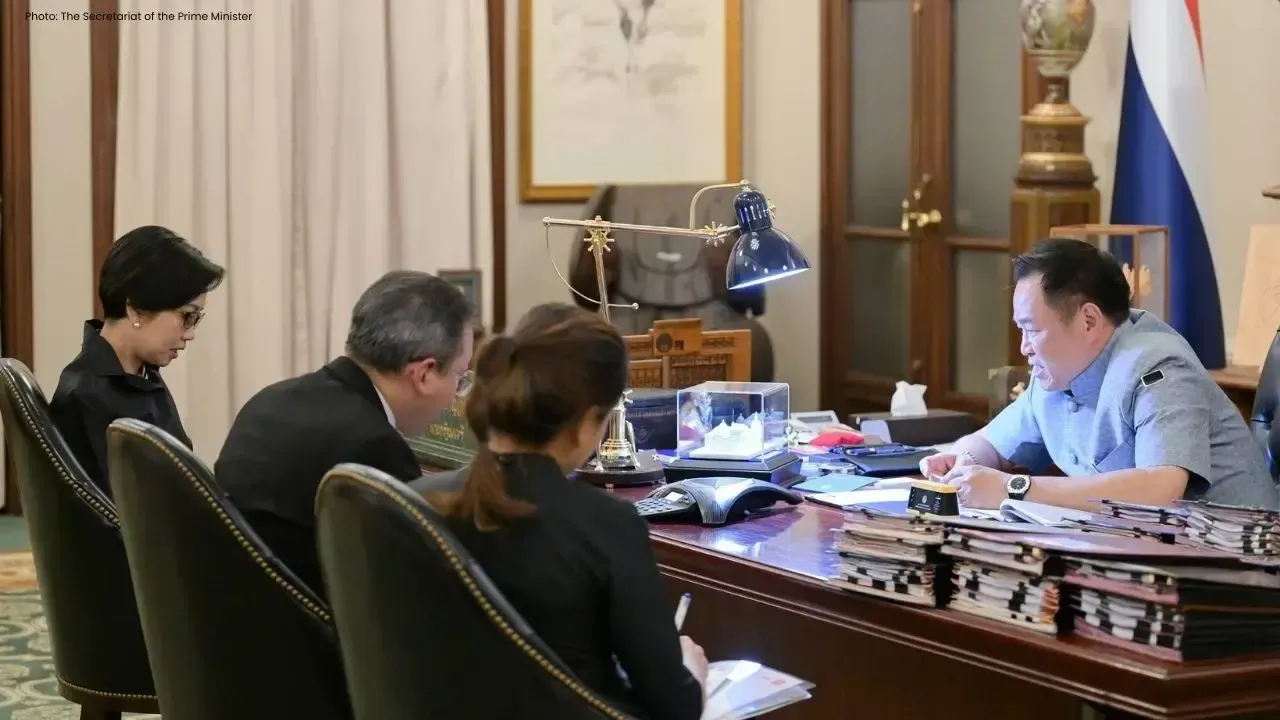
Thailand, Canada Boost Ties in PM-Level Phone Talks
Thailand and Canada agreed to strengthen trade, security, OECD cooperation and ASEAN-Canada FTA talk