You have not yet added any article to your bookmarks!
Join 10k+ people to get notified about new posts, news and tips.
Do not worry we don't spam!

Post by : Anis Farhan
Across Asia, conversations around mental health are shifting from taboo to mainstream. For decades, mental well-being was often ignored, misunderstood, or hidden behind cultural expectations. But today’s youth are breaking barriers, speaking openly about struggles with anxiety, depression, and burnout. The growing influence of social media, coupled with academic competition and societal pressure, has amplified these concerns. In modern Asia, where nearly 60% of the world’s youth live, the mental health conversation is not just important—it is urgent.
A decade ago, discussing mental health in many Asian societies was rare. Families often dismissed it as weakness, while schools and workplaces prioritized performance over well-being. However, global campaigns, celebrity advocacy, and the impact of the COVID-19 pandemic have accelerated awareness. Young people are increasingly turning to counseling, online therapy platforms, and peer support groups.
Governments are also responding. Japan, South Korea, India, and Singapore have all initiated mental health programs in schools and workplaces. While progress is uneven, the region is beginning to recognize that mental health is as critical as physical health.
For Asia’s youth, social media is both a lifeline and a source of pressure. Platforms like Instagram, TikTok, and Twitter provide communities where young people can share experiences, find solidarity, and spread awareness. Hashtags dedicated to mental health create safe spaces for conversations that were once silenced.
However, the downside is equally powerful. Online comparison, cyberbullying, and the pressure to present a “perfect life” contribute to rising anxiety levels. Studies show that prolonged screen time and social validation cycles affect self-esteem and sleep patterns. The challenge for modern Asia is learning how to embrace the positives of social media while minimizing its psychological risks.
Mental health conversations in Asia often clash with deeply ingrained cultural norms. In many societies, discussing depression or anxiety is seen as shameful, something that brings dishonor to the family. Youth are often pressured to conform to high academic and professional expectations, leaving little room for vulnerability.
For instance, in countries like South Korea and Japan, academic competition is intense, with students spending long hours in after-school academies. In India and China, family expectations often dictate career choices, adding to stress and identity struggles. Breaking free from these cultural barriers is difficult but essential if mental health is to be prioritized.
Despite the challenges, Asia’s youth are proving to be resilient. Many are finding healthy outlets through creative expression, sports, mindfulness practices, and activism. Traditional practices such as yoga, meditation, and martial arts are being reinterpreted as modern wellness tools.
Universities and schools are also beginning to implement wellness programs, focusing on mindfulness, stress management, and peer support networks. By creating safe spaces where youth can share experiences, resilience is being built not just individually but collectively.
Technology is both part of the problem and part of the solution. Across Asia, digital therapy platforms and mental health apps are becoming popular, especially among youth reluctant to seek traditional therapy due to stigma. AI chatbots, online support groups, and mindfulness apps provide anonymity and accessibility.
Countries like Singapore and India have invested in telehealth solutions that allow young people to consult mental health professionals remotely. This has proven vital in bridging the gap between awareness and actual support.
Schools and universities play a critical role in shaping the mental health of future generations. Increasingly, institutions in Asia are introducing counseling services, wellness clubs, and awareness programs. Educators are being trained to spot early signs of distress and encourage open conversations.
However, challenges remain. Many schools are underfunded, and mental health professionals are scarce, especially in rural areas. To truly address youth well-being, Asia will need systemic investment in education-based mental health support.
The mental health conversation in modern Asia is no longer avoidable. Youth are demanding change, challenging stigma, and building resilience in ways previous generations could not. Social media, technology, and education are key drivers of this transformation.
For Asia’s future, the challenge lies in balancing cultural traditions with the need for open dialogue. By normalizing mental health care, investing in education and digital solutions, and creating supportive communities, Asia can ensure its youth are not only resilient but also thriving.
This article has been written for Newsible Asia for informational and awareness purposes. It does not provide medical advice and should not replace consultation with qualified mental health professionals.








Australia 50/3 After Bangladesh Bowled Out for 64 in Second Test
Australia reached 50/3 after Bangladesh were bowled out for 64 in the second Test, with Mitchell Sta

Jordan Burroughs Returns to Wrestling with 2028 Olympic Dream
Jordan Burroughs returns to wrestling with Real American Freestyle as the Olympic champion eyes a po

Lamborghini Catches Fire on Singapore's ECP, Causing Heavy Traffic
A Lamborghini caught fire on Singapore's ECP, causing heavy traffic and bus delays. No injuries were

Bangkok Airport Duty-Free Area Flooded by Pipe Burst
A burst water pipe flooded the duty-free shopping area at Bangkok's Suvarnabhumi Airport on July 16,
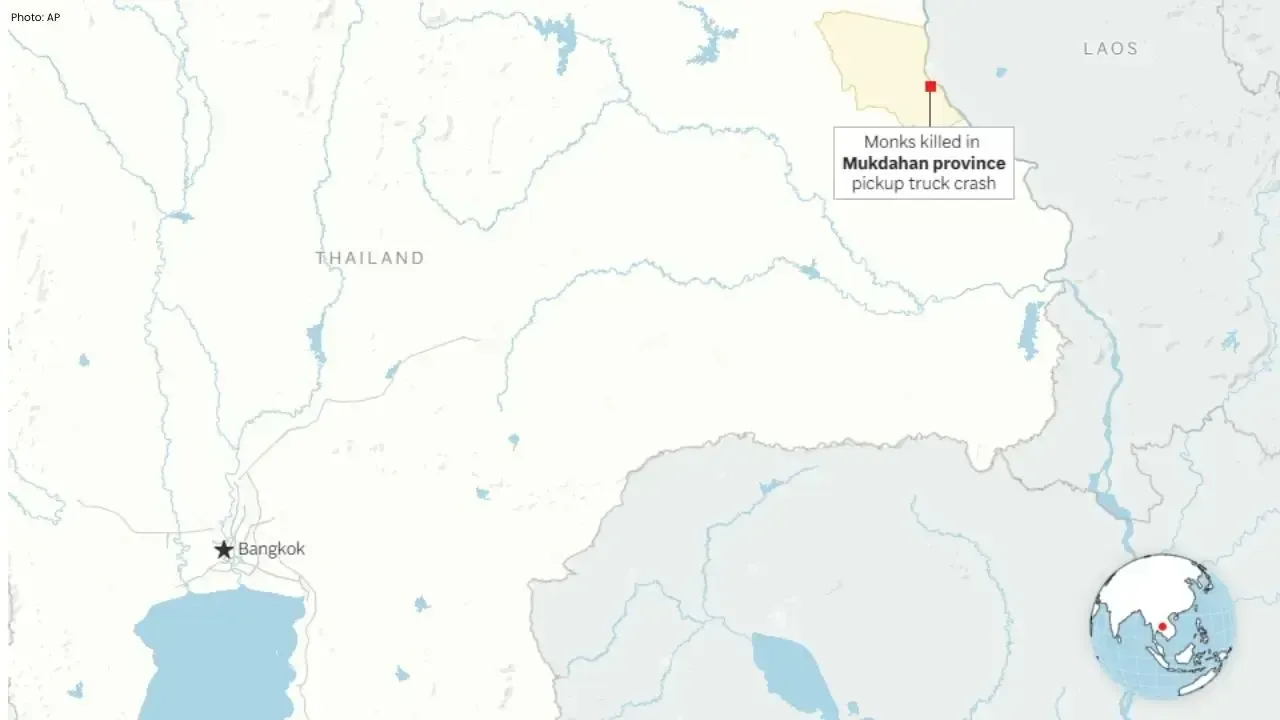
Nine Monks Killed in Thailand Pickup Truck Tragedy
An 11-year-old boy driving a pickup truck crashed into monks during a pilgrimage in northeastern Tha
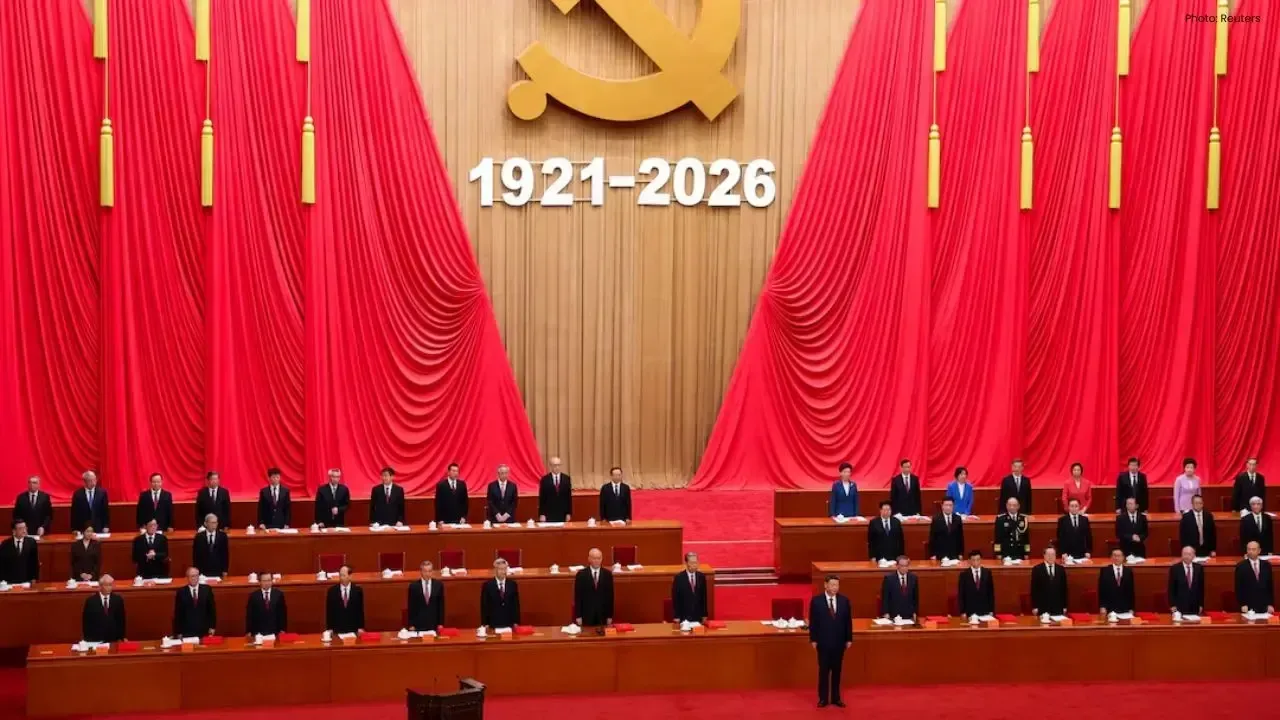
Anwar Congratulates Xi on CPC's 105th Anniversary
Malaysia reaffirms strong ties with China as PM Anwar Ibrahim sends a congratulatory letter to Presi