You have not yet added any article to your bookmarks!
Join 10k+ people to get notified about new posts, news and tips.
Do not worry we don't spam!
Post by : Saif Rahman
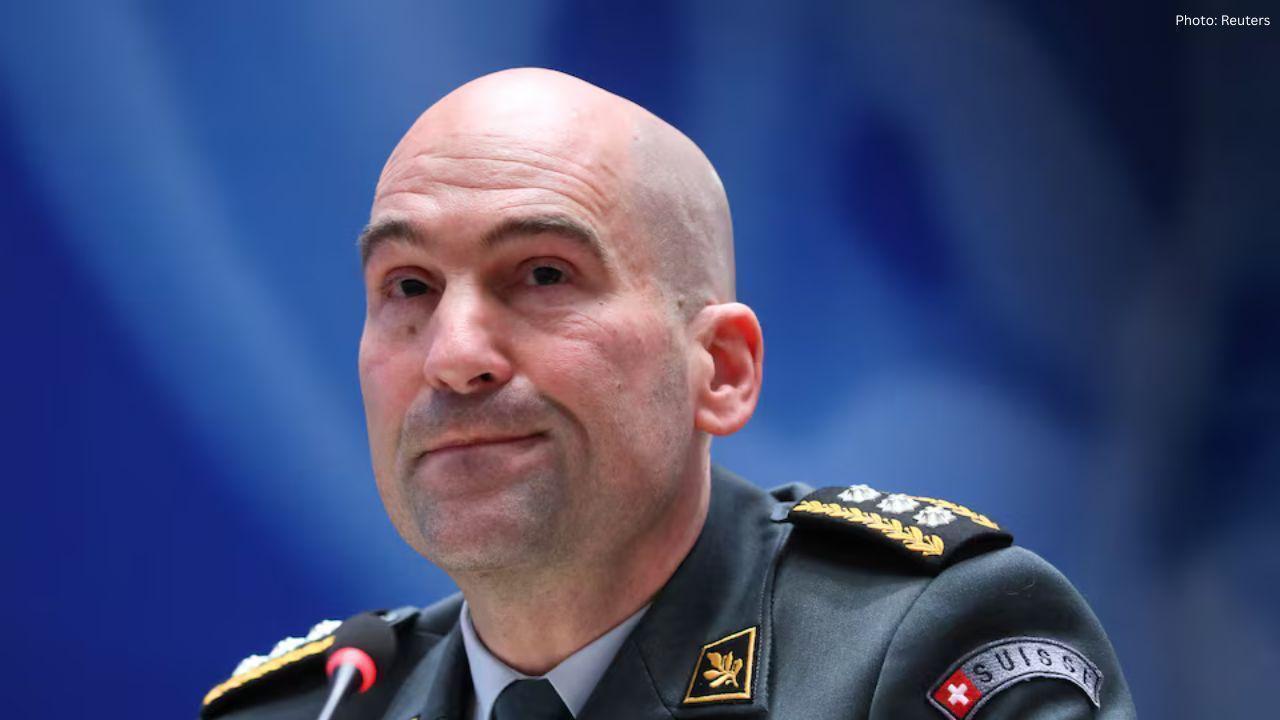
Switzerland, renowned for its long-standing neutrality, is receiving a stark warning from its military chief. The commander of the Swiss armed forces has stated that the nation is ill-prepared to defend itself against a full-scale military attack, igniting discussions on the need for increased defense expenditures in a transforming geopolitical landscape.
As Lieutenant General Thomas Suessli prepares to depart from his role, he conveyed these concerns in an interview with a local Swiss media outlet. While acknowledging readiness for smaller, less traditional threats like cyberattacks or sabotage from non-state actors, he expressed grave concerns about the country’s ability to handle a significant military onslaught from another nation.
Suessli highlighted critical deficiencies in both equipment and operational readiness, revealing that in a crisis situation, only about one-third of Swiss soldiers would be adequately prepared for combat. This reality raises alarms, especially in light of escalating security concerns across Europe, particularly after Russia's actions in Ukraine.
The Swiss government has begun to boost its defense budget, modernizing artillery systems, enhancing ground forces, and replacing older aircraft with the advanced F-35A jets from Lockheed Martin. However, these initiatives have not been without criticism regarding rising costs and the viability of intensive military spending amid strained public finances.
Suessli also questioned the prevailing assumption that Switzerland's neutrality offers adequate security. A historical perspective reveals that numerous neutral nations have been involved in conflicts due to unpreparedness for military threats.
“Neutrality is only meaningful if it can be protected,” Suessli asserted, emphasizing that without robust military capabilities, neutrality alone provides minimal safety.
Currently, Switzerland allocates approximately 0.7% of its GDP to defense. There's a commitment to gradually increase this figure to around 1% by 2032. Yet, this remains significantly lower than the 5% target established by NATO allies. According to Suessli, at the current trajectory, the Swiss military may not achieve full readiness until about 2050, which he deems inadequate given the urgency of present threats.
His cautionary message resonates as Europe encounters heightened tensions, cybersecurity challenges, and foreign interferences aimed at destabilizing the region. Suessli noted that Switzerland's geographical isolation from active conflict zones and its lack of recent military experience have made it challenging for the populace to fully grasp these risks.
The departing army chief's conclusion is unequivocal: Switzerland must accelerate its actions and enhance investments to safeguard its citizenry and preserve its neutrality amid a world fraught with uncertainty.




PSG Coach Luis Enrique Urges Players to Step Outside Comfort Zone
PSG coach Luis Enrique says players must leave their comfort zone and keep improving as the club tar

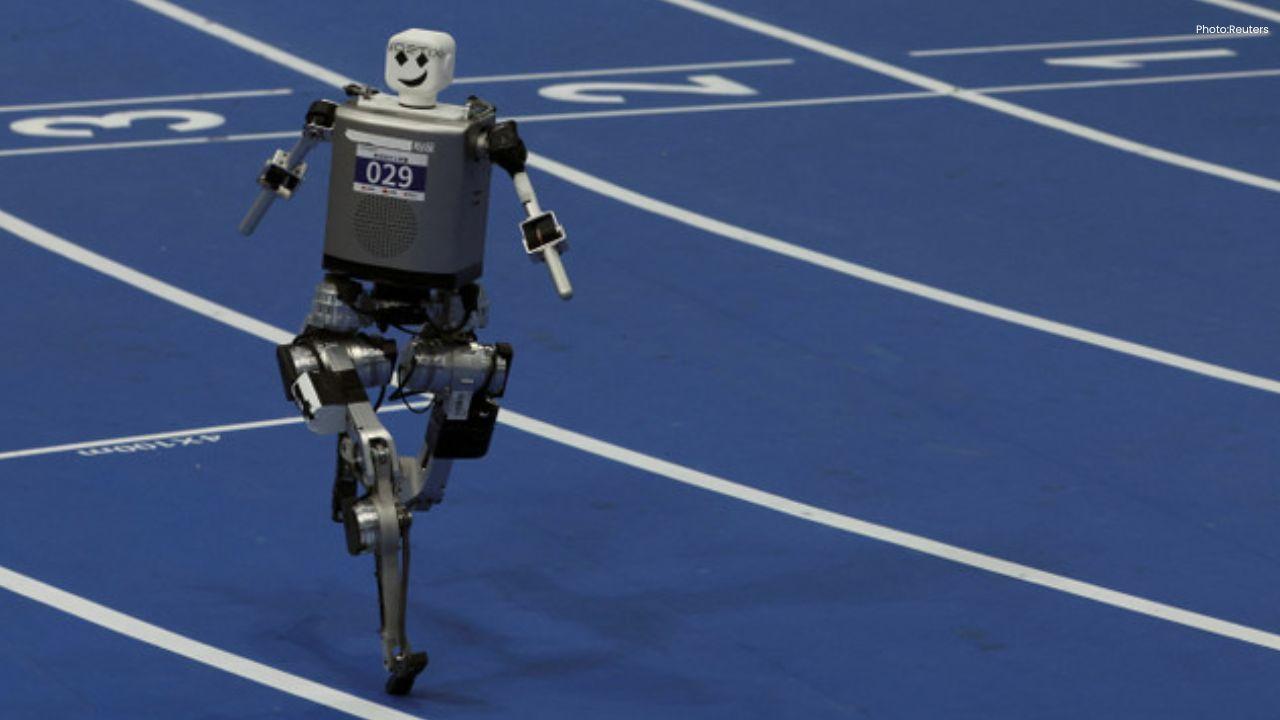
China’s Tiangong Sets New 400m Record at Robot Olympics
China’s Tiangong robot sets a new 400m record at the Robot Olympics, beating a South African robot i

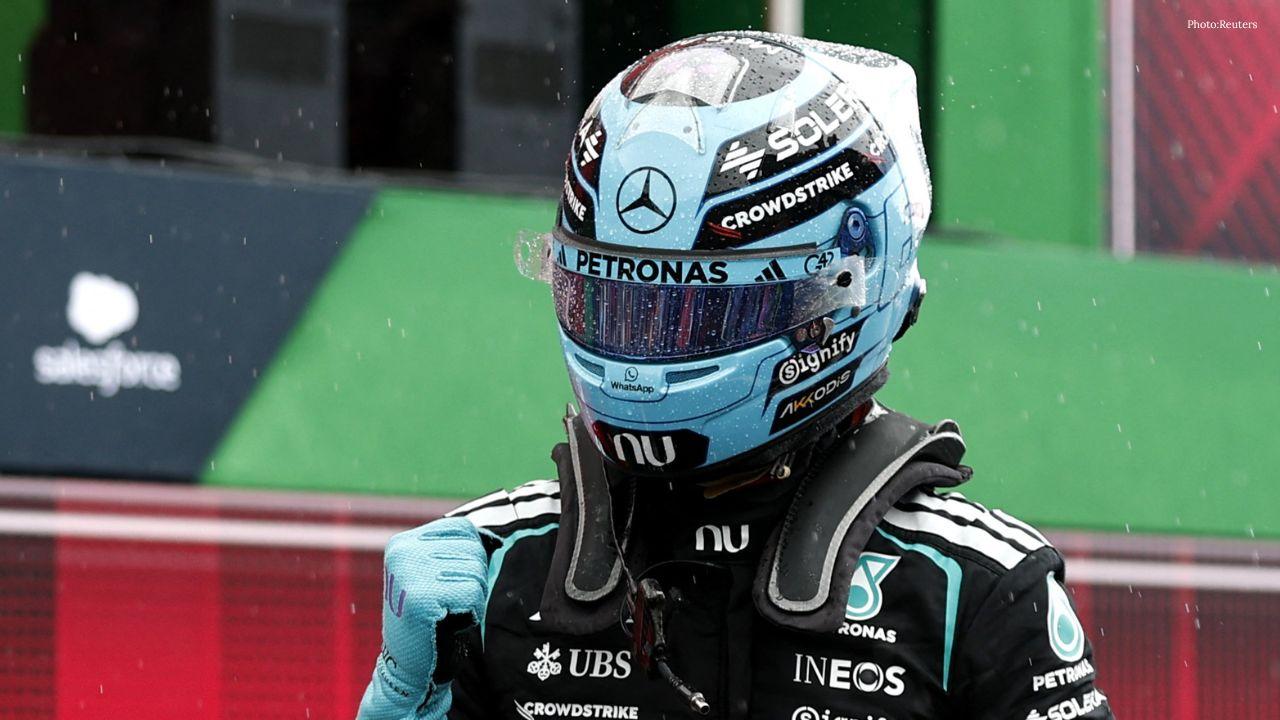
George Russell Wins Dutch GP Sprint, Boosts Mercedes Morale
George Russell wins the Dutch GP Sprint from pole as Mercedes teammate Kimi Antonelli extends his F1
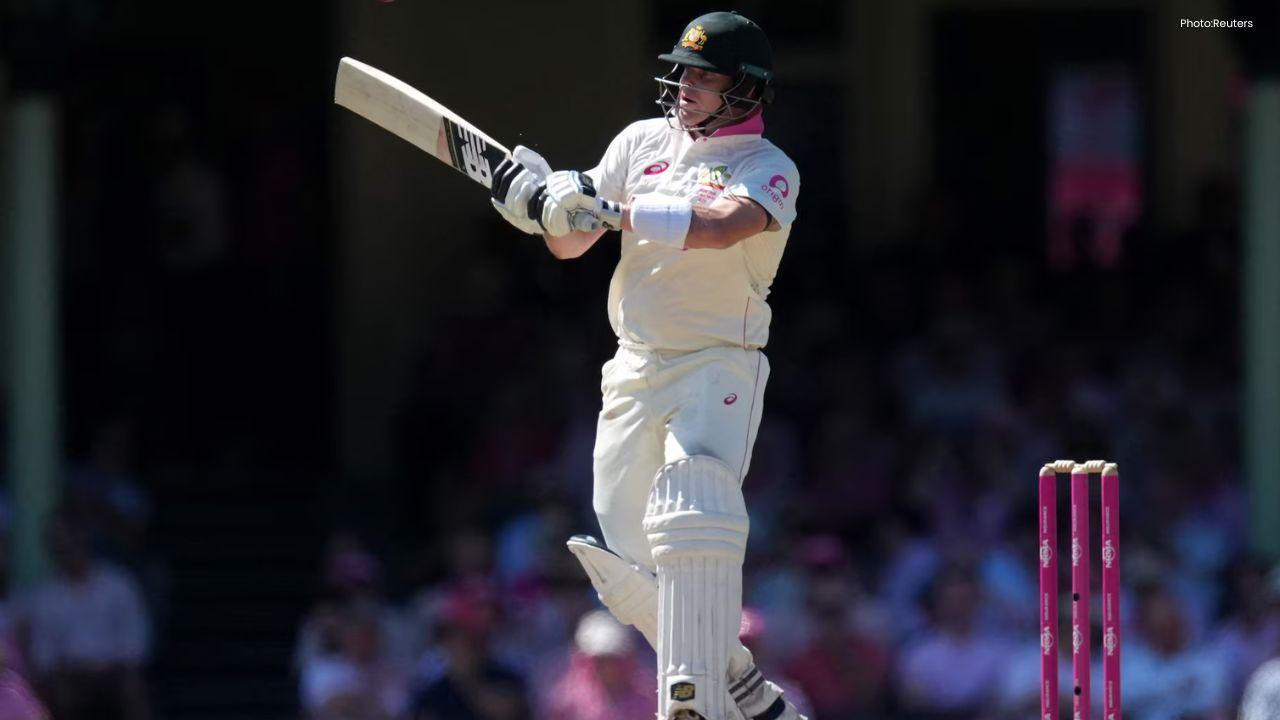
Australia 50/3 After Bangladesh Bowled Out for 64 in Second Test
Australia reached 50/3 after Bangladesh were bowled out for 64 in the second Test, with Mitchell Sta

Jordan Burroughs Returns to Wrestling with 2028 Olympic Dream
Jordan Burroughs returns to wrestling with Real American Freestyle as the Olympic champion eyes a po

Lamborghini Catches Fire on Singapore's ECP, Causing Heavy Traffic
A Lamborghini caught fire on Singapore's ECP, causing heavy traffic and bus delays. No injuries were