
You have not yet added any article to your bookmarks!
Join 10k+ people to get notified about new posts, news and tips.
Do not worry we don't spam!

Post by : Saif Rahman
The Securities and Exchange Board of India (SEBI) is currently engaged in a pivotal discussion regarding the public disclosure of financial assets and liabilities by its senior officials. This essential debate touches on critical themes of privacy and transparency, as it deeply influences public trust in the institutions responsible for safeguarding investors and the broader financial markets in India.
Originating from a special panel's recommendation earlier this year, the proposal suggests that high-ranking SEBI officials, including chief general managers, executive directors, and even the chairperson, should reveal their financial interests. The panel advocates that such disclosures aim to foster transparency and alleviate any suspicions of misconduct, strengthening the regulator's credibility and public confidence.
The impetus for this review arose after former chairperson Madhabi Puri Buch faced allegations of a conflict of interest concerning investments in offshore funds related to the Adani Group, as posited by Hindenburg Research. Although Buch and the Adani Group refuted these assertions, the controversy pressed SEBI to reassess the necessity of more robust internal protocols.
In addressing these matters, SEBI Chairman Tuhin Kanta Pandey acknowledged a significant concern: privacy. He noted that while officials are willing to share their financial disclosures with an independent office, many express reluctance to make this information publicly available, fearing it may jeopardize their families' safety. He emphasized that no other Indian governmental body mandates such public disclosures from its officers, rendering this proposal unique and potentially inequitable.
Pandey emphasized the need for a workable conflict-management system to mitigate any misuse of authority within SEBI's investigative and policymaking capacities. Nevertheless, the pivotal issue of whether asset information should be disclosed openly continues to present challenges.
SEBI's board is slated to discuss this proposal on December 17, with the final verdict hinging on balancing transparency and privacy concerns. If adopted, this could set a precedent for financial regulators throughout India, influencing similar institutions in the future.
Pandey also mentioned ongoing discussions about establishing a unified regulatory framework for various fund managers, including those handling mutual funds, portfolio management services, and alternative investment funds. This framework aims to enhance clarity and consistency across the market, alleviating compliance burdens on both companies and investors.
The ongoing discourse underscores a heightened demand for accountability within India's financial system, all while grappling with the challenge of formulating rules that protect public interests without encroaching on personal privacy. SEBI’s forthcoming decision will be scrutinized as it will reflect India’s approach to achieving a fair and responsible financial regulatory environment.
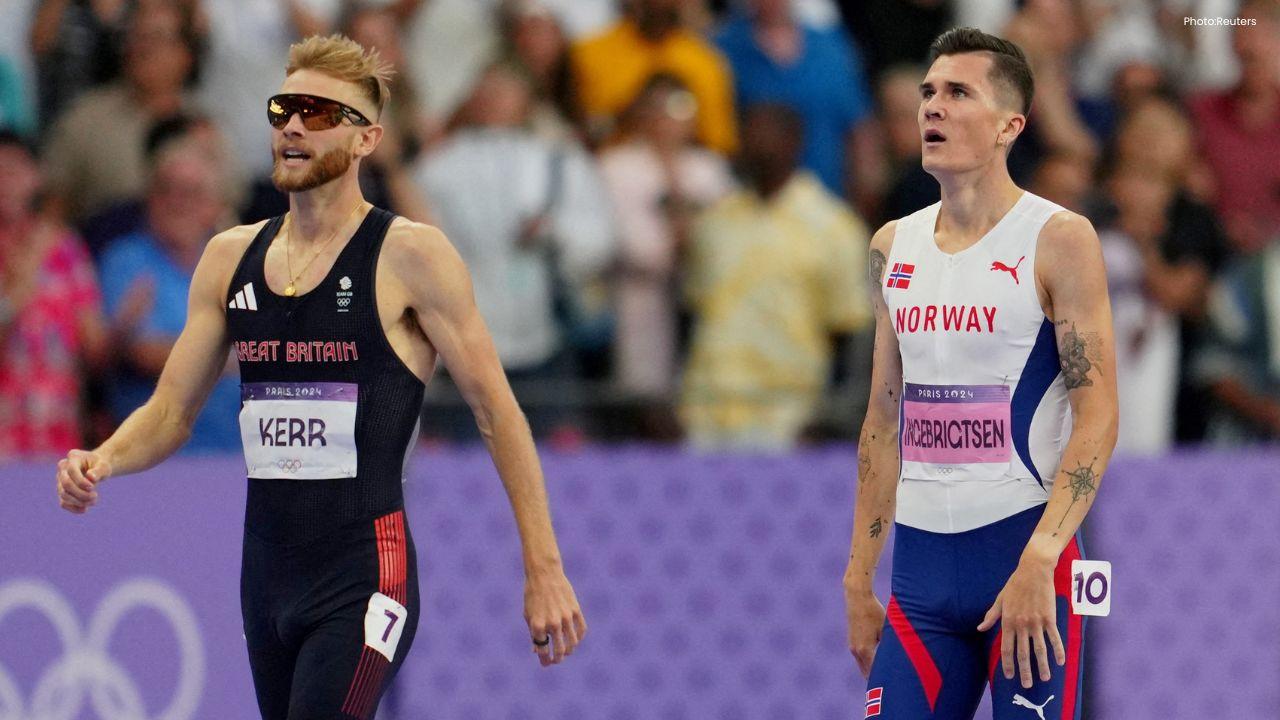





Josh Kerr and Jakob Ingebrigtsen Set for 1,500m Rivalry Rematch
Josh Kerr and Jakob Ingebrigtsen will renew their 1,500m rivalry at the Ultimate Championship in Bud

PSG Coach Luis Enrique Urges Players to Step Outside Comfort Zone
PSG coach Luis Enrique says players must leave their comfort zone and keep improving as the club tar

China’s Tiangong Sets New 400m Record at Robot Olympics
China’s Tiangong robot sets a new 400m record at the Robot Olympics, beating a South African robot i

George Russell Wins Dutch GP Sprint, Boosts Mercedes Morale
George Russell wins the Dutch GP Sprint from pole as Mercedes teammate Kimi Antonelli extends his F1

Australia 50/3 After Bangladesh Bowled Out for 64 in Second Test
Australia reached 50/3 after Bangladesh were bowled out for 64 in the second Test, with Mitchell Sta

Jordan Burroughs Returns to Wrestling with 2028 Olympic Dream
Jordan Burroughs returns to wrestling with Real American Freestyle as the Olympic champion eyes a po

