You have not yet added any article to your bookmarks!
Join 10k+ people to get notified about new posts, news and tips.
Do not worry we don't spam!
Post by : Samjeet Ariff
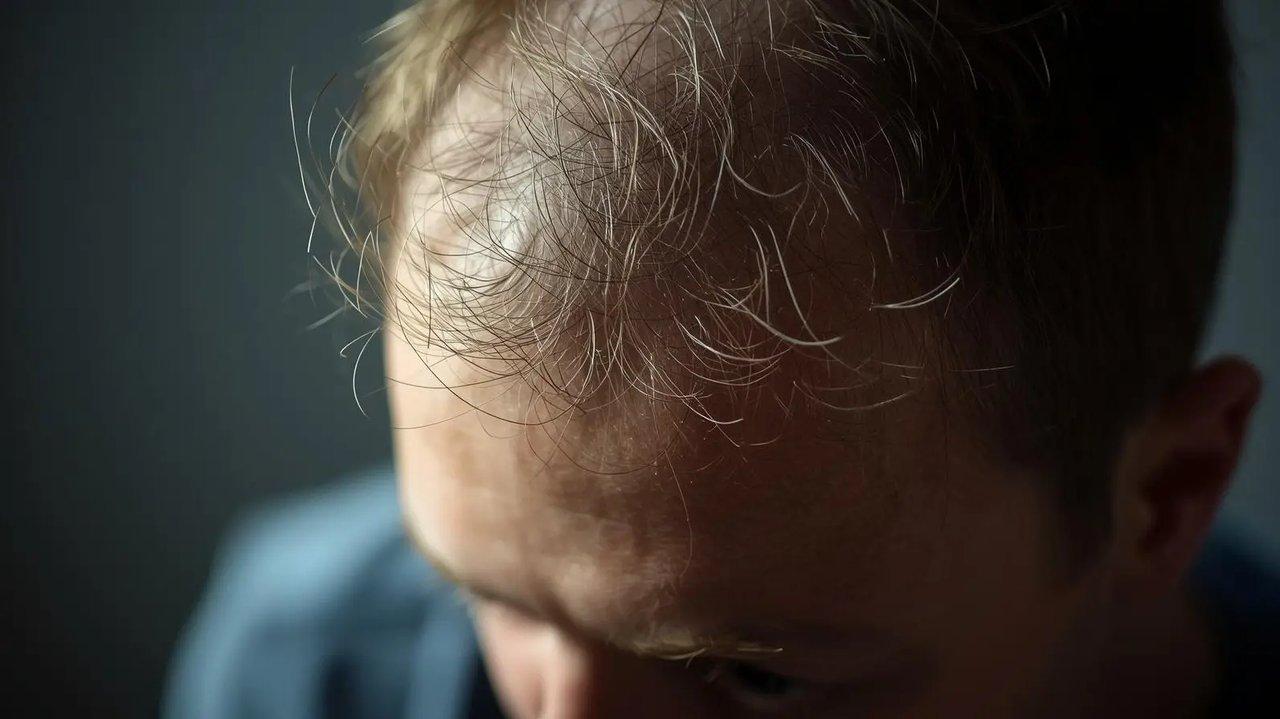
The problem of hair loss has evolved into a significant lifestyle health issue. In 2026, dermatologists and hair experts have observed a concerning trend: individuals in their 20s and 30s are experiencing hair thinning and excessive shedding earlier than past generations. This surge can be attributed to multiple intertwined factors: chronic stress, poor dietary habits, and excessive screen exposure.
This article examines how these three modern stressors intricately connect, adversely affecting hair health, and offers realistic strategies to mitigate hair loss in today’s digital-centric era.
Hair growth relies on a subtle balance of hormones, nutrients, blood flow, and nervous health. However, in 2026, this balance is consistently challenged.
Typical modern lifestyle factors include:
Lengthy working hours
Heightened mental stress
Processed meals and meal skipping
Continuous screen time
Inconsistent sleep patterns
Hair follicles are extremely sensitive, and during prolonged stress, hair growth takes a backseat.
To fully understand hair loss, it’s vital to learn about hair growth.
Anagen phase: Active growth lasting several years
Catagen phase: Brief transition phase
Telogen phase: Resting period when hair falls out
Increased stress, nutritional deficiencies, and hormonal imbalances propel more hair into the telogen phase, causing telogen effluvium, a prevalent form of hair loss today.
Stress is a leading cause of immediate and long-lasting hair loss.
Elevates cortisol levels
Decreases blood supply to the scalp
Disrupts the delivery of nutrients
Causes inflammation around hair follicles
High cortisol levels shorten the growth phase and prompt premature shedding.
Job-related pressure and deadlines
Financial worries
Emotional stress and burnout
Poor work-life boundaries
Hair loss often appears 2–3 months after stressful events, making it hard to recognize.
Many consumers consume adequate calories but miss out on vital nutrients.
Heavy reliance on processed foods
Insufficient protein intake
Frequent meal omissions
High sugar and refined carb consumption
As hair is primarily made of keratin, a protein, a balanced intake of vitamins and minerals is crucial for healthy growth.
Protein vital for hair structure
Iron necessary for oxygen transport to follicles
Zinc essential for follicle repair
Biotin and B vitamins necessary for fostering growth
Omega-3 fats beneficial for scalp health
Nutritional deficiencies might not trigger immediate hair loss but can weaken hair gradually.
Erratic eating patterns and sugary diets lead to insulin surges.
Increases inflammation
Disrupts hormonal stability
Weakens hair roots
Regular blood sugar drops can lead to exhaustion, stress, and hair thinning.
Excessive screen time influences hair health in surprising ways.
Increases mental strain
Impairs sleep quality
Reduces physical activity
Causes poor posture and circulation issues in the scalp
Using screens late at night suppresses melatonin, a hormone that not only impacts sleep but also plays a role in hair growth regulation.
Repair of hair occurs during deep sleep.
Delays melatonin production
Interrupts deep sleep cycles
Compromises overnight recovery
Poor sleep translates to inadequate follicle repair, resulting in weaker regrowth and greater shedding.
Screen-dominated lifestyles hinder digestion efficiency.
Poor gut health decreases nutrient absorption
Poor circulation limits nourishment to the scalp
A nutritious diet fails to help hair if absorption and digestion are impaired.
These three aspects feed into one another.
Stress increases reliance on screens
Screen usage disturbs sleep
Poor sleep escalates stress
Stress leads to unhealthy food choices
Poor diet elevates fatigue and hair loss
Breaking even one element of this cycle can significantly enhance hair health.
Sudden increase in hair shedding
Thinning ponytails or wider parts
Hair loss post stressful situations
Dry, dull, lackluster hair
No genetic predisposition to early hair loss
Lifestyle-related hair loss is typically reversible if caught early.
Take short walks daily
Practice breathing exercises
Limit notifications
Set work-life boundaries
Lower cortisol levels directly positively influence hair regrowth.
Incorporate protein into every meal
Avoid long intervals between meals
Include more fruits, vegetables, nuts, and seeds
Consistency is more vital than perfection.
Avoid screens an hour before bedtime
Activate night mode after dark
Take hourly breaks from screens
Improved sleep quality equals improved hair recovery.
Expensive hair products cannot rectify internal imbalances.
Gently massaging to enhance circulation
Avoiding harsh chemical treatments
Maintaining a clean but not overly washed scalp
A healthy scalp environment encourages stronger follicles.
Visit a professional if:
Hair loss persists for over 3–4 months
Patchy hair loss occurs
Sudden, severe hair fall happens
Other symptoms like fatigue or weight changes appear
Early diagnosis is crucial in preventing long-term consequences.
In 2026, hair care transcends basic oils and shampoos. It prioritizes stress management, nutritional balance, and mindful screen usage. The state of hair often reflects an individual's overall health much more transparently than expected.
Hair loss often signals your body’s initial alarm. When stress is unaddressed, diets fluctuate, and screens dominate daily activities, hair suffers first. The silver lining is that lifestyle-induced hair loss is one of the most reversible hair issues when approached with mindfulness and consistency.
Healthy hair begins with a well-balanced life.
This article serves informational purposes and does not replace medical advice. Causes and treatments of hair loss vary based on genetics, health status, and lifestyle factors. For persistent or significant hair loss, consult a qualified dermatologist for accurate diagnosis and treatment.







PSG Coach Luis Enrique Urges Players to Step Outside Comfort Zone
PSG coach Luis Enrique says players must leave their comfort zone and keep improving as the club tar

China’s Tiangong Sets New 400m Record at Robot Olympics
China’s Tiangong robot sets a new 400m record at the Robot Olympics, beating a South African robot i

George Russell Wins Dutch GP Sprint, Boosts Mercedes Morale
George Russell wins the Dutch GP Sprint from pole as Mercedes teammate Kimi Antonelli extends his F1

Australia 50/3 After Bangladesh Bowled Out for 64 in Second Test
Australia reached 50/3 after Bangladesh were bowled out for 64 in the second Test, with Mitchell Sta

Jordan Burroughs Returns to Wrestling with 2028 Olympic Dream
Jordan Burroughs returns to wrestling with Real American Freestyle as the Olympic champion eyes a po

Lamborghini Catches Fire on Singapore's ECP, Causing Heavy Traffic
A Lamborghini caught fire on Singapore's ECP, causing heavy traffic and bus delays. No injuries were