You have not yet added any article to your bookmarks!
Join 10k+ people to get notified about new posts, news and tips.
Do not worry we don't spam!
Post by : Laxmi Verma
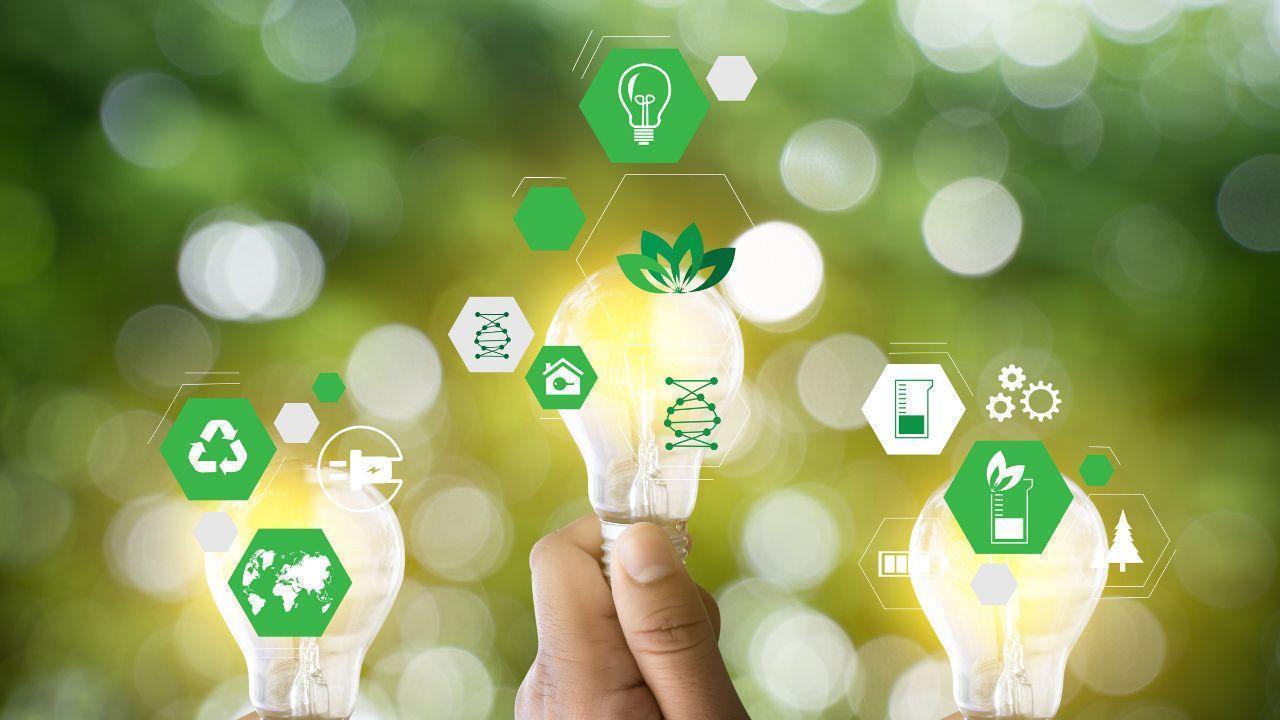
In a world increasingly conscious of climate change, pollution, and sustainability, Revolutionizing Waste Management with Green Innovation has never been more urgent—or more exciting. The waste crisis has reached global proportions, but thanks to advancements in green technology, we now have powerful tools to tackle it head-on. From smart bins to AI-powered recycling, green innovation is transforming the way we handle waste—and it’s paving the way for a cleaner, healthier planet.
Let’s explore how these forward-thinking solutions are reshaping waste systems worldwide and what it means for our future.
Every year, the world generates over 2 billion tons of solid waste—a number expected to grow by 70% by 2050 if current trends continue. Most of this waste ends up in landfills or the ocean, polluting ecosystems and contributing to greenhouse gas emissions. Traditional waste management systems are struggling to keep up, relying heavily on outdated methods like incineration or poorly regulated dumping.
This is where Revolutionizing Waste Management with Green Innovation becomes more than just a buzz phrase—it’s a necessity.
Green innovation refers to the development and implementation of eco-friendly technologies and practices aimed at reducing the environmental impact of waste. This includes:
These innovations not only improve efficiency but also reduce costs and help divert waste away from landfills.
Cities around the globe are now implementing IoT-powered waste bins that can detect how full they are, optimize collection routes, and even alert sanitation teams when attention is needed. These smart systems drastically reduce unnecessary fuel consumption and labor costs, while also keeping streets cleaner.
For example, cities like Barcelona and San Francisco have adopted smart waste bins that use sensors and real-time data to improve waste collection. It’s an excellent illustration of how Revolutionizing Waste Management with Green Innovation is not just about recycling—it's about creating intelligent systems that prevent waste from piling up in the first place.
Another game-changer in green innovation is the circular economy model, which aims to eliminate waste by keeping materials in use for as long as possible. In this system, products are designed for reuse, refurbishment, or recycling, creating a closed-loop that minimizes waste and resource consumption.
Companies like Patagonia and IKEA are leading the way by designing products with circularity in mind. This shift is inspiring a new generation of eco-conscious businesses—and consumers—to think beyond the trash can.
Sorting waste has always been labor-intensive and inefficient. But now, artificial intelligence (AI) and robotics are making it faster, smarter, and more accurate. AI-powered sorting machines can identify and separate different materials—plastics, glass, metals—with near-perfect precision.
Startups and large-scale facilities alike are investing in machine learning algorithms that improve over time, reducing contamination and increasing recycling rates. This is a critical part of Revolutionizing Waste Management with Green Innovation, as it helps close the loop and reduce our dependency on raw materials.
Not all waste can be recycled, but even that has value. Waste-to-energy (WTE) technologies convert non-recyclable waste into usable energy—electricity, heat, or fuel. Modern WTE plants are significantly cleaner than traditional incinerators and offer a practical solution for managing residual waste.
Countries like Sweden have become pioneers in this area, using WTE to power entire neighborhoods. They even import waste from other countries to keep their plants running—an impressive testament to the power of green tech.
Governments and private sectors are starting to realize the economic and environmental benefits of investing in green waste technology. Innovations are being backed by policies, incentives, and funding to ensure their adoption on a global scale.
From Asia to Africa, Revolutionizing Waste Management with Green Innovation is empowering communities, creating jobs, and reducing pollution. Developing nations, in particular, stand to benefit by leapfrogging old infrastructure and adopting sustainable waste practices from the start.
Of course, there are challenges—high initial costs, lack of infrastructure, and public awareness remain barriers. However, with continued research, government backing, and consumer education, these hurdles are gradually being overcome.
The future looks promising. Expect to see more AI integration, blockchain for waste tracking, and zero-waste cities becoming the new standard.
This article is for informational purposes only. The content provided does not constitute professional or environmental advice. Readers are encouraged to conduct their own research or consult with a certified environmental expert before making any decisions related to waste management or green technology.







Lamborghini Catches Fire on Singapore's ECP, Causing Heavy Traffic
A Lamborghini caught fire on Singapore's ECP, causing heavy traffic and bus delays. No injuries were

Bangkok Airport Duty-Free Area Flooded by Pipe Burst
A burst water pipe flooded the duty-free shopping area at Bangkok's Suvarnabhumi Airport on July 16,
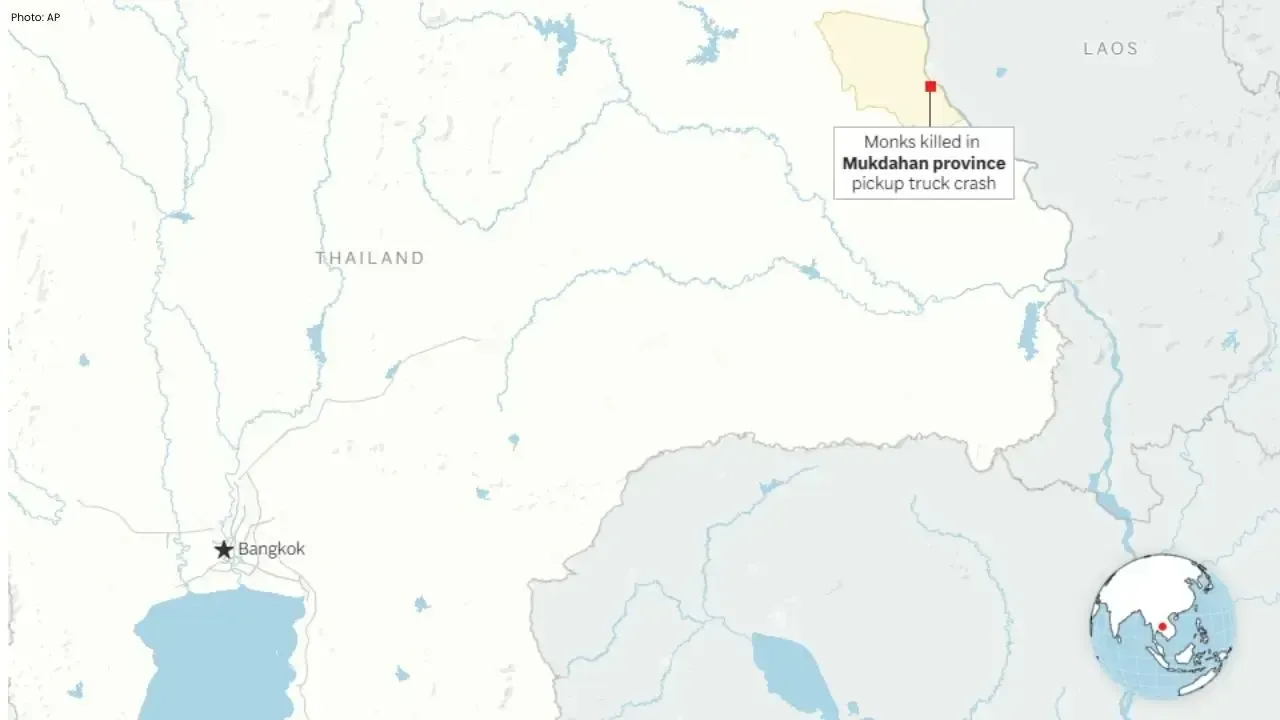
Nine Monks Killed in Thailand Pickup Truck Tragedy
An 11-year-old boy driving a pickup truck crashed into monks during a pilgrimage in northeastern Tha
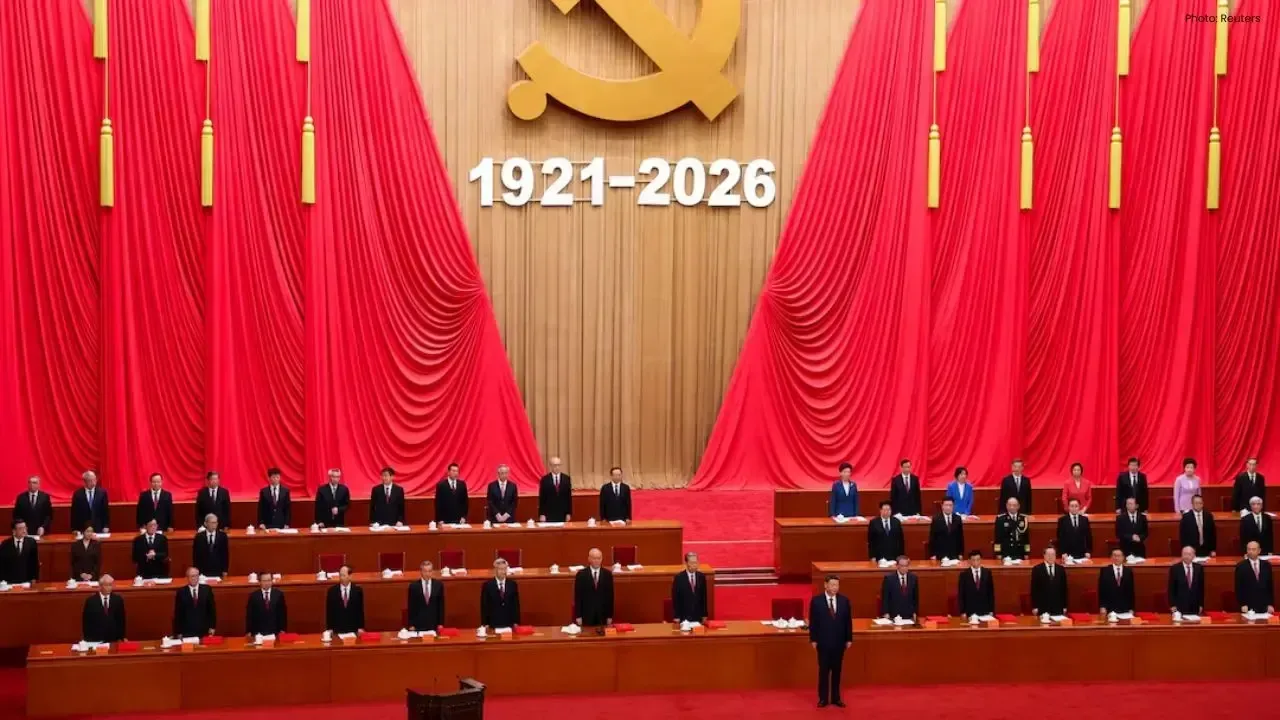
Anwar Congratulates Xi on CPC's 105th Anniversary
Malaysia reaffirms strong ties with China as PM Anwar Ibrahim sends a congratulatory letter to Presi
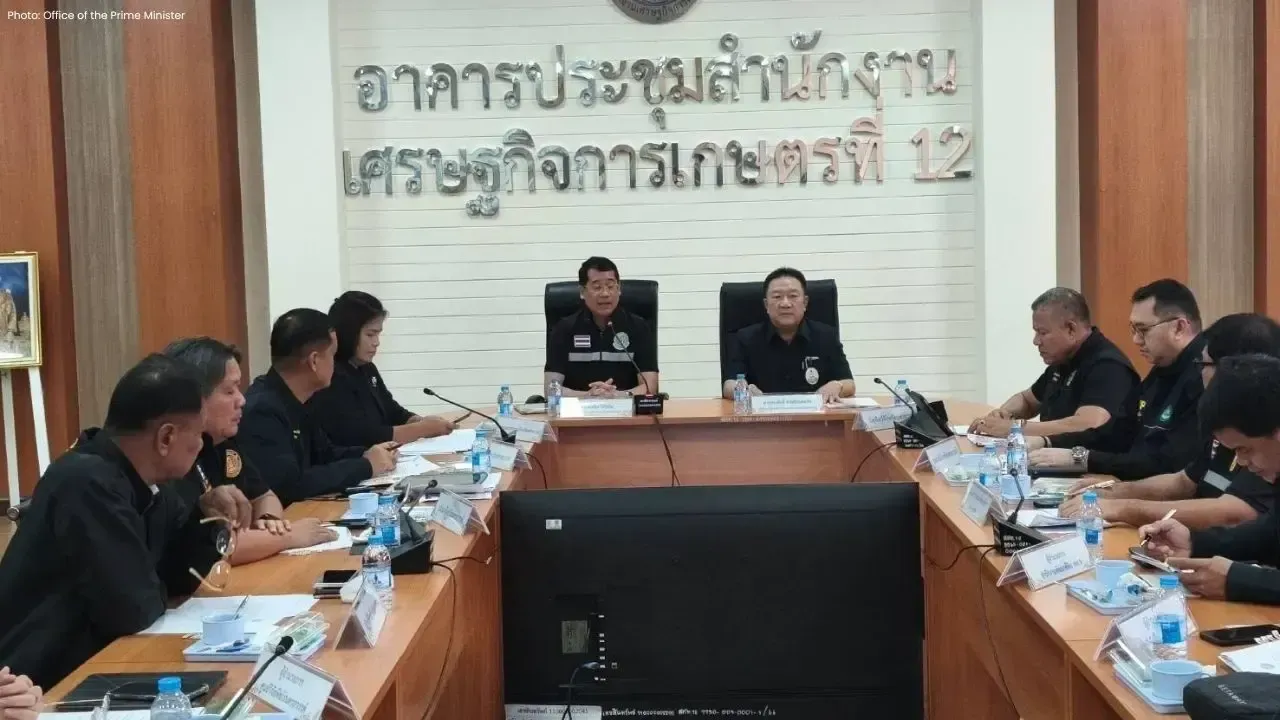
Thai Agriculture Team Reviews 2026 Farm Development Plans
Agriculture Ministry officials inspected livestock and organic rice projects in Nakhon Sawan to moni

Thailand, Canada Boost Ties in PM-Level Phone Talks
Thailand and Canada agreed to strengthen trade, security, OECD cooperation and ASEAN-Canada FTA talk