You have not yet added any article to your bookmarks!
Join 10k+ people to get notified about new posts, news and tips.
Do not worry we don't spam!
Post by : Anis Farhan
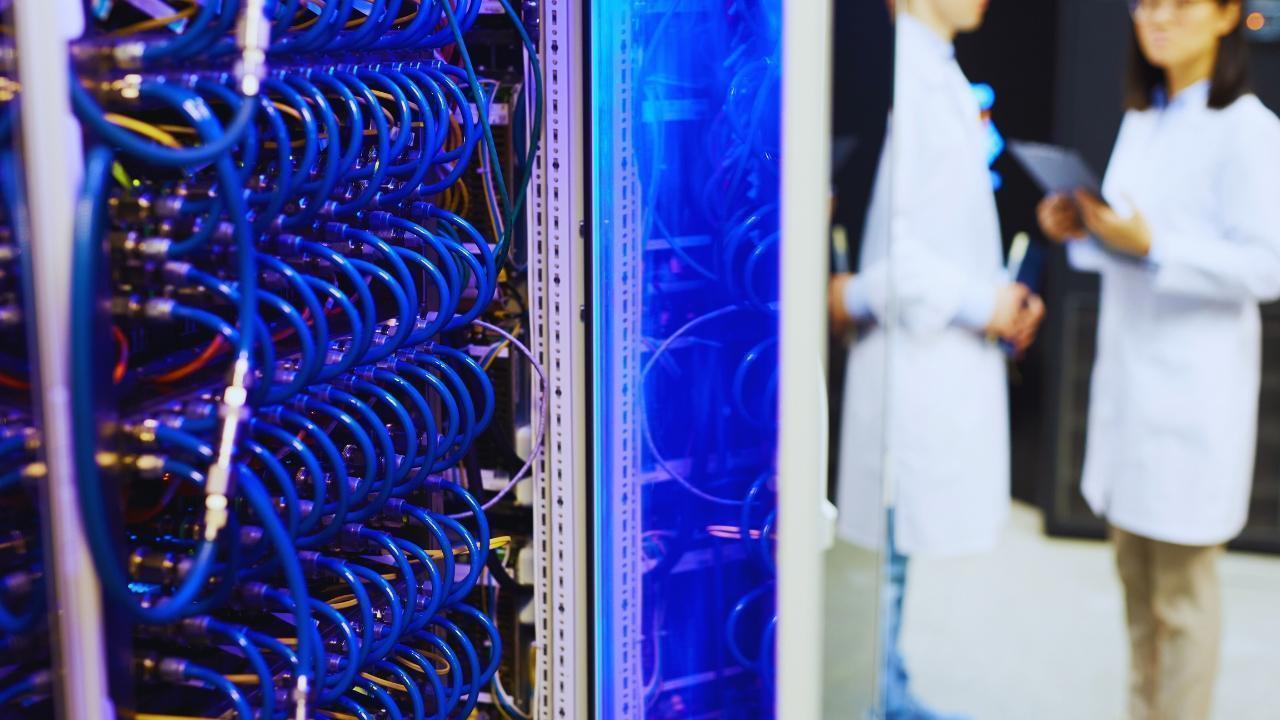
In 2025, Asia has firmly placed itself at the forefront of global scientific innovation, particularly in the realm of quantum technology and supercomputing. Countries such as China, Japan, India, and South Korea are no longer simply competing with the West but are setting new standards in technological progress. These advancements are not just about faster machines but about redefining what science, medicine, and industry can achieve in the coming decades. The region is proving that investment in research, coupled with visionary policies, can accelerate breakthroughs that once seemed impossible.
China continues to lead the race in quantum research. Building on its achievements in quantum satellites and ultra-secure communication, 2025 has seen the unveiling of next-generation quantum networks that stretch across major cities. These networks are designed to provide unmatched encryption, making them vital for national security, financial systems, and sensitive communication. Alongside communication, China’s universities and research institutes are also advancing in quantum processors capable of solving problems far beyond the reach of classical supercomputers.
This rapid progress highlights China’s ambition to establish global dominance in emerging technologies. For Beijing, these advancements serve not only as a scientific triumph but also as a strategic advantage in shaping international standards and alliances.
Japan, with its long history of precision engineering and computing, is taking a more balanced approach to supercomputing and quantum research. In 2025, Japan’s latest supercomputers are being used to address real-world challenges, from climate change simulations to drug discovery. These systems, designed with energy efficiency in mind, underline Japan’s leadership in sustainable technology.
At the same time, Japanese companies and universities are investing in hybrid systems that combine classical supercomputers with early-stage quantum machines. This approach ensures immediate benefits while laying the groundwork for future breakthroughs. It reflects Japan’s philosophy of integrating cutting-edge science with practical, everyday applications.
India is emerging as a formidable player in supercomputing, driven by its national mission to harness high-performance computing for economic and societal benefits. In 2025, India’s newly launched supercomputers are being deployed in agriculture, healthcare, and weather prediction. For a country heavily reliant on monsoons, the ability to predict rainfall patterns with greater accuracy is already transforming rural livelihoods.
India is also investing in quantum computing research. Several public-private collaborations are underway, focusing on building scalable quantum processors. Though India may not yet match China or Japan in scale, its emphasis on open innovation and global partnerships is carving a unique niche. By prioritizing accessibility, India ensures that advanced computing benefits reach beyond elite institutions to grassroots-level industries and communities.
South Korea is leveraging its global strength in semiconductors and digital technology to become a hub for supercomputing and quantum innovation. In 2025, the country unveiled its most powerful supercomputer yet, primarily aimed at advancing artificial intelligence. This machine is not only a tool for academic research but is directly linked to industries such as robotics, healthcare, and smart manufacturing.
On the quantum side, South Korea is making strides in hardware design. By focusing on improving the stability of quantum bits, it aims to overcome one of the field’s biggest challenges: error correction. Success in this area would give South Korea an edge in building practical, commercially viable quantum systems.
The competition in quantum and supercomputing is intense, but it is also fostering cooperation. Asia’s advancements are pushing Europe and the United States to accelerate their efforts, creating a dynamic environment of collaboration and rivalry. In 2025, international summits and partnerships are becoming common, with shared projects ranging from space exploration to medical research.
At the same time, questions about ethics, security, and control are being raised. The ability of quantum systems to break conventional encryption could destabilize global cybersecurity frameworks. Likewise, the immense power of supercomputers brings concerns about who has access to such tools and how they are used. Balancing innovation with responsibility will define the next phase of technological progress.
The commercial implications of Asia’s supercomputing and quantum milestones are profound. Industries ranging from pharmaceuticals to aerospace are already benefiting from faster modeling and simulation. Financial institutions are preparing for a world where quantum algorithms may revolutionize trading and risk assessment. Even entertainment sectors, such as gaming and film production, are seeing potential in using advanced computing to create hyper-realistic experiences.
By aligning scientific breakthroughs with economic goals, Asian nations are positioning themselves as global leaders in both innovation and application. This dual focus ensures that advancements are not confined to labs but are actively shaping markets and daily life.
Asia’s progress in quantum and supercomputing is also driving investments in education. Universities are launching specialized programs to train the next generation of scientists and engineers. By 2025, several Asian countries have integrated quantum computing basics into their STEM curricula, ensuring that students graduate with exposure to frontier technologies.
This emphasis on talent development highlights a long-term strategy: innovation is not only about machines but about people. With a skilled workforce, Asia is preparing itself to sustain leadership in a field where knowledge evolves rapidly.
The year 2025 is shaping up to be a defining moment for Asia’s scientific rise. With quantum and supercomputing at its core, the region is setting a trajectory that could alter global technological power dynamics. While challenges remain—such as cost, accessibility, and security—the momentum is undeniable.
For ordinary citizens, the impact of these milestones may not always be visible, but over time, they will transform everything from healthcare treatments to how economies function. Asia’s investments today are laying the foundation for a future where science and society are more deeply interconnected than ever before.
The views expressed in this article are based on current developments and projections in 2025. They aim to provide insights into technological trends and their global impact.










Lamborghini Catches Fire on Singapore's ECP, Causing Heavy Traffic
A Lamborghini caught fire on Singapore's ECP, causing heavy traffic and bus delays. No injuries were

Bangkok Airport Duty-Free Area Flooded by Pipe Burst
A burst water pipe flooded the duty-free shopping area at Bangkok's Suvarnabhumi Airport on July 16,
Nine Monks Killed in Thailand Pickup Truck Tragedy
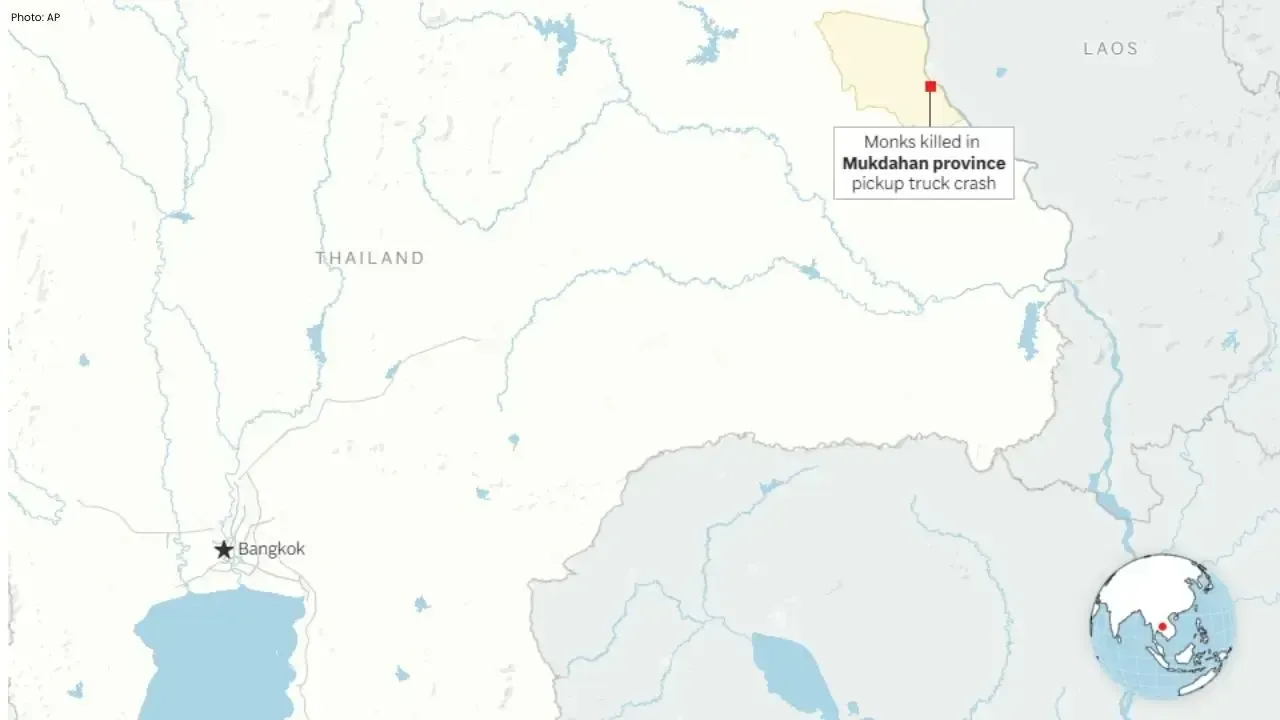
An 11-year-old boy driving a pickup truck crashed into monks during a pilgrimage in northeastern Tha
Anwar Congratulates Xi on CPC's 105th Anniversary
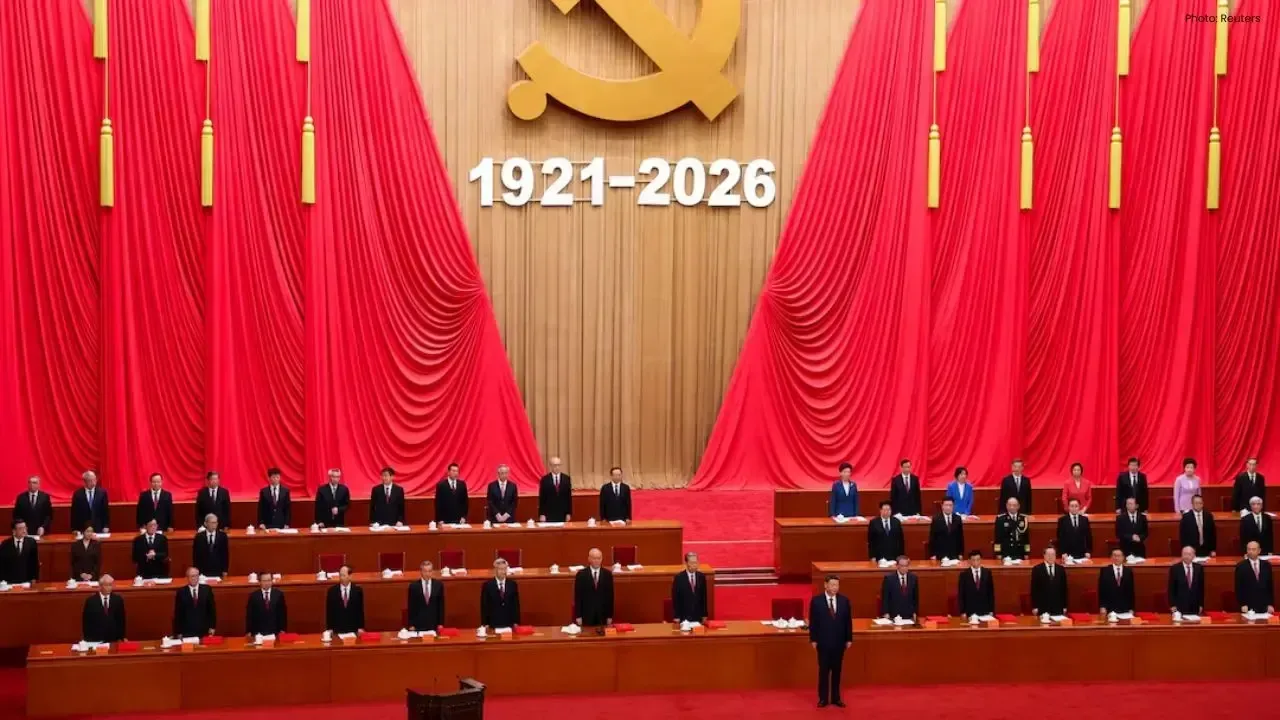
Malaysia reaffirms strong ties with China as PM Anwar Ibrahim sends a congratulatory letter to Presi

Thai Agriculture Team Reviews 2026 Farm Development Plans
Agriculture Ministry officials inspected livestock and organic rice projects in Nakhon Sawan to moni

Thailand, Canada Boost Ties in PM-Level Phone Talks
Thailand and Canada agreed to strengthen trade, security, OECD cooperation and ASEAN-Canada FTA talk