You have not yet added any article to your bookmarks!
Join 10k+ people to get notified about new posts, news and tips.
Do not worry we don't spam!
Post by : Meena Ariff
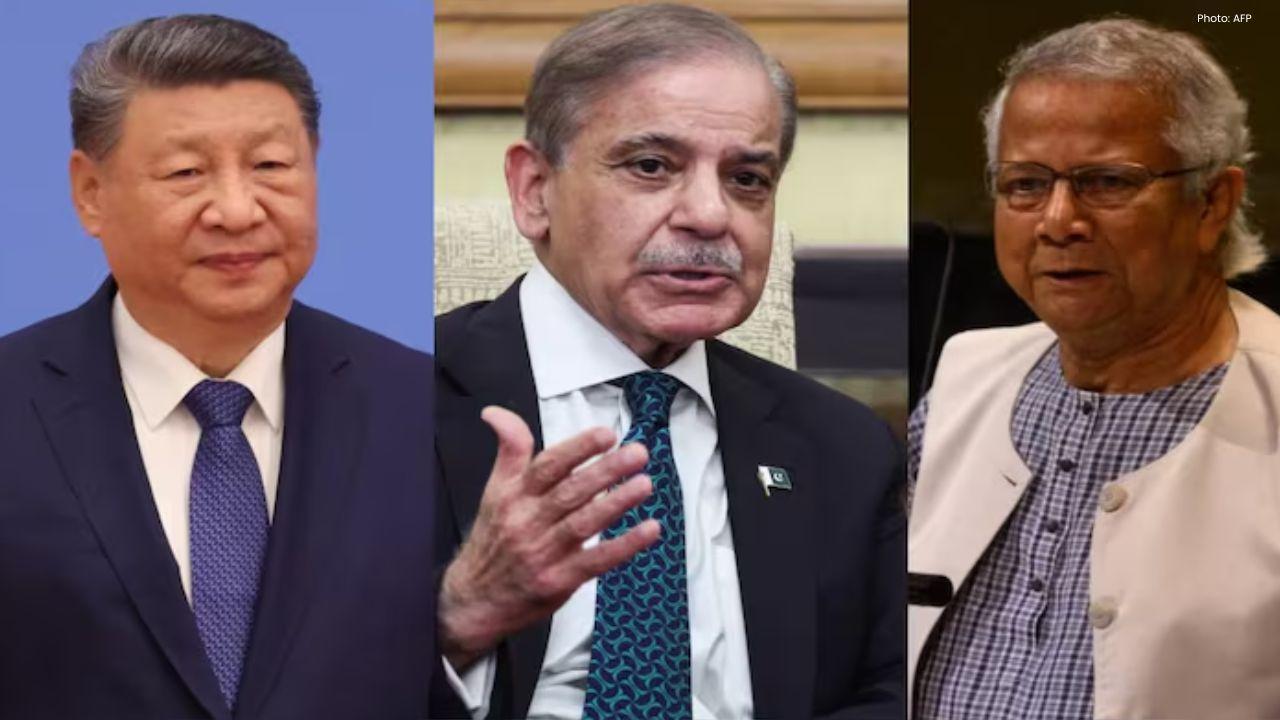
Pakistan is aiming to challenge India’s long-standing influence in South Asian geopolitics by proposing a new regional framework. Deputy Prime Minister Ishaq Dar recently announced that Islamabad is seeking to expand its trilateral initiative with China and Bangladesh to include additional regional nations, emphasizing a vision of “open and inclusive regionalism.”
Dar argued that South Asia can no longer remain trapped in “zero-sum mindsets, political fragmentation, and dysfunctional regional architecture.” He highlighted Pakistan’s desire for a region where disputes are resolved peacefully, economies grow in synergy, and cooperation replaces division.
Earlier this year, Pakistan, China, and Bangladesh established a trilateral mechanism to foster mutual collaboration on economic and strategic priorities. The first formal meeting of this group took place in Kunming in June. Dar suggested that this trilateral model could be expanded to include other nations, signaling a flexible approach that does not depend on any single country, indirectly referencing India.
The South Asian Association for Regional Cooperation (SAARC), established in 1985, has been largely inactive in recent years. Its founding members include India, Pakistan, Bangladesh, Bhutan, the Maldives, Nepal, and Sri Lanka, with Afghanistan joining in 2007. The bloc’s aim is to promote economic growth, social progress, and cultural development across the region. SAARC summits have been limited, with planned future meetings often canceled due to heightened tensions, particularly following cross-border attacks attributed to Pakistan. In response, India has focused on BIMSTEC, a regional grouping that excludes Pakistan and emphasizes practical cooperation.
Experts suggest that Pakistan’s current proposal is more aspirational than immediately actionable. Rabia Akhtar, director at the Centre for Security, Strategy and Policy Research (CSSPR), noted that while it signals Pakistan’s intent to diversify regional cooperation, its success will depend on whether other nations see tangible benefits and whether participation carries political risks concerning India.
India’s position in South Asia remains dominant. Its population, economy, defense budget, and foreign exchange reserves far exceed Pakistan’s. Smaller nations like Nepal and Bhutan remain dependent on India for trade, disaster response, and regional initiatives, highlighting New Delhi’s critical role.
South Asia is home to over two billion people, yet intra-regional trade remains limited to around $23 billion, representing only 5% of the region’s total commerce. Analysts estimate that reducing trade barriers could increase this to $67 billion, underscoring the economic potential of effective cooperation.
While Pakistan’s initiative reflects an attempt to rethink regional cooperation amid SAARC’s paralysis, India’s influence and central role in the region make any India-excluding bloc challenging to implement. The success of this plan will ultimately depend on whether other South Asian nations see real value in participating without straining their relationship with India.
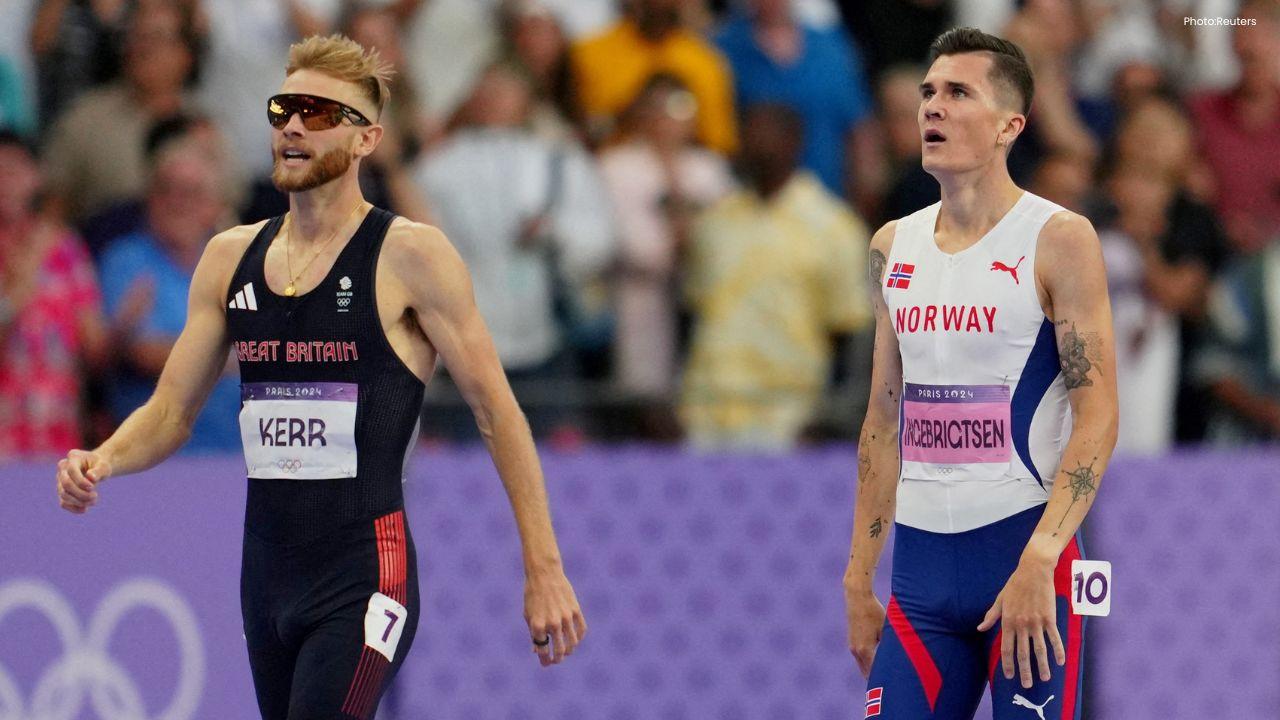


Josh Kerr and Jakob Ingebrigtsen Set for 1,500m Rivalry Rematch
Josh Kerr and Jakob Ingebrigtsen will renew their 1,500m rivalry at the Ultimate Championship in Bud

PSG Coach Luis Enrique Urges Players to Step Outside Comfort Zone
PSG coach Luis Enrique says players must leave their comfort zone and keep improving as the club tar

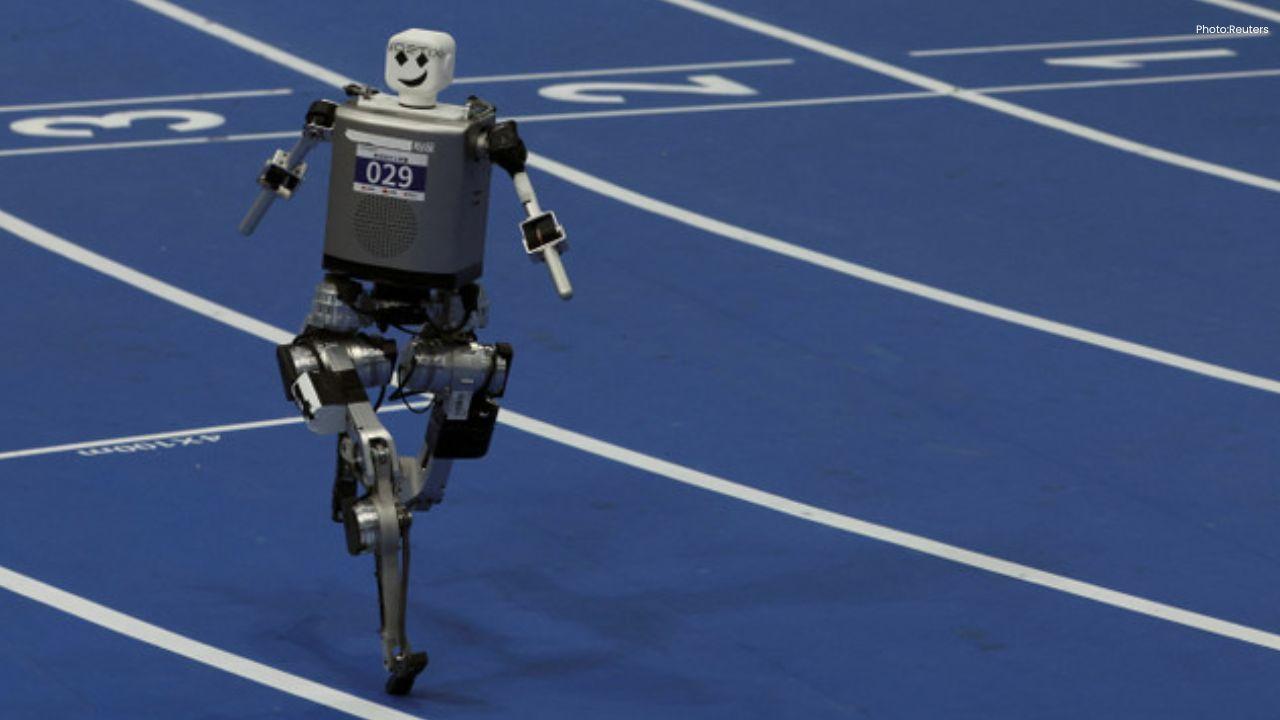
China’s Tiangong Sets New 400m Record at Robot Olympics
China’s Tiangong robot sets a new 400m record at the Robot Olympics, beating a South African robot i

George Russell Wins Dutch GP Sprint, Boosts Mercedes Morale
George Russell wins the Dutch GP Sprint from pole as Mercedes teammate Kimi Antonelli extends his F1
Australia 50/3 After Bangladesh Bowled Out for 64 in Second Test
Australia reached 50/3 after Bangladesh were bowled out for 64 in the second Test, with Mitchell Sta

Jordan Burroughs Returns to Wrestling with 2028 Olympic Dream
Jordan Burroughs returns to wrestling with Real American Freestyle as the Olympic champion eyes a po