
You have not yet added any article to your bookmarks!
Join 10k+ people to get notified about new posts, news and tips.
Do not worry we don't spam!
Post by : Saif Rahman
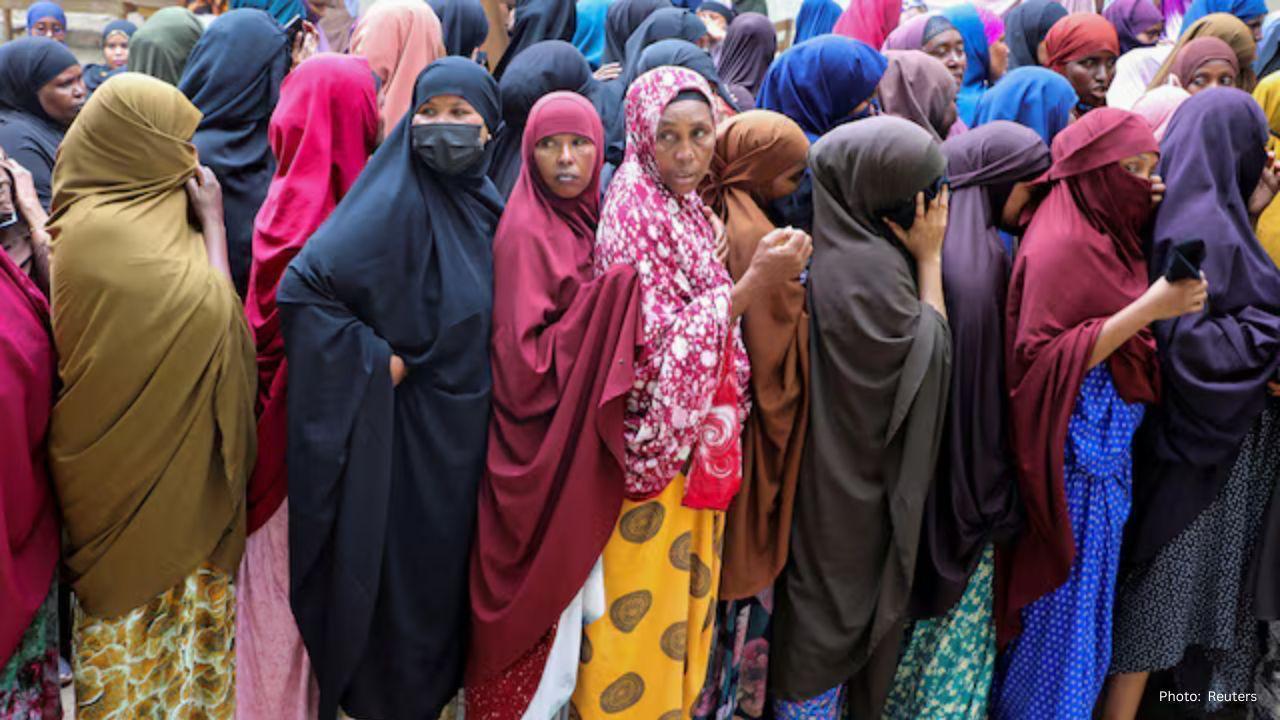
Mogadishu, Somalia’s bustling capital, made headlines on Thursday as citizens participated in local government elections. This pivotal event is viewed as a significant move towards re-establishing universal suffrage, a right that hasn’t been granted at the national level for over 50 years.
The last occasion Somalis experienced direct national voting was in 1969, just before a military coup led by General Mohamed Siad Barre ushered in decades of turmoil. Following the government's collapse in 1991, Somalia underwent civil strife, leading to an indirect voting process initiated in 2004, where clan elders selected representatives.
Many citizens have lamented this indirect approach, insisting it alienates them from the decision-making process and facilitates corruption. The recent vote in Mogadishu signifies a departure from that model, enabling residents to elect their local representatives directly for the first time in many years.
In this election, approximately 1,605 candidates vied for 390 district council seats within the city. Those elected will subsequently choose Mogadishu’s mayor. Election officials view this event as a precursor to the countrywide direct elections slated for 2026.
Security measures were stringent throughout the city. Authorities restricted access to roads, businesses, the airport, and the port for the day, deploying around 10,000 security personnel to safeguard polling locations. Despite the persistent threats from the al Qaeda-linked group al Shabaab, voter turnout was impressive, with long lines evident early in the morning.
For many constituents, this day held profound emotional significance. Older voters, some participating in elections for the first time, expressed expressions of pride and hope. Many regarded the event as a sign of Somalia’s gradual progression after years of instability.
In 2024, a law was passed to restore universal suffrage in anticipation of federal elections scheduled for next year. Nonetheless, the political discourse is still alive. President Hassan Sheikh Mohamud and some opposition leaders agreed that while lawmakers would be elected directly in 2026, presidential selection would remain under parliamentary control. Critics voice concerns that rapid changes may favor the current power structure.
Opposition parties have also raised alarms about ongoing security issues, emphasizing that al Shabaab maintains control over vast rural regions and continues to launch attacks in urban areas, questioning the nation's readiness for nationwide voting.
Despite these apprehensions, the election in Mogadishu is broadly regarded as a promising indicator of public sentiment for change, highlighting a move toward empowering the citizens of Somalia to influence their nation's future.





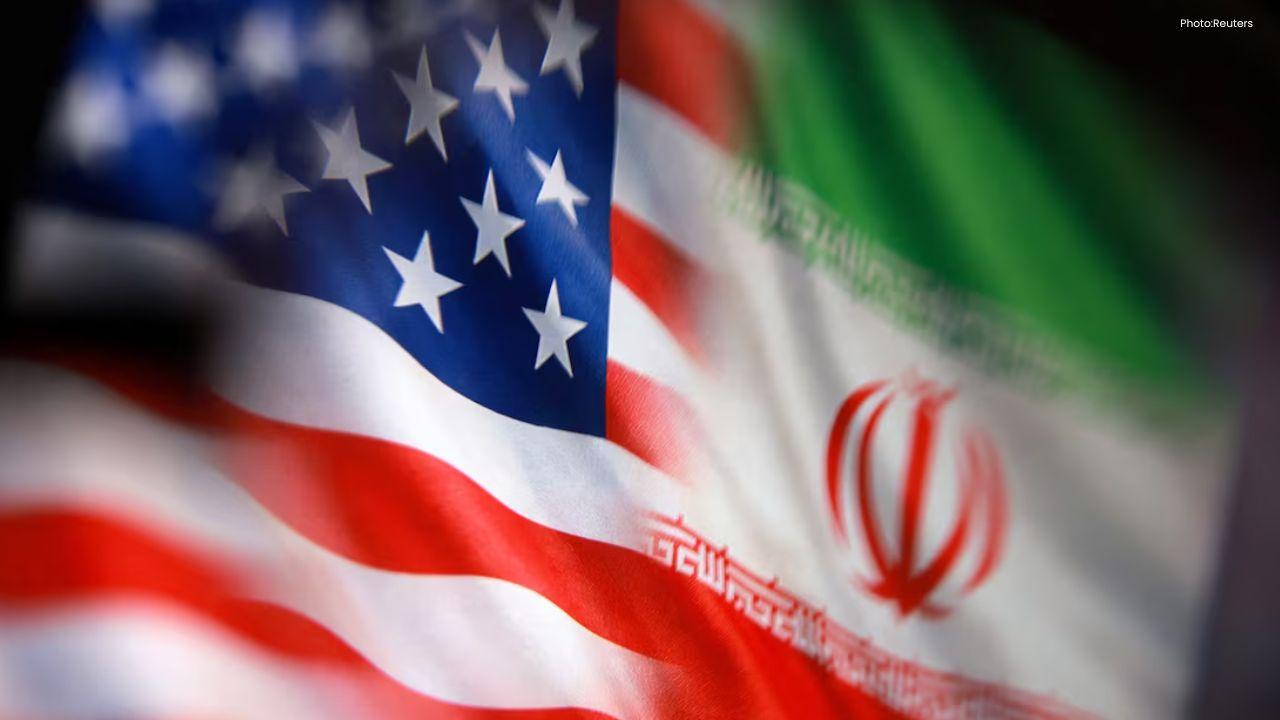

PSG Coach Luis Enrique Urges Players to Step Outside Comfort Zone
PSG coach Luis Enrique says players must leave their comfort zone and keep improving as the club tar

China’s Tiangong Sets New 400m Record at Robot Olympics
China’s Tiangong robot sets a new 400m record at the Robot Olympics, beating a South African robot i

George Russell Wins Dutch GP Sprint, Boosts Mercedes Morale
George Russell wins the Dutch GP Sprint from pole as Mercedes teammate Kimi Antonelli extends his F1
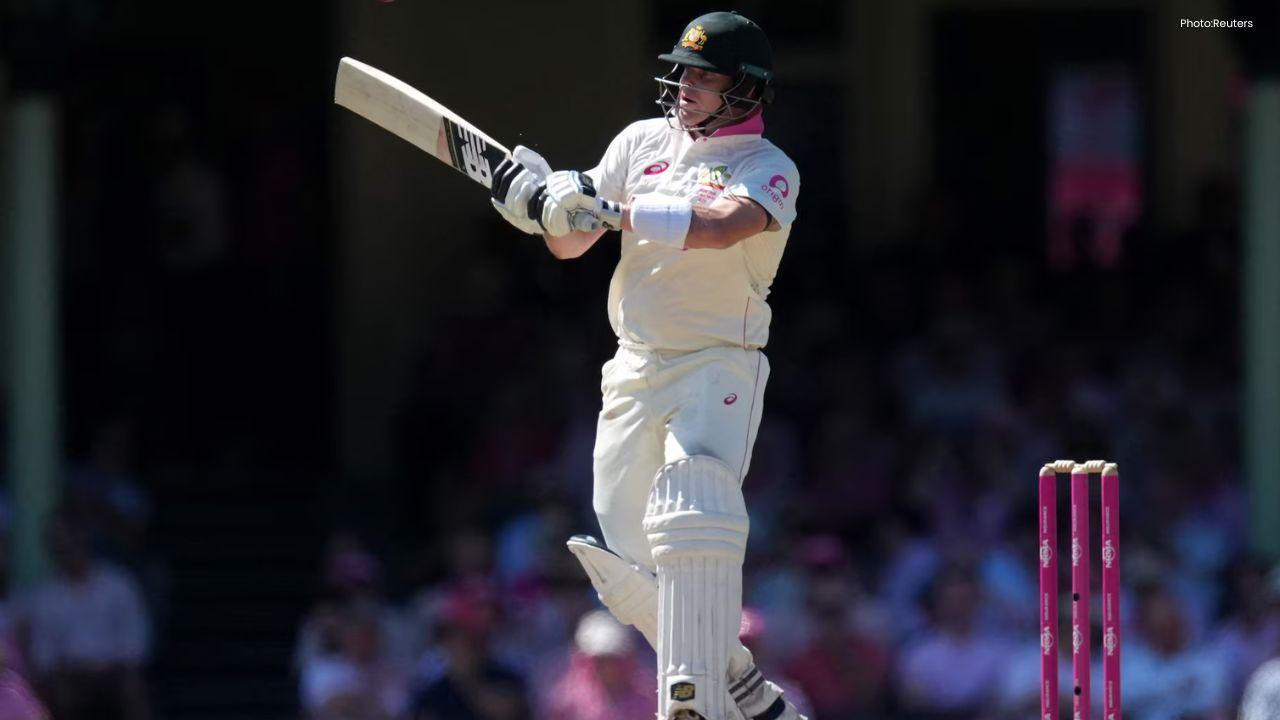
Australia 50/3 After Bangladesh Bowled Out for 64 in Second Test
Australia reached 50/3 after Bangladesh were bowled out for 64 in the second Test, with Mitchell Sta

Jordan Burroughs Returns to Wrestling with 2028 Olympic Dream
Jordan Burroughs returns to wrestling with Real American Freestyle as the Olympic champion eyes a po

Lamborghini Catches Fire on Singapore's ECP, Causing Heavy Traffic
A Lamborghini caught fire on Singapore's ECP, causing heavy traffic and bus delays. No injuries were

