
You have not yet added any article to your bookmarks!
Join 10k+ people to get notified about new posts, news and tips.
Do not worry we don't spam!
Post by : Saif Rahman
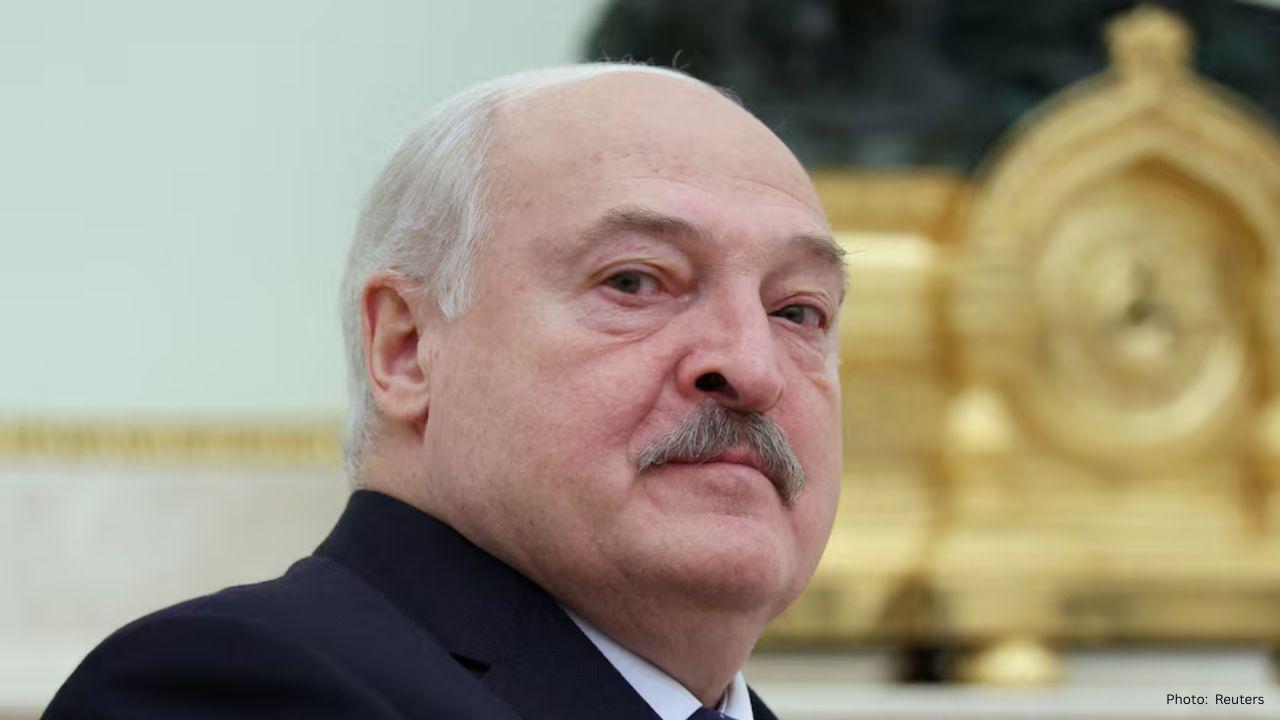
Belarusian President Alexander Lukashenko has indicated that there could be a path to improved relations between Belarus and the United States following a prolonged period of tension. He proposed that the U.S. should recognize the failure of efforts to contest his 2020 electoral victory as a potential starting point for dialogue. This statement comes amid minimal engagement between the two nations in recent times.
Having held power since 1994, Lukashenko’s 2020 re-election—which secured him a sixth term—ignited the largest protests in Belarusian history. Both citizens and Western nations criticized the election, deeming it unfair and refusing to accept the results. Conversely, Russia quickly endorsed Lukashenko, lending ongoing support to his administration.
Responses to the protests were severe, with thousands detained and numerous opposition leaders arrested or forced into exile. In retaliation, the U.S. and its allies imposed sanctions on Belarus. Tensions intensified further when Belarus permitted Russian troops to operate from its territory during the invasion of Ukraine in 2022.
While speaking with the U.S. media outlet Newsmax, Lukashenko argued that both Belarusians and Americans have practical minds and the capability to reach agreements. He contended that acknowledgment of the West's failed attempts to overturn his re-election could facilitate dialogue. He stressed the importance of moving beyond the conflict for an improved relationship without the need for public declarations.
Moreover, Lukashenko questioned the reasons behind the strained U.S.-Belarus ties, asserting that Belarus has not acted against U.S. interests and expressed a desire for respectful and normal interactions. His statements seem directed towards building trust and initiating discussions.
Despite the substantial rift, there have been sporadic contacts between the two governments, with U.S. envoys visiting Belarus to address initiatives aimed at improving relations, including the release of individuals deemed political prisoners by the West. Recently, a U.S. representative assisted in the release of 123 detainees, one of the largest releases in years.
However, significant hurdles remain. Sanctions against Belarus are still enforced, and the U.S. continues to voice criticism over human rights violations and the nation's close association with Russia. Any real advancement in relations is likely contingent on substantial changes regarding these concerns.
Lukashenko’s remarks appear to be a test of Washington’s readiness for a cautious reconciliation. Whether this will lead to meaningful progress or remain merely a political gesture will depend on subsequent actions by both nations moving forward.
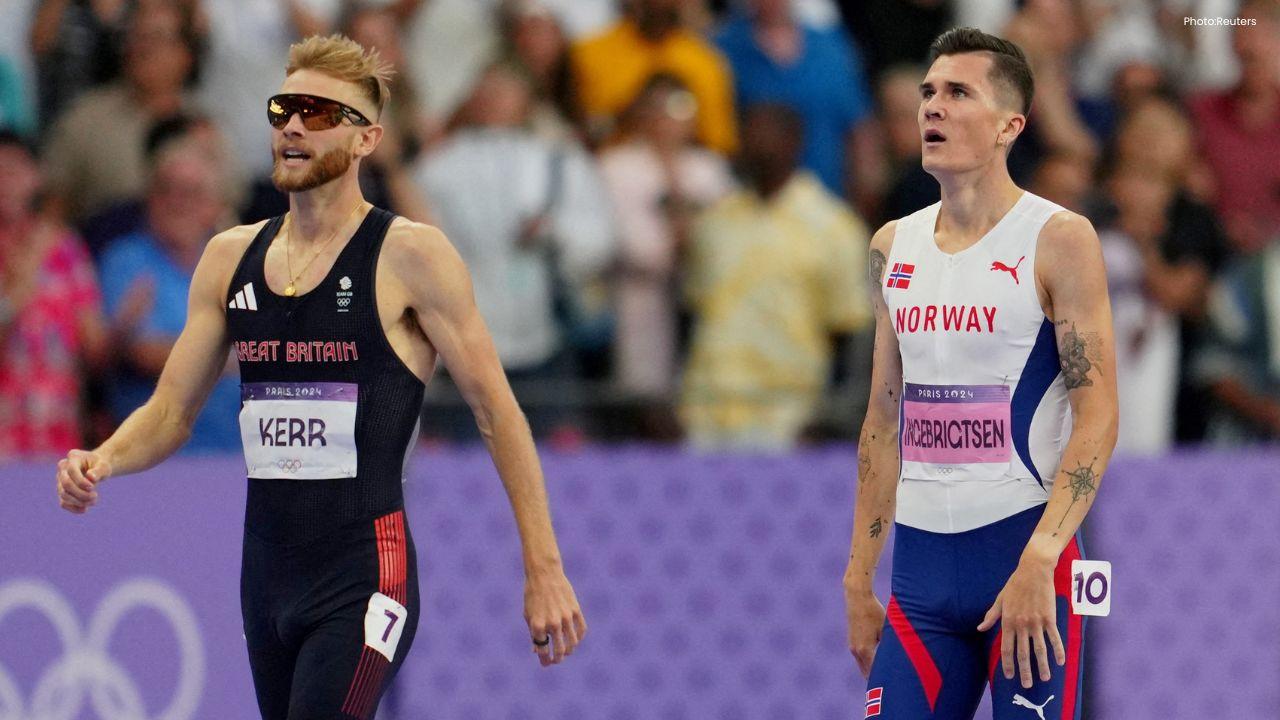



Josh Kerr and Jakob Ingebrigtsen Set for 1,500m Rivalry Rematch
Josh Kerr and Jakob Ingebrigtsen will renew their 1,500m rivalry at the Ultimate Championship in Bud

PSG Coach Luis Enrique Urges Players to Step Outside Comfort Zone
PSG coach Luis Enrique says players must leave their comfort zone and keep improving as the club tar

China’s Tiangong Sets New 400m Record at Robot Olympics
China’s Tiangong robot sets a new 400m record at the Robot Olympics, beating a South African robot i

George Russell Wins Dutch GP Sprint, Boosts Mercedes Morale
George Russell wins the Dutch GP Sprint from pole as Mercedes teammate Kimi Antonelli extends his F1

Australia 50/3 After Bangladesh Bowled Out for 64 in Second Test
Australia reached 50/3 after Bangladesh were bowled out for 64 in the second Test, with Mitchell Sta

Jordan Burroughs Returns to Wrestling with 2028 Olympic Dream
Jordan Burroughs returns to wrestling with Real American Freestyle as the Olympic champion eyes a po

