
You have not yet added any article to your bookmarks!
Join 10k+ people to get notified about new posts, news and tips.
Do not worry we don't spam!
Post by : Saif Rahman
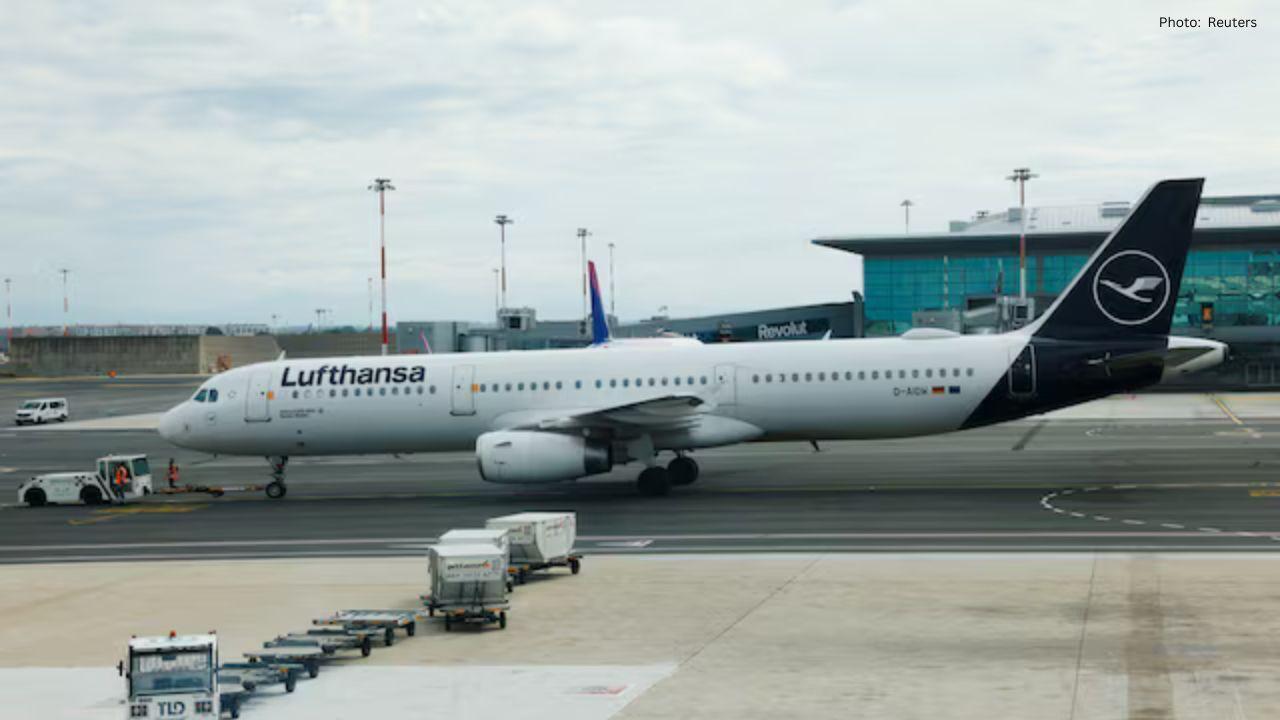
Lufthansa, the largest airline group in Germany, is making efforts to restore investor confidence following a period of disappointing performance. Even as it prepares for a strong turnaround starting in 2026, many investors remain skeptical as the airline still falls behind its European counterparts.
Since taking over in 2014, Chief Executive Carsten Spohr has seen Lufthansa's share price drop by approximately one-third. A brief surge in growth was noted in 2017, but the COVID-19 pandemic severely impacted the airline. Since then, its recovery has not kept pace with other major European airlines.
For long-term shareholders, the results have been underwhelming. Those who invested when Spohr took the helm are still experiencing losses, even with dividends considered. This lack of performance has left Lufthansa trailing rivals such as IAG, which owns British Airways, and Air France-KLM.
Recently, Lufthansa's shares have increased by about 26%, indicating some recovery. However, this uptick is still dwarfed by the faster growth seen in competitor stocks, highlighting ongoing challenges for the airline.
One of the primary concerns for investors remains Lufthansa's elevated operating costs and continual labor disputes, which have negatively impacted profitability and margins. Last year, the company saw a significant drop in its operating margin, lagging behind key competitors. Analysts project only a slight uplift in the short term.
In response, Lufthansa has revealed plans to cut costs, including reducing its workforce by approximately 4,000 positions over five years and retiring aging aircraft to enhance efficiency. Their long-term aim is to achieve an operating margin of 8% to 10% by the decade's end. Still, stakeholders seek tangible progress to regain trust.
Lufthansa’s complexities further complicate recovery, as the group manages several airline brands and operates across six major hubs in Europe, including Italy's ITA Airways and budget carrier Eurowings. Such a sprawling network imposes additional pressures on cost control and management strategies.
External factors are compounding these challenges. A decline in demand for transatlantic travel—one of Lufthansa's key markets—and delivery delays of new aircraft, along with challenging labor negotiations, could hinder its recovery efforts.
While Lufthansa’s leadership professes confidence in the company’s trajectory, investor trust remains vulnerable. After years of setbacks, stakeholders are eager for real and sustainable advancements. The coming years will be crucial for determining if Lufthansa can align with its European rivals or continues to lag behind.







Josh Kerr and Jakob Ingebrigtsen Set for 1,500m Rivalry Rematch
Josh Kerr and Jakob Ingebrigtsen will renew their 1,500m rivalry at the Ultimate Championship in Bud

PSG Coach Luis Enrique Urges Players to Step Outside Comfort Zone
PSG coach Luis Enrique says players must leave their comfort zone and keep improving as the club tar

China’s Tiangong Sets New 400m Record at Robot Olympics
China’s Tiangong robot sets a new 400m record at the Robot Olympics, beating a South African robot i

George Russell Wins Dutch GP Sprint, Boosts Mercedes Morale
George Russell wins the Dutch GP Sprint from pole as Mercedes teammate Kimi Antonelli extends his F1

Australia 50/3 After Bangladesh Bowled Out for 64 in Second Test
Australia reached 50/3 after Bangladesh were bowled out for 64 in the second Test, with Mitchell Sta

Jordan Burroughs Returns to Wrestling with 2028 Olympic Dream
Jordan Burroughs returns to wrestling with Real American Freestyle as the Olympic champion eyes a po

