
You have not yet added any article to your bookmarks!
Join 10k+ people to get notified about new posts, news and tips.
Do not worry we don't spam!
Post by : Anis Farhan
Urban shopping habits are witnessing a dramatic transformation. For decades, local markets stood as the cornerstone of community life — buzzing lanes, friendly vendors, and fresh local produce. Then came the wave of mega malls — sprawling complexes offering everything under one roof. In recent years, as urbanization spreads rapidly, this battle between tradition and modernity has intensified. But today, with evolving consumer preferences, shifting lifestyles, and digital influences, a critical question arises: are mega malls the ultimate winners, or are local markets staging a quiet comeback?
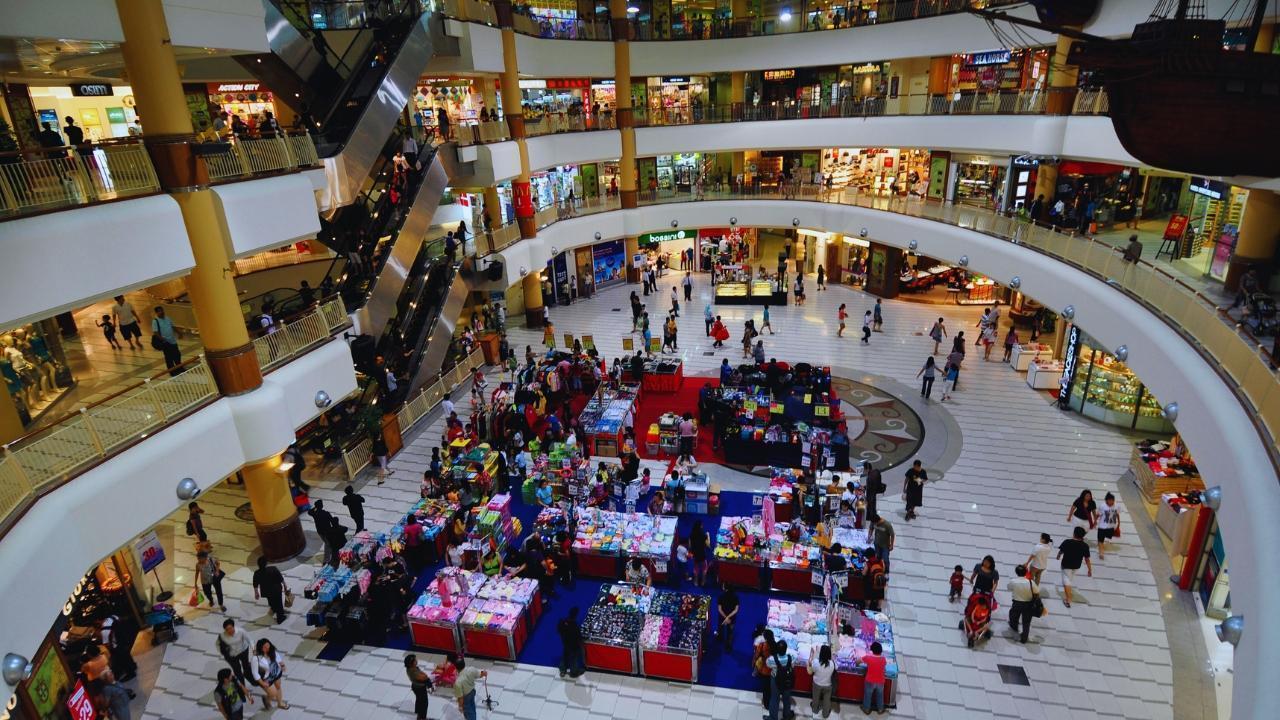
Mega malls began flourishing in urban centers in the late 20th century, offering unprecedented convenience. Shoppers could access branded clothing, electronics, entertainment, and dining options — all within air-conditioned comfort. The introduction of cinemas, food courts, and amusement areas made malls not just shopping centers but social hubs. For many, malls symbolized progress, offering a globalized retail experience that felt modern and aspirational.
Developers capitalized on this trend, building larger and more luxurious malls equipped with high-end brands, advanced architecture, and unique themes. Mega malls became weekend destinations, places where families could spend hours — shopping, dining, and enjoying recreational activities.
Yet, while malls grew, local markets never disappeared. These age-old shopping spaces remained essential for many urban residents, offering affordability, personal interaction, and cultural richness. From fresh fruits and vegetables to handmade crafts, local markets catered to everyday needs with a personal touch. Many markets evolved over time, incorporating modern payment systems, while preserving traditional vendor-customer relationships.
Markets are often tied to community identity, acting as places of social bonding. Bargaining is not just a transaction, but an interaction that builds connection. Additionally, for millions, especially in developing nations, local markets remain economically vital, supporting small traders, artisans, and local farmers.
Modern consumers are more discerning than ever. With increased access to information, social media, and online shopping, urban dwellers today seek more than just products — they want experiences. Environmental awareness is also influencing choices. Many young shoppers now prioritize local, handmade, and eco-friendly goods over mass-produced items.
During the pandemic years, many rediscovered local markets out of necessity, building fresh appreciation for neighborhood shops. The post-pandemic world has seen a surge in demand for open-air shopping spaces, reducing dependency on confined, crowded mall spaces. As cities embrace healthier, community-oriented lifestyles, local markets are regaining popularity for their sustainability, freshness, and human interaction.
Mega malls, aware of these shifts, are reinventing themselves. Modern malls now focus on experiential retail — offering immersive activities like VR gaming zones, theme park attractions, rooftop gardens, and gourmet dining experiences. Pop-up stalls and local artisan markets are being introduced within malls to blend the local with the modern. The goal is clear: retain relevance by making malls more than just shopping destinations.
Moreover, malls have heavily invested in luxury experiences — high-end fashion shows, international food festivals, and exclusive product launches that local markets typically can’t provide. This pivot towards premium entertainment is their strongest answer to changing consumer demands.
One of the most evident contrasts remains in pricing. Local markets largely remain budget-friendly, offering flexible prices, discounts, and bargaining options. Fresh produce, street food, and unbranded essentials are often more affordable than their mall counterparts. For daily needs and household essentials, many urban families still prefer local markets for their cost-effectiveness.
Mega malls, while offering comfort, cater more to discretionary spending. Branded goods, premium dining, and entertainment come at a higher cost. Malls are favored for occasional indulgence rather than everyday shopping by middle-income groups.
The “support local” movement is gaining ground in cities globally. Shoppers are increasingly aware that spending at local markets directly supports farmers, artisans, and small businesses. This community-driven sentiment has led to initiatives promoting farmer’s markets, weekend flea markets, and locally sourced products within urban landscapes.
In cities like Bangkok, Kuala Lumpur, and Jakarta, local weekend markets have transformed into cultural events, attracting not just residents but tourists. These markets offer more than goods — they offer storytelling, tradition, and authenticity.
Digital technology has added a fresh twist to the local vs mall debate. Many local markets now offer QR code payments, online ordering, and even social media-based marketing. The rise of quick commerce apps means that even neighborhood vendors can reach tech-savvy customers efficiently.
Mega malls, on the other hand, have integrated smart parking, digital directories, and augmented reality features to enhance customer experience. Online presence via e-commerce partnerships helps malls survive amidst the growing dominance of online shopping.
Interestingly, technology is leveling the playing field, allowing both local markets and mega malls to modernize while maintaining their unique appeal.
Sustainability concerns are nudging urban shoppers to rethink consumption habits. Local markets, due to their proximity and minimal packaging, often leave a smaller carbon footprint compared to large malls that require complex infrastructure and high energy consumption.
Malls, in response, are adopting green certifications, solar panels, and eco-friendly operations. Yet, environmental advocates argue that the low-waste nature of local markets remains inherently more sustainable, making them a preferable option for conscious consumers.
In European cities, local markets are making a strong comeback with urban planning integrating pedestrian-friendly market streets.
In Asian metropolises, mega malls remain dominant but co-exist with thriving traditional markets.
In Middle Eastern hubs, high-end malls dominate luxury spending, while souks and local bazaars continue drawing cultural enthusiasts.
In North America, malls have seen a decline in many suburbs, while farmers markets and pop-up events flourish in urban areas.
Clearly, the winner varies by city, culture, and consumer class. The real trend is not a winner-takes-all but a diverse ecosystem where both can thrive.
The likely direction for future urban shopping lies in hybridization. Smart urban planning is encouraging spaces where mega mall convenience meets local market authenticity. Mall operators are dedicating spaces to local traders, while local markets are adopting modern conveniences. Pop-up markets inside malls and rotating artisan corners are becoming popular.
This blending offers the best of both worlds — the cultural vibrancy of local shopping with the ease and comfort of organized retail.
The urban shopping landscape is no longer a simple competition between local markets and mega malls. Both serve unique needs, and both are evolving in response to modern consumer expectations. While malls cater to comfort, entertainment, and branded luxury, local markets preserve culture, community bonds, and affordability.
As cities continue to grow, the most successful urban spaces will be those that embrace retail diversity — where old meets new, tradition blends with innovation, and shoppers enjoy variety with convenience. Ultimately, the true winner is the modern urban shopper, who enjoys more choices than ever before.
This article is for general information purposes only. Shopping preferences can vary based on personal tastes, city policies, and local economic conditions.










PM Modi Pays Tribute to Mahatma Gandhi, Urges People to Support Khadi
PM Modi pays tribute to Mahatma Gandhi on Gandhi Jayanti and urges citizens to support Khadi and the

Amazon Seeks to Offload $8 Billion in Nvidia Chips to Investors
Amazon plans to move $8 billion in Nvidia chips to investors, using a new financing model to strengt

Samsung Raises Galaxy S26 Prices as Memory Chip Costs Rise
Samsung raises Galaxy S26 prices in South Korea as rising memory chip costs put pressure on smartpho

Lewis Hamilton Calls Singapore Grand Prix One of F1's Toughest Races
Lewis Hamilton discusses the demanding Singapore Grand Prix and brings Plus44 and Almave to Singapor

Denmark's Pandora Opens World's Largest Jewellery Factory in Vietnam
Pandora opens its largest jewellery factory in Vietnam, expanding global production, strengthening s

Gautam Gambhir Questions Batting-Friendly Pitches After India's Record ODI Chase
Gautam Gambhir questions batting-friendly ODI pitches after India’s record chase, calling for a bett

