
You have not yet added any article to your bookmarks!
Join 10k+ people to get notified about new posts, news and tips.
Do not worry we don't spam!
Post by : Badri Ariffin
Once silent, Prickly Pear East Cay now buzzes with life as conservationists celebrate a significant revival of the endangered Lesser Antillean iguana. Once on the brink of extinction, this remarkable transformation marks a turning point for this species.
The Anguilla National Trust, along with global conservation entities, celebrates this success, illustrating how diligent human efforts can rejuvenate an entire species.
A Species on the Edge
The Lesser Antillean iguana, or Iguana delicatissima, thrived on Caribbean islands long ago, living harmoniously with indigenous tribes. Experts suggest they reached the islands when drifting on tree debris from South America.
However, various modern threats have driven them to the brink of extinction. Land development, invasive species, and competition from the more dominant green iguana have drastically reduced their populations. Today, they are extinct in places like Antigua and St. Kitts, with groups remaining minuscule on other islands.
Current estimates suggest merely 20,000 remain globally, a critically low figure for a species spread over many islands.
A Bold Rescue Effort
Nearly ten years ago, Prickly Pear East Cay had no Lesser Antillean iguanas, being an uninhabited haven without predators. This made it a prime candidate for a rescue mission.
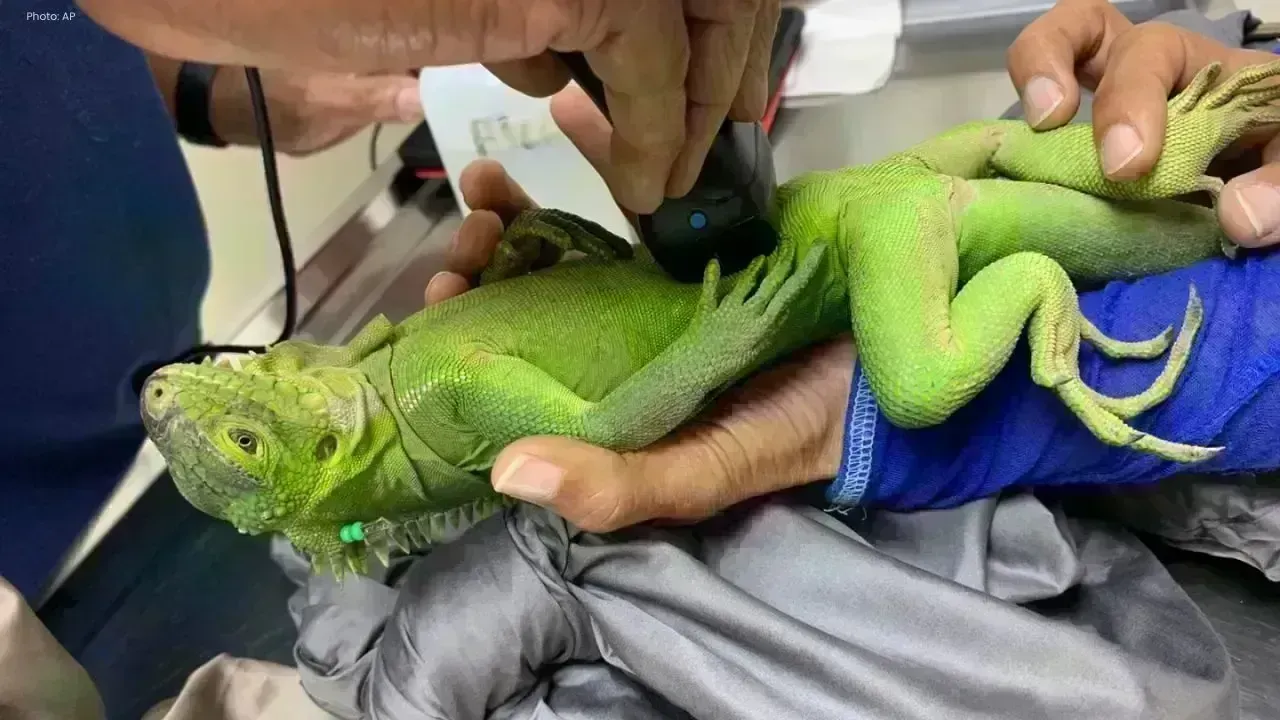
Scientists aimed to construct a protected habitat for these iguanas to thrive without threats. Conservationists painstakingly captured iguanas across Anguilla, utilizing poles with nooses while engaging local residents to help report sightings.
A year of diligent searching yielded 23 pure Lesser Antillean iguanas, likely the last remnants on the island. Genetic tests confirmed their lineage was untainted, ensuring their survival chances.
The initial ten iguanas were transported to the cay in breathable cotton bags, with the additional members following after their adaptation.
A Population Boom
The relocation was successful. The iguanas acclimatized quickly, leading to signs of life—burrows and nests soon followed, and their population surged from 10 to 300.
Today, Prickly Pear East Cay is recognized as one of five global sanctuary sites for the Lesser Antillean iguana and stands as a beacon of hope in conservation, demonstrating the profound impact of targeted habitat preservation.
Facing Challenges from Green Iguanas
While celebrating progress, the green iguana, an invasive species introduced in the 1800s, poses ongoing threats. These iguanas outcompete and hybridize with the Lesser Antillean iguanas, jeopardizing their unique genetic makeup.
Preventing this genetic mixing is vital, underscoring the need for relocating the endangered iguanas to secure islands.
Diversifying the Gene Pool
Despite the achievements, scientists remain concerned about genetic diversity within the limited population. To mitigate risks, they turned to Dominica, which houses a more robust population of pure Lesser Antillean iguanas. This required careful planning, especially during the pandemic.
Conservationists traveled to Dominica following quarantine, creating temporary homes for captured iguanas and ensuring no hybridization occurred through DNA testing.
Some iguanas received special care, being hand-fed while others enjoyed a diet of pumpkins and flowers before their translocation back to Anguilla.
The Island’s Ecosystem
Currently, the cay remains an uninhabited paradise, featuring two small eateries for scattered visitors. While tourists savor local delicacies, the iguanas are under strict protection.
The cay offers the iguanas:
secure nesting areas
ample food sources
absence of predators
no roadways or vehicle threats
These creatures can thrive for over 20 years, transforming in color from bright green in youth to shades of gray or black as adults.
A Hopeful Future
Today, every small movement of the iguanas brings joy, signifying the resilience of endangered species with nurturing support.
The iguana's revival signifies much more than just a recovery for one species—it emphasizes the importance of biodiversity and ecological balance.
The journey of Prickly Pear East Cay illustrates humanity's capacity to mend ecological imbalances through patience and scientific dedication.
Once quiet and life-less, the cay now thrives with 300 iguanas, illuminated by the hope of sustainable conservation efforts.










Josh Kerr and Jakob Ingebrigtsen Set for 1,500m Rivalry Rematch
Josh Kerr and Jakob Ingebrigtsen will renew their 1,500m rivalry at the Ultimate Championship in Bud

PSG Coach Luis Enrique Urges Players to Step Outside Comfort Zone
PSG coach Luis Enrique says players must leave their comfort zone and keep improving as the club tar

China’s Tiangong Sets New 400m Record at Robot Olympics
China’s Tiangong robot sets a new 400m record at the Robot Olympics, beating a South African robot i

George Russell Wins Dutch GP Sprint, Boosts Mercedes Morale
George Russell wins the Dutch GP Sprint from pole as Mercedes teammate Kimi Antonelli extends his F1

Australia 50/3 After Bangladesh Bowled Out for 64 in Second Test
Australia reached 50/3 after Bangladesh were bowled out for 64 in the second Test, with Mitchell Sta

Jordan Burroughs Returns to Wrestling with 2028 Olympic Dream
Jordan Burroughs returns to wrestling with Real American Freestyle as the Olympic champion eyes a po

