You have not yet added any article to your bookmarks!
Join 10k+ people to get notified about new posts, news and tips.
Do not worry we don't spam!

Post by : Saif Rahman
The tragic death of 22-year-old Robina Aminian during Iran's ongoing protests has sparked global outrage, underscoring the human toll of governmental repression. Aminian, a Kurdish fashion student in Tehran, was reportedly shot in the back of the head by security forces during the chaos. Her story exemplifies the overwhelming challenges families face while mourning under oppressive state control.
Following her death, Aminian’s mother, Amina Norei, endured the horrifying task of sifting through unidentified bodies in Tehran morgues to locate her daughter. Fearful of authorities and potential demands for payment to retrieve the body, the family was left with no choice but to bury her hastily in a roadside pit, denying them the chance for a proper farewell. This inhumane ordeal intensifies the grief experienced by families already coping with profound loss.
Aminian's case reflects the widespread violence against protesters in Iran. Since the protests erupted, reports indicate that over 3,090 individuals have lost their lives, despite the Iranian government withholding official statistics. Eyewitness accounts and videos reveal the brutal tactics employed by security forces, who have indiscriminately targeted peaceful civilians. Families throughout Iran are navigating similar heartache, searching overwhelmed morgues while avoiding government scrutiny to recover their deceased.
The family has stated that Robina was not politically engaged; she was simply a student aspiring for a bright future. Tragically, she became just another victim of the regime’s fierce crackdown on dissent. Her uncle, Nezar Minoei, lamented the dreams cut short, commenting, “She aimed for a promising future, but that future has been cruelly snatched away from her.”
Human rights observers have noted alarming patterns of intimidation, including financial coercion for body retrieval, falsified documentation that requires families to declare their deceased as part of the security forces, and severe restrictions on communication. Reports from organizations such as Amnesty International and the Center for Human Rights in Iran confirm these disturbing findings, illustrating efforts to silence grieving families and stifle public mourning.
This incident highlights the ongoing humanitarian crisis in Iran, where families like Aminian's endure unbearable suffering amid intimidation tactics from state apparatus. The world observes as Iranians express their demands for freedom, only to face brutal retribution.
Robina Aminian’s story serves as a compelling call for immediate global focus and action to safeguard civilians and hold oppressive regimes accountable for their human rights violations. Until justice and security are realized, families will continue to confront unimaginable heartache, often in brutal and unforgiving circumstances.





George Russell Wins Dutch GP Sprint, Boosts Mercedes Morale
George Russell wins the Dutch GP Sprint from pole as Mercedes teammate Kimi Antonelli extends his F1

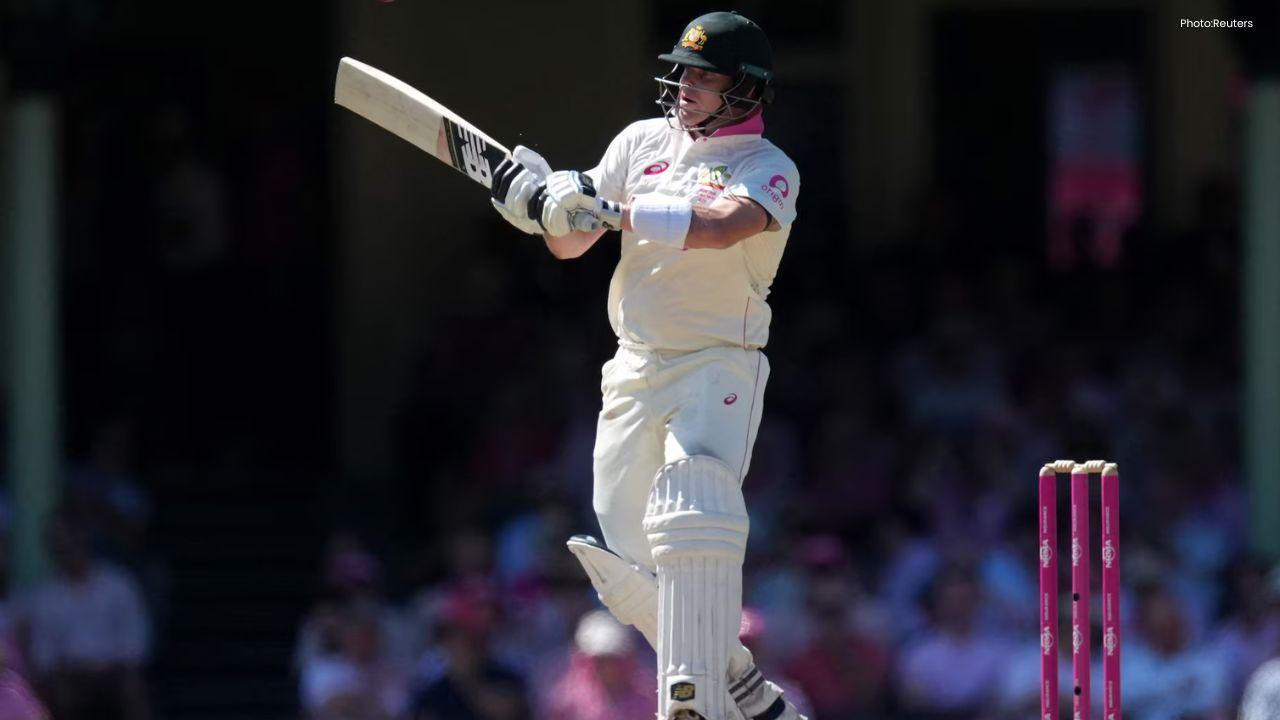
Australia 50/3 After Bangladesh Bowled Out for 64 in Second Test
Australia reached 50/3 after Bangladesh were bowled out for 64 in the second Test, with Mitchell Sta

Jordan Burroughs Returns to Wrestling with 2028 Olympic Dream
Jordan Burroughs returns to wrestling with Real American Freestyle as the Olympic champion eyes a po

Lamborghini Catches Fire on Singapore's ECP, Causing Heavy Traffic
A Lamborghini caught fire on Singapore's ECP, causing heavy traffic and bus delays. No injuries were

Bangkok Airport Duty-Free Area Flooded by Pipe Burst
A burst water pipe flooded the duty-free shopping area at Bangkok's Suvarnabhumi Airport on July 16,
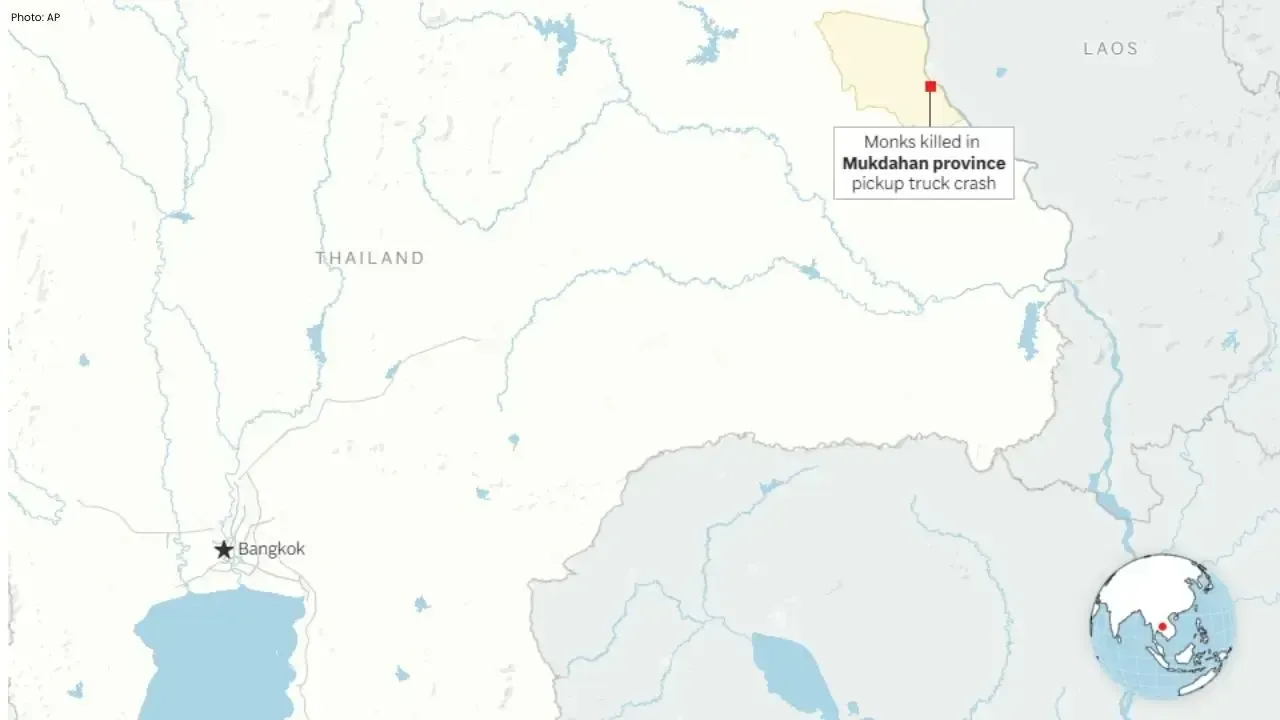
Nine Monks Killed in Thailand Pickup Truck Tragedy
An 11-year-old boy driving a pickup truck crashed into monks during a pilgrimage in northeastern Tha