You have not yet added any article to your bookmarks!
Join 10k+ people to get notified about new posts, news and tips.
Do not worry we don't spam!
Post by : Anis Farhan
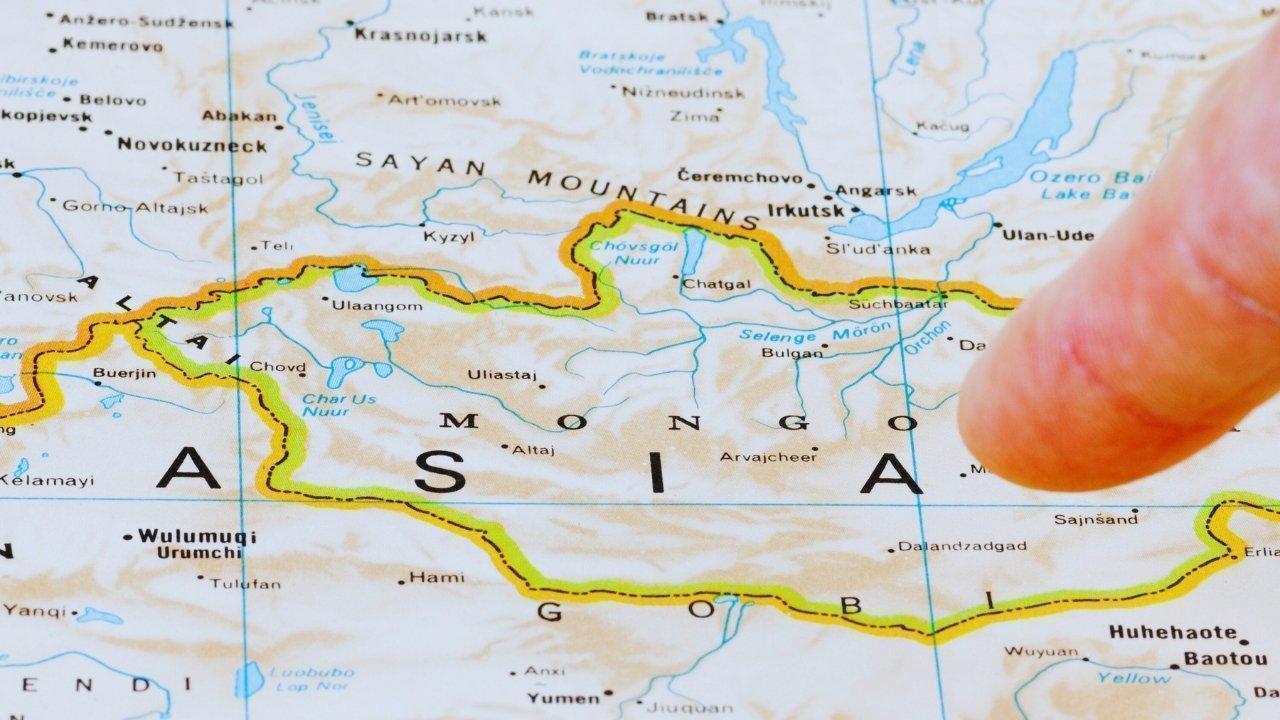
Asia’s economic success has always been tied to its geography. With vast coastlines enabling maritime trade, mountain ranges challenging land connectivity, and densely populated urban centers demanding modern infrastructure, the region’s physical landscape shapes its destiny. Today, as Asia positions itself at the center of global growth, geography continues to define how trade routes, transport systems, and digital infrastructure are designed.
From China’s Belt and Road Initiative (BRI) linking Asia to Europe and Africa, to Southeast Asia’s expanding road, rail, and port networks, infrastructure has become the backbone of Asia’s rise. Yet, the challenges are as diverse as the continent itself—balancing rapid development with environmental sustainability, bridging urban-rural divides, and ensuring inclusive growth.
For centuries, Asia’s geography has determined trade flows. Ancient routes such as the Silk Road connected China, India, and the Middle East, facilitating cultural and economic exchanges. The Indian Ocean trade routes shaped maritime commerce, connecting Southeast Asia with Africa and Europe. Geography gave Asia a natural advantage, but modern challenges such as border disputes, climate risks, and fragmented infrastructure mean the continent must constantly adapt.
Understanding these roots is key to seeing how Asia’s geography continues to dictate both opportunities and obstacles in building infrastructure that supports growth.
Asia’s long coastlines and access to critical waterways—like the Strait of Malacca, the South China Sea, and the Indian Ocean—make it the world’s maritime hub. Ports in Singapore, Shanghai, and Busan serve as global trade gateways, handling millions of containers annually.
Investments in port infrastructure are not only about increasing trade volume but also about reducing costs and improving supply chain efficiency. Geography plays a vital role here—countries located along busy sea lanes enjoy natural advantages in trade. However, competition for dominance over maritime routes also fuels geopolitical tensions, particularly in the South China Sea.
Asia’s geography is as challenging as it is advantageous. Mountain ranges like the Himalayas, dense jungles in Southeast Asia, and vast deserts in Central Asia complicate connectivity. Yet, ambitious road and rail projects are overcoming these hurdles.
China’s Belt and Road Initiative has constructed thousands of kilometers of railways and highways across Asia, linking landlocked nations to ports and industrial hubs. High-speed rail projects in Japan, China, and now Southeast Asia are redefining how people and goods move across borders. These projects highlight how infrastructure transforms geographic disadvantages into growth opportunities.
In today’s economy, geography is no longer just physical. Digital connectivity is becoming just as important. Asia is home to more than half the world’s internet users, yet connectivity is uneven, with urban areas enjoying high-speed internet while rural regions struggle with access.
Massive investments in undersea cables, 5G networks, and digital highways are bridging this gap. Countries like South Korea and Singapore lead in digital infrastructure, while nations like India and Indonesia are rapidly expanding rural access. Asia’s digital geography will determine future competitiveness in fields like e-commerce, fintech, and artificial intelligence.
China: Its vast geography has pushed large-scale infrastructure—high-speed rail now connects megacities, while inland provinces are being integrated with ports through highways and logistics hubs.
India: With its vast population spread across cities and rural areas, India’s challenge lies in balancing urban infrastructure with rural connectivity. Projects like the Delhi-Mumbai Industrial Corridor aim to transform economic geography.
Southeast Asia: Geography makes ASEAN one of the most dynamic trade hubs, but challenges like fragmented borders and diverse terrains require collective regional strategies. The Trans-ASEAN highway and digital corridor projects are key responses.
Central Asia: Historically cut off by mountains and deserts, Central Asia is benefiting from new railway and pipeline projects linking it to China, Europe, and the Middle East.
Asia’s geography also exposes it to environmental risks—floods, rising sea levels, and earthquakes. Infrastructure must be designed not just for efficiency but also for resilience. Green ports, climate-proof highways, and renewable energy corridors are being developed to ensure growth does not come at the expense of ecological stability.
Countries like Japan and Singapore are leading in sustainable infrastructure design, while South Asia is grappling with balancing rapid urbanization and environmental preservation.
The way Asia builds and connects its infrastructure has global consequences. Efficient ports and rail networks lower shipping costs, influencing global supply chains. Digital highways link Asian startups with global markets. At the same time, strategic projects raise geopolitical questions, as rival powers compete for influence in infrastructure development.
Asia’s geography gives it both opportunities and responsibilities—how it manages connectivity will shape not just its growth but global economic stability.
The future of Asia’s trade and growth lies in how it uses its geography as an advantage while overcoming natural challenges. From mega-ports to smart cities, from cross-border highways to undersea digital cables, infrastructure will remain the lifeline of Asia’s transformation.
The region’s success will depend on collaboration, sustainability, and innovation. If done right, Asia’s geography—once a barrier—will continue to be the foundation of its global leadership in trade and growth.
This article is prepared for Newsible Asia for editorial and informational purposes. It reflects current insights into infrastructure and trade trends across Asia and does not represent investment or policy advice.








Australia 50/3 After Bangladesh Bowled Out for 64 in Second Test
Australia reached 50/3 after Bangladesh were bowled out for 64 in the second Test, with Mitchell Sta

Jordan Burroughs Returns to Wrestling with 2028 Olympic Dream
Jordan Burroughs returns to wrestling with Real American Freestyle as the Olympic champion eyes a po

Lamborghini Catches Fire on Singapore's ECP, Causing Heavy Traffic
A Lamborghini caught fire on Singapore's ECP, causing heavy traffic and bus delays. No injuries were

Bangkok Airport Duty-Free Area Flooded by Pipe Burst
A burst water pipe flooded the duty-free shopping area at Bangkok's Suvarnabhumi Airport on July 16,
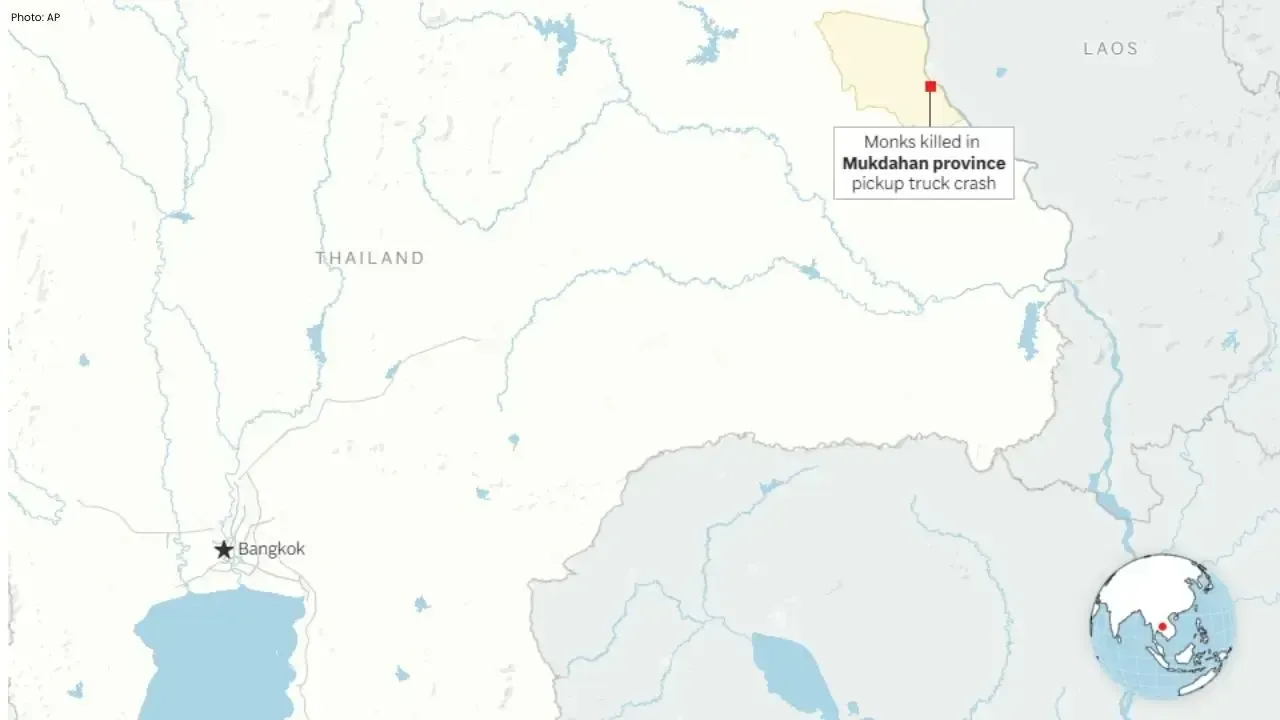
Nine Monks Killed in Thailand Pickup Truck Tragedy
An 11-year-old boy driving a pickup truck crashed into monks during a pilgrimage in northeastern Tha

Anwar Congratulates Xi on CPC's 105th Anniversary
Malaysia reaffirms strong ties with China as PM Anwar Ibrahim sends a congratulatory letter to Presi