
You have not yet added any article to your bookmarks!
Join 10k+ people to get notified about new posts, news and tips.
Do not worry we don't spam!
Post by : Saif Rahman
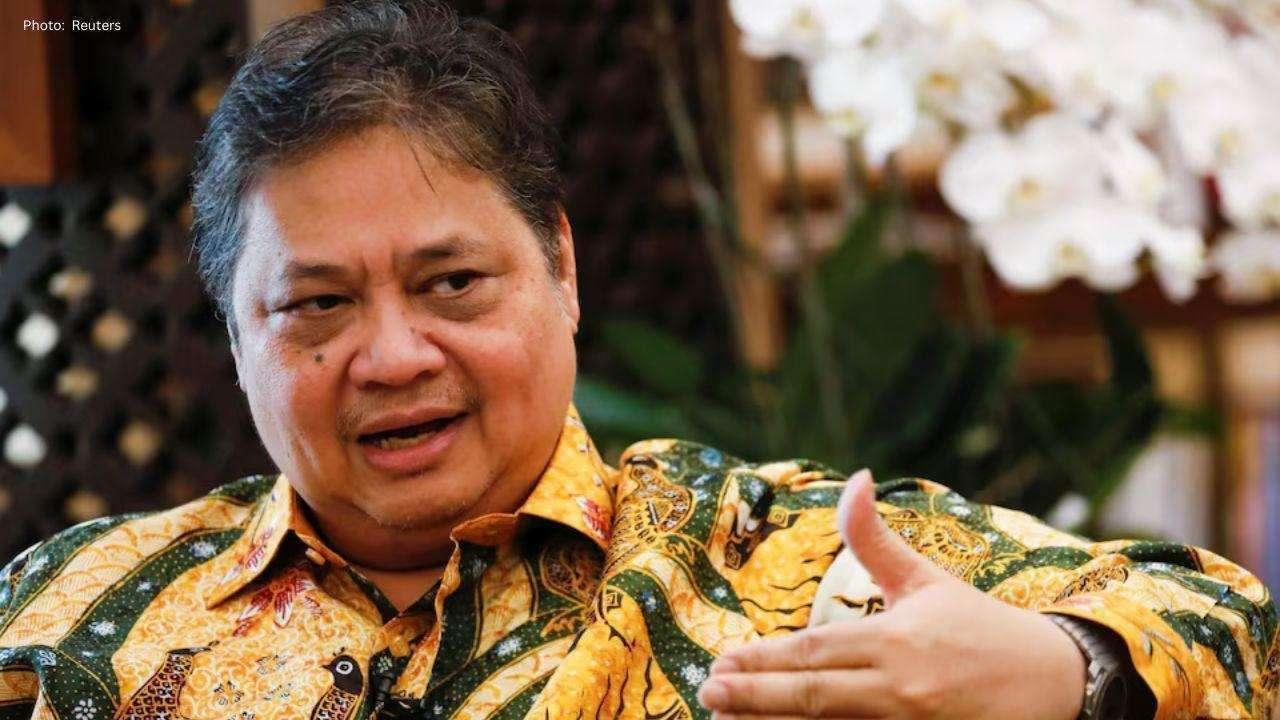
Indonesia has announced its expectation to conclude tariff discussions with the United States by the end of this year. This optimism follows a period of uncertainty, with doubts raised about the continuation of negotiations. A delegation from Indonesia is set to head to Washington next week to advance these critical discussions for the nation's economic landscape.
This week, the United States expressed concern that Indonesia had retraced its earlier commitments, sparking fears of a potential halt in negotiations during a crucial phase. However, Indonesian officials reassured that such worries were unwarranted, explaining that both parties were focused on refining the precise terms of the agreement—often the most challenging aspect of trade talks.
The discussions gained new traction last Thursday during a video conference between Airlangga Hartarto, Indonesia’s senior economic minister, and U.S. Trade Representative Jamieson Greer. Airlangga stated that both sides hope to finalize the agreement based on the declaration made by the leaders on July 22, though further details remain undisclosed due to a confidentiality agreement.
Critically, questions linger about whether the U.S. requires Indonesia to consent to a provision mandating notification for future trade agreements with other nations. Airlangga clarified that such a clause pertains to a different agreement, not the current negotiations. Uncertainties remain over Indonesia's stance regarding this prerequisite, especially as similar terms feature in agreements signed with Malaysia and Cambodia earlier this year, which allow the U.S. to revoke the deal if new agreements hinder its interests.
Finalizing this agreement is vital for Indonesia, given the significant role of the U.S. in its export market, particularly for textiles, footwear, and palm oil. A stable tariff arrangement is crucial to safeguarding these sectors and maintaining the competitiveness of Indonesian products. Earlier this year, U.S. tariffs on Indonesian imports decreased from 32% to 19%, following Indonesia's commitments to lower tariffs on almost all American goods and remove non-tariff barriers impacting U.S. businesses. Both economies rely on each other, and a failed negotiation could pose challenges for enterprises in both nations.
As Indonesian officials prepare to arrive in Washington soon, the upcoming week is pivotal for resolving outstanding matters in the negotiations. Both countries exhibit strong motivations to hasten the deal’s finalization. The U.S. seeks clear assurances to safeguard its strategic interests, while Indonesia aims for equitable access to the largest consumer market globally. Achieving a successful outcome might signify a substantial leap towards enhanced economic collaboration between the two nations.
Currently, both parties seem dedicated to concluding these negotiations. Optimism remains that a finalized agreement will provide stability in an area increasingly shaped by global competition and evolving political landscapes. As the year's end approaches, Indonesia expresses confidence that a deal is within their grasp.
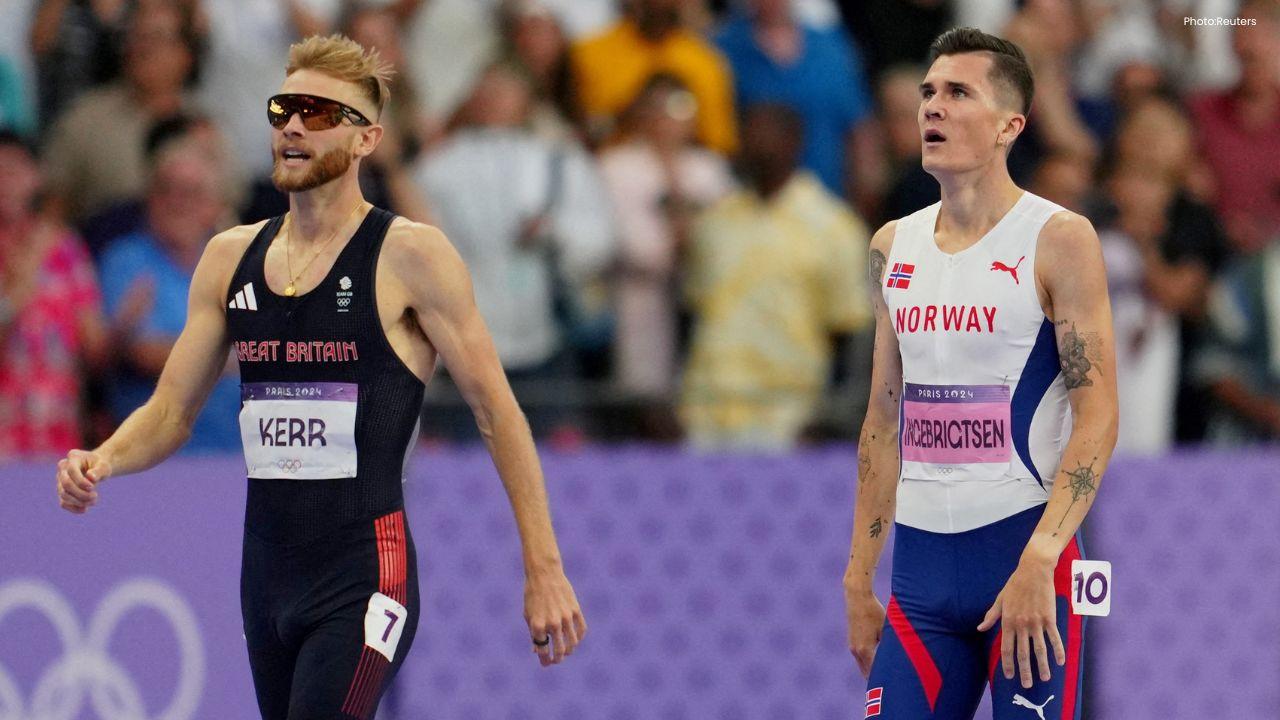






Josh Kerr and Jakob Ingebrigtsen Set for 1,500m Rivalry Rematch
Josh Kerr and Jakob Ingebrigtsen will renew their 1,500m rivalry at the Ultimate Championship in Bud

PSG Coach Luis Enrique Urges Players to Step Outside Comfort Zone
PSG coach Luis Enrique says players must leave their comfort zone and keep improving as the club tar

China’s Tiangong Sets New 400m Record at Robot Olympics
China’s Tiangong robot sets a new 400m record at the Robot Olympics, beating a South African robot i

George Russell Wins Dutch GP Sprint, Boosts Mercedes Morale
George Russell wins the Dutch GP Sprint from pole as Mercedes teammate Kimi Antonelli extends his F1

Australia 50/3 After Bangladesh Bowled Out for 64 in Second Test
Australia reached 50/3 after Bangladesh were bowled out for 64 in the second Test, with Mitchell Sta

Jordan Burroughs Returns to Wrestling with 2028 Olympic Dream
Jordan Burroughs returns to wrestling with Real American Freestyle as the Olympic champion eyes a po

