You have not yet added any article to your bookmarks!
Join 10k+ people to get notified about new posts, news and tips.
Do not worry we don't spam!
Post by : Anis Farhan
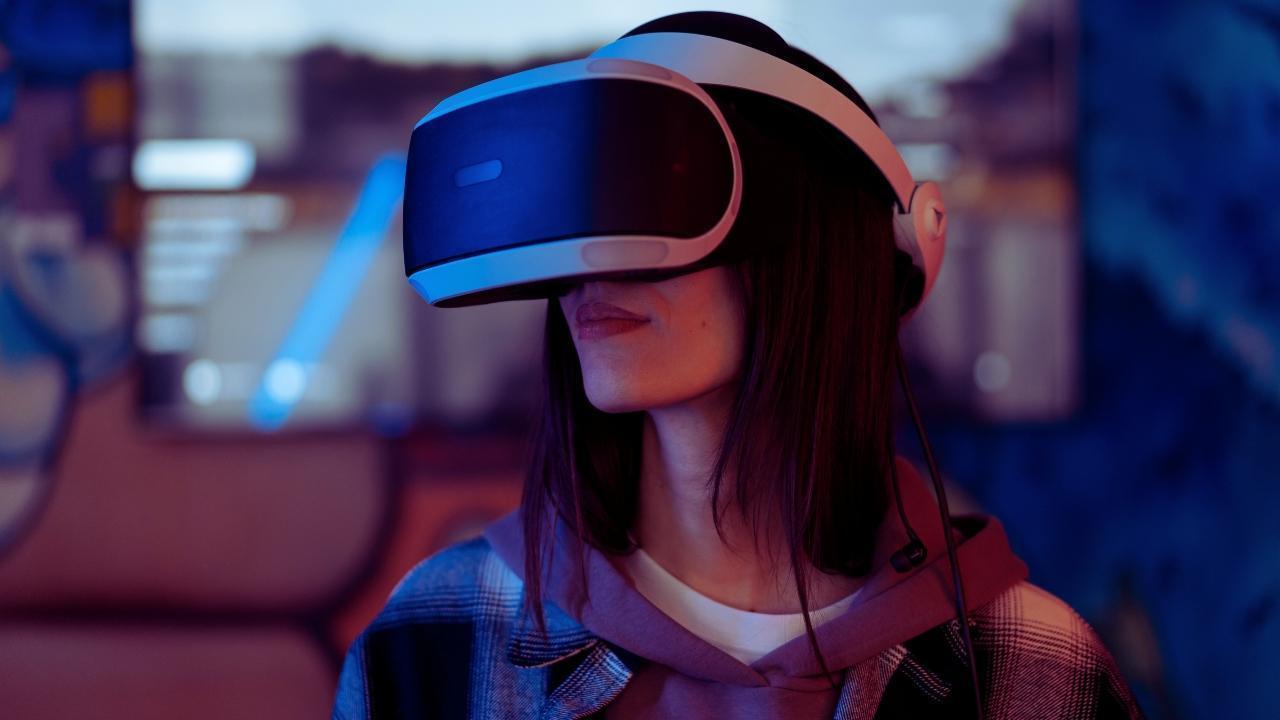
Virtual reality (VR) has long been associated with video games, where players slip on a headset and enter fully immersive digital worlds. But in the last decade, VR has stepped out of the gaming niche and into the mainstream as a powerful tool for training, design, collaboration, and public engagement. From corporate boardrooms to hospital operating rooms, and from art museums to urban planning departments, VR is proving that its potential extends far beyond fun and fantasy.
The technology works by creating a 360-degree simulated environment that users can interact with in real time. When combined with tactile controllers, motion tracking, and realistic sound, VR offers an experience that feels convincingly real — a quality that industries are harnessing in surprising ways.
Perhaps one of the most impactful uses of VR is in education and skills training. Unlike traditional classrooms or online learning, VR allows students to step into a subject, experiencing it first-hand.
In science education, for example, VR lets students explore the inside of a human cell or walk across the surface of Mars. In vocational training, aspiring mechanics can practice assembling engines, while medical students can rehearse complex surgeries in risk-free virtual environments.
One standout example is how the aviation industry uses VR simulators to train pilots. The technology allows trainees to encounter emergency situations, turbulent weather, and mechanical failures — scenarios that are costly and dangerous to replicate in real life.
In healthcare, VR is being used for both treatment and training. Surgeons can rehearse intricate procedures, studying a patient’s anatomy in 3D before the operation. In mental health therapy, VR has proven effective in exposure treatments for phobias, PTSD, and anxiety disorders.
For example, a patient with a fear of heights might be gradually exposed to virtual scenarios involving tall buildings, allowing them to build tolerance in a safe, controlled setting. Physical rehabilitation programs also use VR games to encourage movement in stroke or injury patients, making therapy more engaging and measurable.
The COVID-19 pandemic accelerated the need for remote work tools, and VR stepped in as an unexpected solution. Companies began experimenting with virtual meeting rooms where teams could gather as avatars, share presentations, and brainstorm on interactive whiteboards.
For industries like architecture and engineering, VR enables teams to walk through building designs before construction begins, spotting potential problems and making adjustments in real time. This collaborative approach not only saves money but also reduces costly errors during the building phase.
Museums and cultural institutions are increasingly using VR to make their collections accessible to global audiences. Historical landmarks can be recreated in 3D, allowing people to “visit” them without leaving home. This is particularly valuable for sites that are fragile, remote, or under threat from climate change.
For example, UNESCO heritage sites like the ruins of Palmyra in Syria have been digitally reconstructed in VR, preserving them for educational and cultural purposes despite damage in the real world. In tourism, VR previews are being used to inspire travel, letting potential visitors virtually explore hotels, resorts, and destinations before booking.
One of the most unexpected arenas for VR adoption is government and city planning. Urban planners can use VR to visualize how proposed infrastructure projects will look and function before they are built. Citizens can “walk through” future parks, public transport hubs, or housing developments to provide feedback during the planning process.
In Singapore, city authorities have used VR to simulate flood management systems, helping decision-makers understand how new drainage or levee projects would perform under extreme weather conditions. This immersive approach leads to more informed policy-making and stronger community engagement.
Emergency response agencies are turning to VR for disaster preparedness training. Firefighters, police, and rescue teams can train in realistic but safe simulations of floods, earthquakes, or hazardous chemical spills. These virtual drills allow teams to rehearse coordinated responses without endangering lives or resources.
The military also uses VR for mission rehearsals, battlefield simulations, and equipment training, allowing personnel to practice under conditions that mimic real-life combat scenarios without the associated risks.
Retailers are leveraging VR to create interactive shopping experiences. Instead of browsing through flat product images, customers can enter virtual showrooms, “try on” clothes, or visualize how furniture will look in their living room.
IKEA, for instance, offers VR experiences where users can design and navigate a custom kitchen layout before making a purchase. Similarly, automotive brands are creating VR car configurators that allow potential buyers to explore every feature and color option without stepping into a dealership.
In sports, VR is enhancing both athlete performance and fan engagement. Athletes can review game scenarios from a first-person perspective, improving strategy and reaction times. Fans, on the other hand, can experience live matches from virtual courtside seats, creating an immersive viewing experience without the travel costs.
In entertainment, VR concerts and theatre performances are opening new revenue streams for artists while allowing global audiences to enjoy shows in real time.
Despite its potential, VR adoption still faces hurdles. High-quality VR systems can be expensive, and users often need powerful computers to run them. Some people experience motion sickness or eye strain during prolonged use.
There’s also the question of accessibility — not everyone has access to VR equipment or high-speed internet, which could create a digital divide in how the technology is used and who benefits from it.
Privacy and data security are additional concerns. As VR becomes more interactive and personalized, it collects sensitive biometric data, which must be protected to prevent misuse.
The future of VR lies in making the technology more affordable, comfortable, and socially integrated. Standalone headsets that don’t require cables or external computers are already making VR more user-friendly. Advances in haptic feedback — where gloves or suits simulate touch — will make virtual experiences even more lifelike.
In the coming years, VR is likely to merge with augmented reality (AR) to create mixed reality environments. This hybrid approach will allow users to interact with digital objects in the real world, further expanding VR’s role in education, healthcare, governance, and beyond.
What began as a gaming novelty is rapidly becoming a multi-industry powerhouse. The same immersive qualities that make VR appealing to gamers are now helping doctors perform surgeries, architects design safer buildings, teachers inspire students, and governments engage citizens in decision-making.
The shift from play to policy reflects a broader truth about technology: once a tool proves its value, it will find applications far beyond its original purpose. VR is no longer just entertainment — it’s a window into the future of how we learn, work, heal, and govern.
This article is for informational purposes only and does not endorse or promote specific VR products or brands. Readers should consult official sources, industry experts, or product documentation before making purchasing or implementation decisions related to virtual reality technology.



Lamborghini Catches Fire on Singapore's ECP, Causing Heavy Traffic
A Lamborghini caught fire on Singapore's ECP, causing heavy traffic and bus delays. No injuries were

Bangkok Airport Duty-Free Area Flooded by Pipe Burst
A burst water pipe flooded the duty-free shopping area at Bangkok's Suvarnabhumi Airport on July 16,
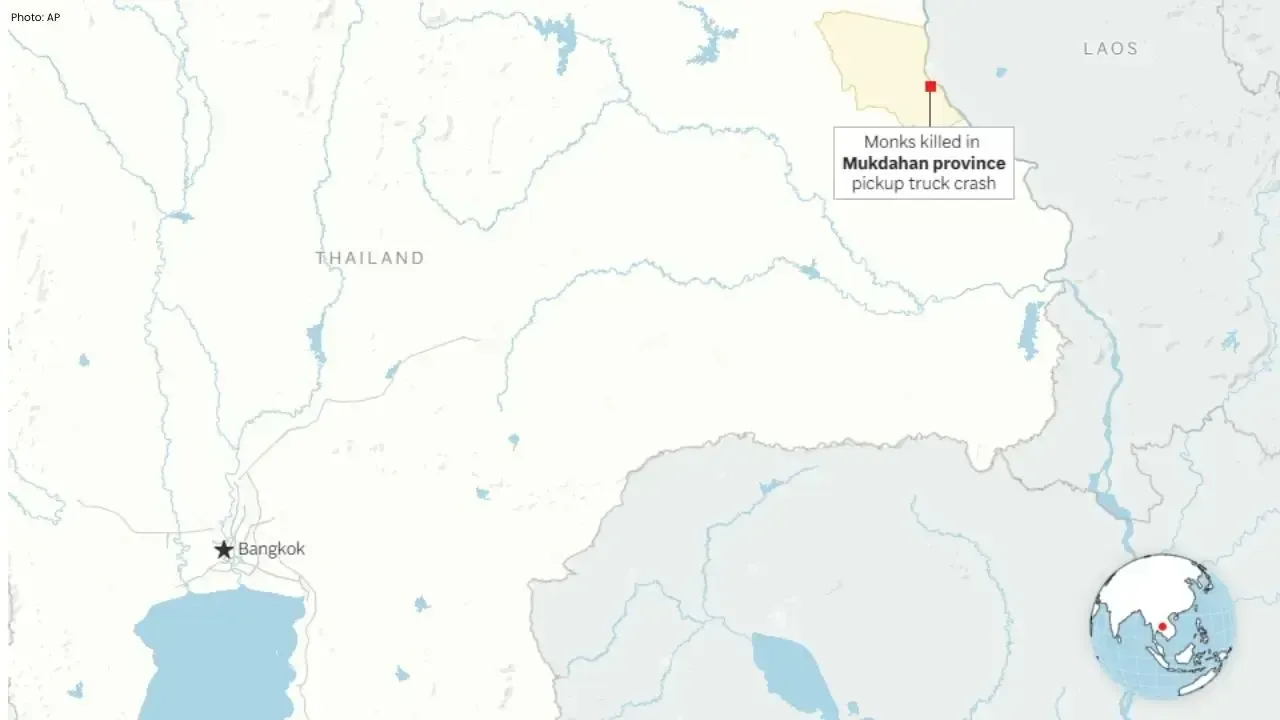
Nine Monks Killed in Thailand Pickup Truck Tragedy
An 11-year-old boy driving a pickup truck crashed into monks during a pilgrimage in northeastern Tha
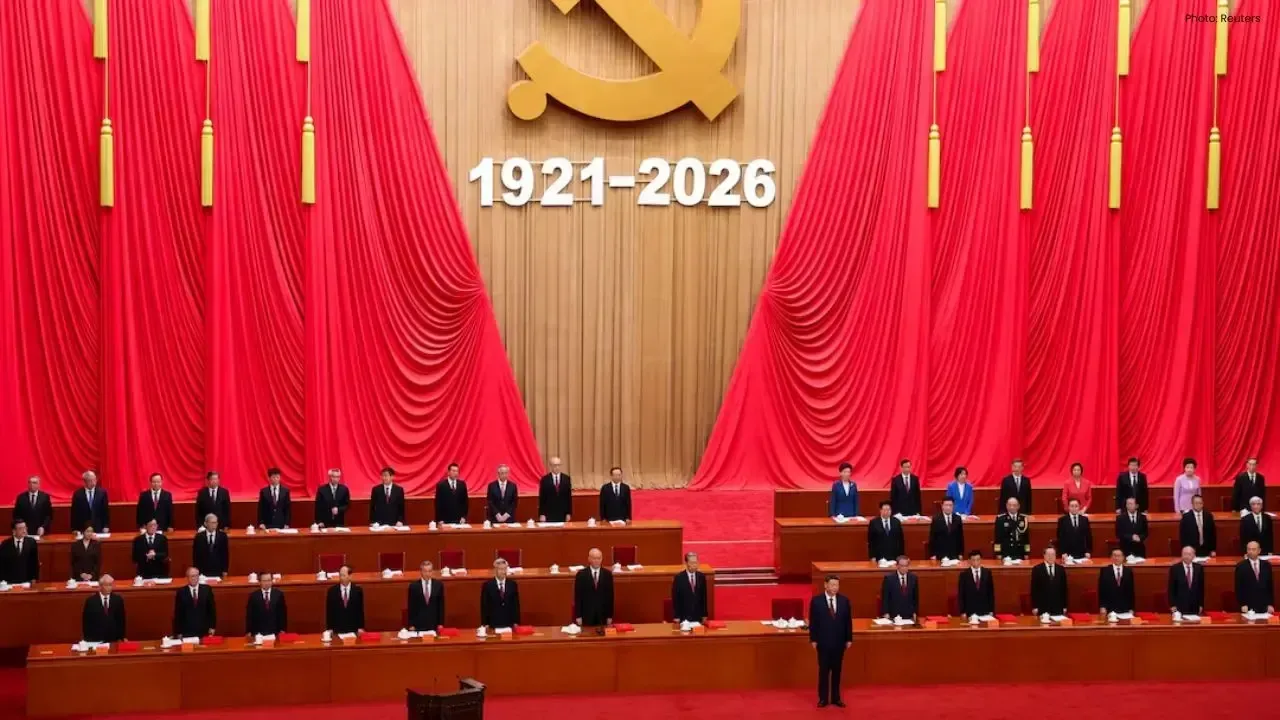
Anwar Congratulates Xi on CPC's 105th Anniversary
Malaysia reaffirms strong ties with China as PM Anwar Ibrahim sends a congratulatory letter to Presi
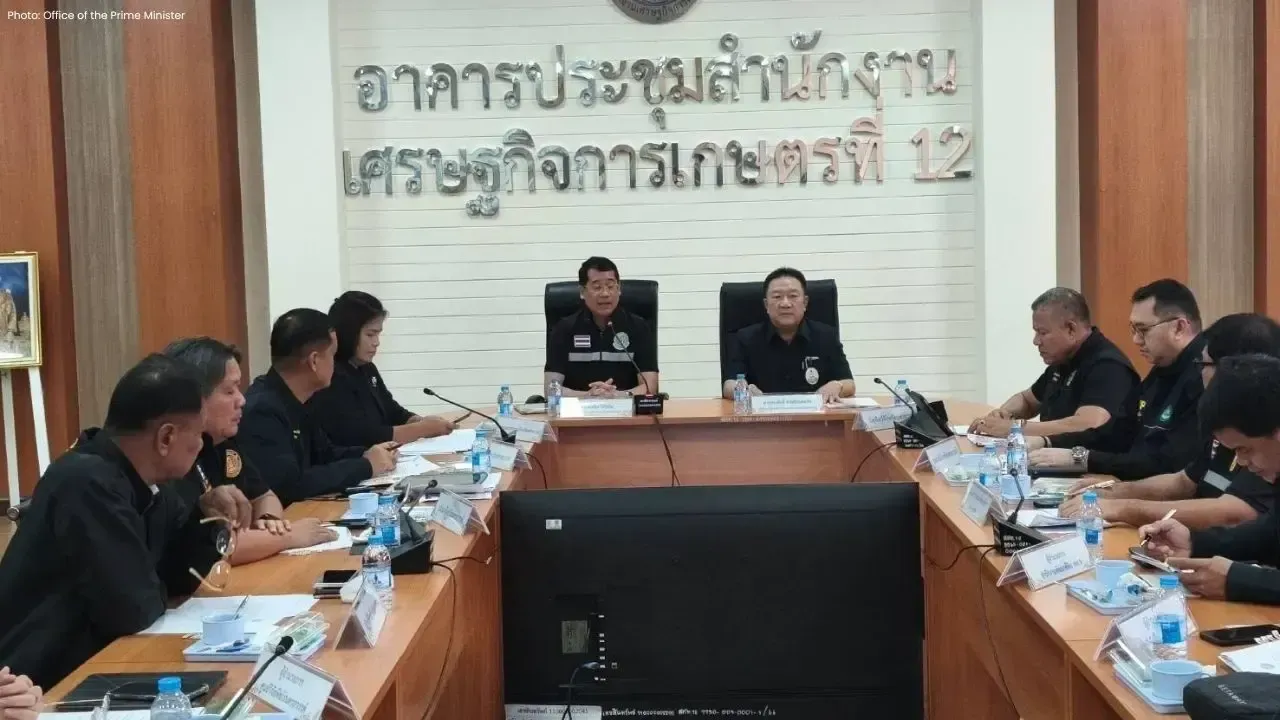
Thai Agriculture Team Reviews 2026 Farm Development Plans
Agriculture Ministry officials inspected livestock and organic rice projects in Nakhon Sawan to moni
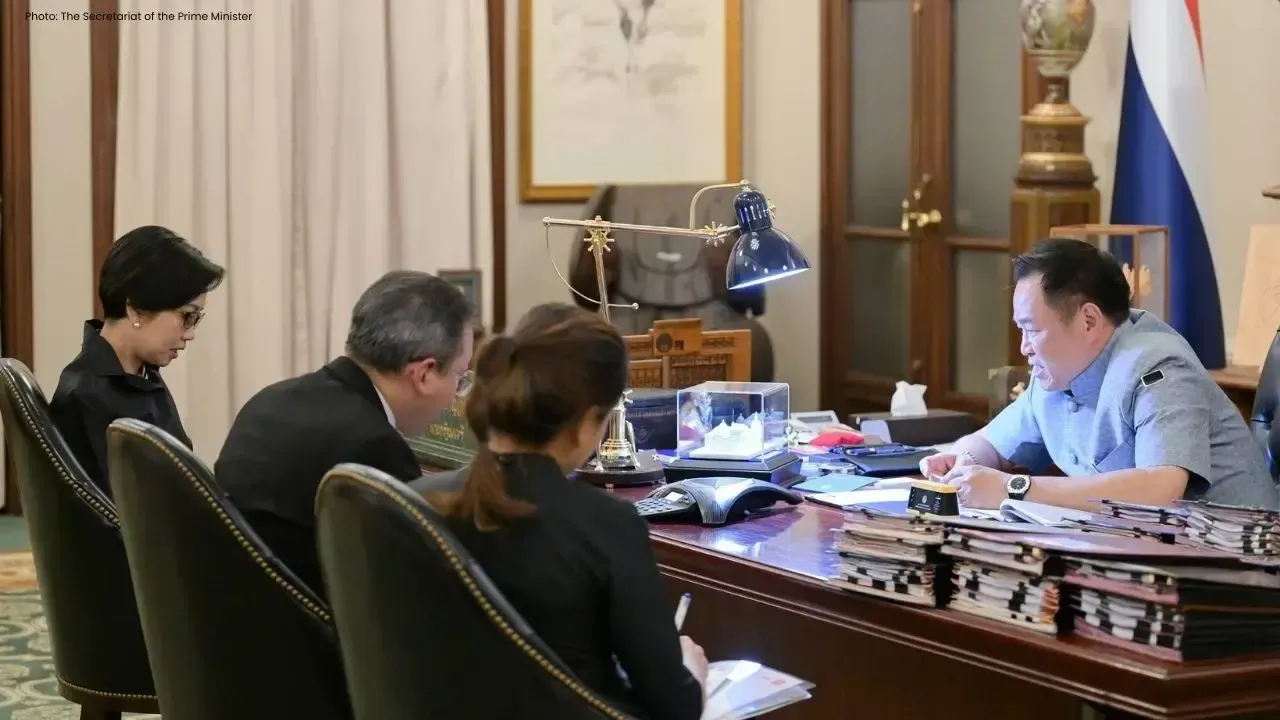
Thailand, Canada Boost Ties in PM-Level Phone Talks
Thailand and Canada agreed to strengthen trade, security, OECD cooperation and ASEAN-Canada FTA talk