
You have not yet added any article to your bookmarks!
Join 10k+ people to get notified about new posts, news and tips.
Do not worry we don't spam!

Post by : Saif Rahman
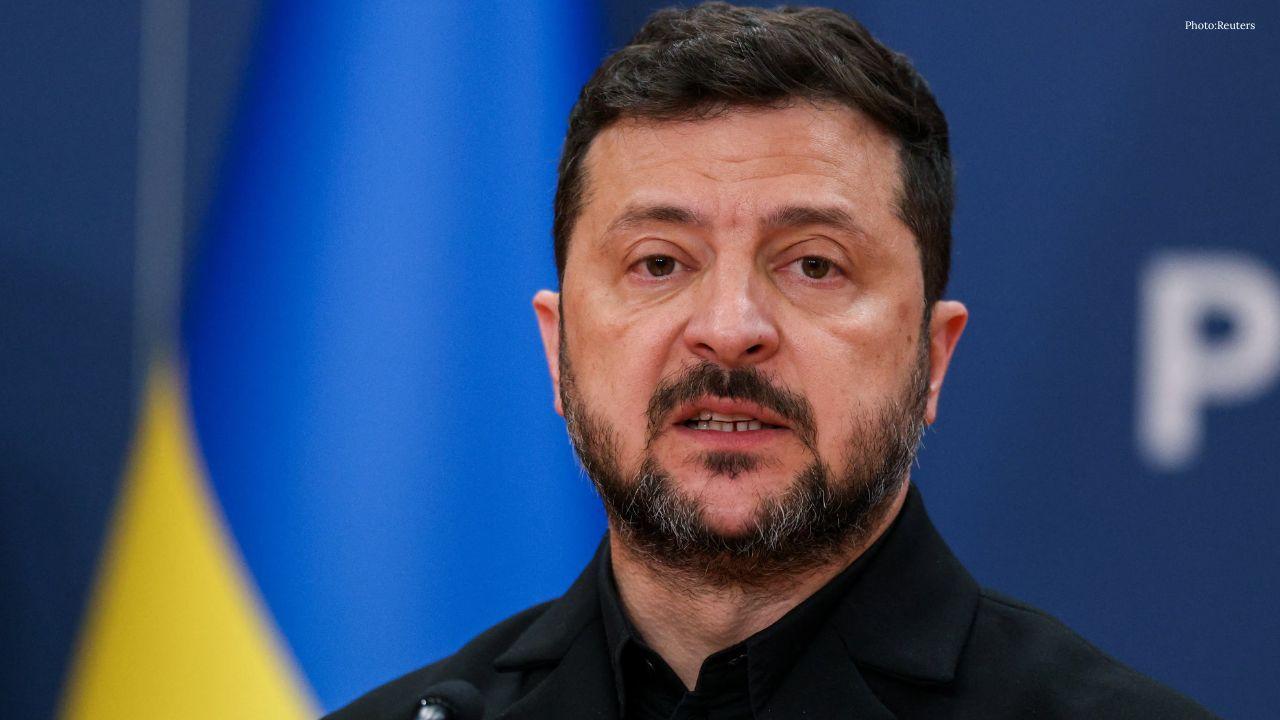
The European Union is considering a strategy to allocate billions in frozen Russian assets to bolster Ukraine’s defense and budget during 2026 and 2027, aligning with international regulations that prohibit the confiscation of sovereign funds.
According to the proposal, member states could utilize as much as 165 billion euros from the total 210 billion euros of Russian central bank assets currently frozen in Europe. A significant portion of these funds is managed by Euroclear, Belgium's central securities depository. As Russian bonds held there have matured, the resulting cash has remained in deposits at the European Central Bank due to EU sanctions.
Rather than leaving these funds dormant, the EU intends to invest the cash into zero-coupon bonds issued by the European Commission. These bonds would yield no interest for Russia, ensuring Moscow maintains ownership while enabling the EU to extend a “Reparations Loan” to Ukraine. This means Ukraine would access the funds instantly, repaying only once it has secured reparations from Russia after a future peace agreement.
Globally, around 300 billion dollars of Russian sovereign assets are frozen, with 210 billion euros located in Europe. Out of this, approximately 176 billion euros in Euroclear have turned liquid, and another 9 billion euros are set to mature in 2026 and 2027. Other frozen assets in France and other EU nations might also be factored in, though these accrue interest that complicates the overall scheme.
Prior to the allocation of these funds, it might be necessary for the EU to first settle part of a 45 billion euro Group of Seven loan agreed upon for Ukraine last year. Therefore, the effective pool available for the Reparations Loan is estimated at 165 billion euros.
Crucially, this framework circumvents the confiscation of Russia’s assets. Russia retains legal ownership, while EU institutions would replace the cash with AAA-rated European Commission bonds on their balance sheets, maintaining adherence to international norms.
The financial burden is distributed among EU nations. The main concern arises if the EU is compelled to return the funds to Russia before Ukraine has received reparations. Nonetheless, EU leaders have recently consented to keep these assets frozen indefinitely, significantly lowering the risk of unintended release. The guarantees will only be utilized should EU states decide to unfreeze the assets prior to Ukraine receiving its reparations.
This initiative embodies the EU’s commitment to fortifying Ukraine’s defense and economic resilience while adhering to legal constraints regarding the use of frozen foreign assets. It underscores the innovative financial approaches being devised in Europe against the backdrop of the ongoing conflict in Ukraine.
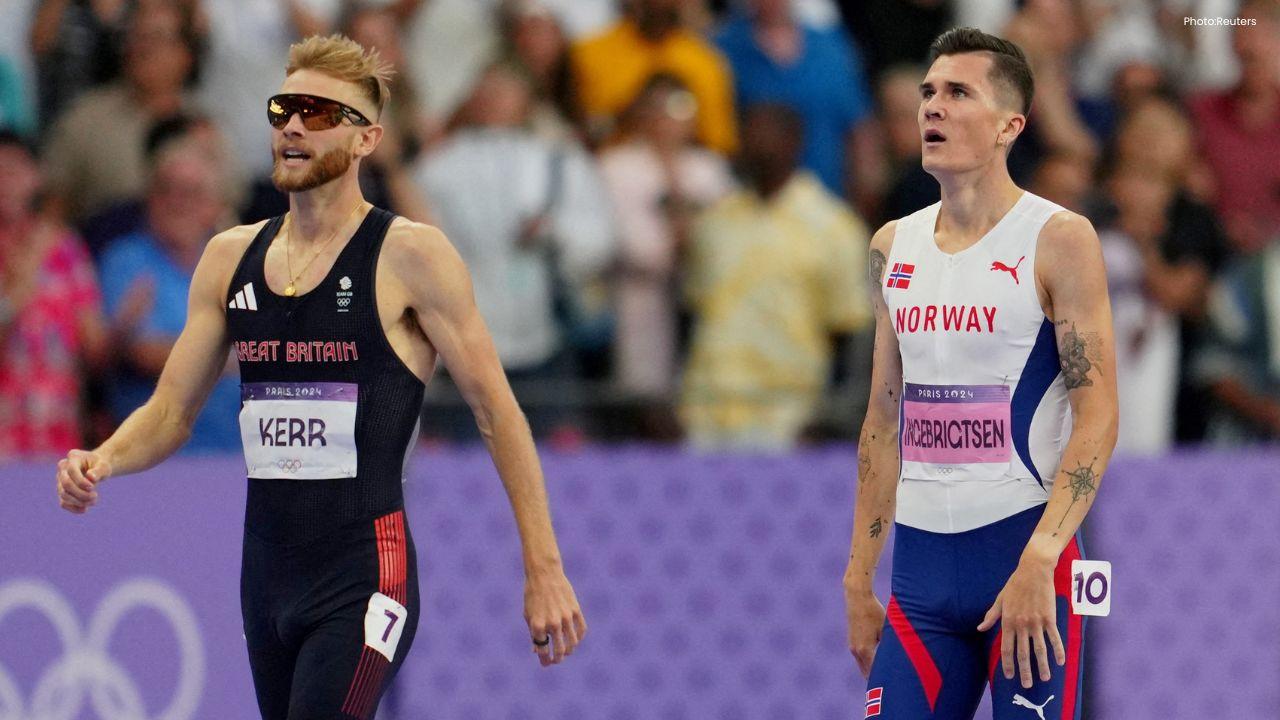




Josh Kerr and Jakob Ingebrigtsen Set for 1,500m Rivalry Rematch
Josh Kerr and Jakob Ingebrigtsen will renew their 1,500m rivalry at the Ultimate Championship in Bud

PSG Coach Luis Enrique Urges Players to Step Outside Comfort Zone
PSG coach Luis Enrique says players must leave their comfort zone and keep improving as the club tar

China’s Tiangong Sets New 400m Record at Robot Olympics
China’s Tiangong robot sets a new 400m record at the Robot Olympics, beating a South African robot i

George Russell Wins Dutch GP Sprint, Boosts Mercedes Morale
George Russell wins the Dutch GP Sprint from pole as Mercedes teammate Kimi Antonelli extends his F1

Australia 50/3 After Bangladesh Bowled Out for 64 in Second Test
Australia reached 50/3 after Bangladesh were bowled out for 64 in the second Test, with Mitchell Sta

Jordan Burroughs Returns to Wrestling with 2028 Olympic Dream
Jordan Burroughs returns to wrestling with Real American Freestyle as the Olympic champion eyes a po

