You have not yet added any article to your bookmarks!
Join 10k+ people to get notified about new posts, news and tips.
Do not worry we don't spam!
Post by : Rameen Ariff
Diwali, also called Deepavali, is one of the most important and widely celebrated festivals in Asia. Known as the Festival of Lights, it represents the triumph of good over evil, light over darkness, and knowledge over ignorance. This festival is celebrated with lights, fireworks, sweets, prayers, and family gatherings. Diwali is not only a religious festival but also a cultural celebration that unites people across communities and countries.
Diwali has a rich history that spans thousands of years and is mentioned in several ancient Hindu scriptures. The festival has multiple legends and mythological stories associated with it, which vary by region and religion:
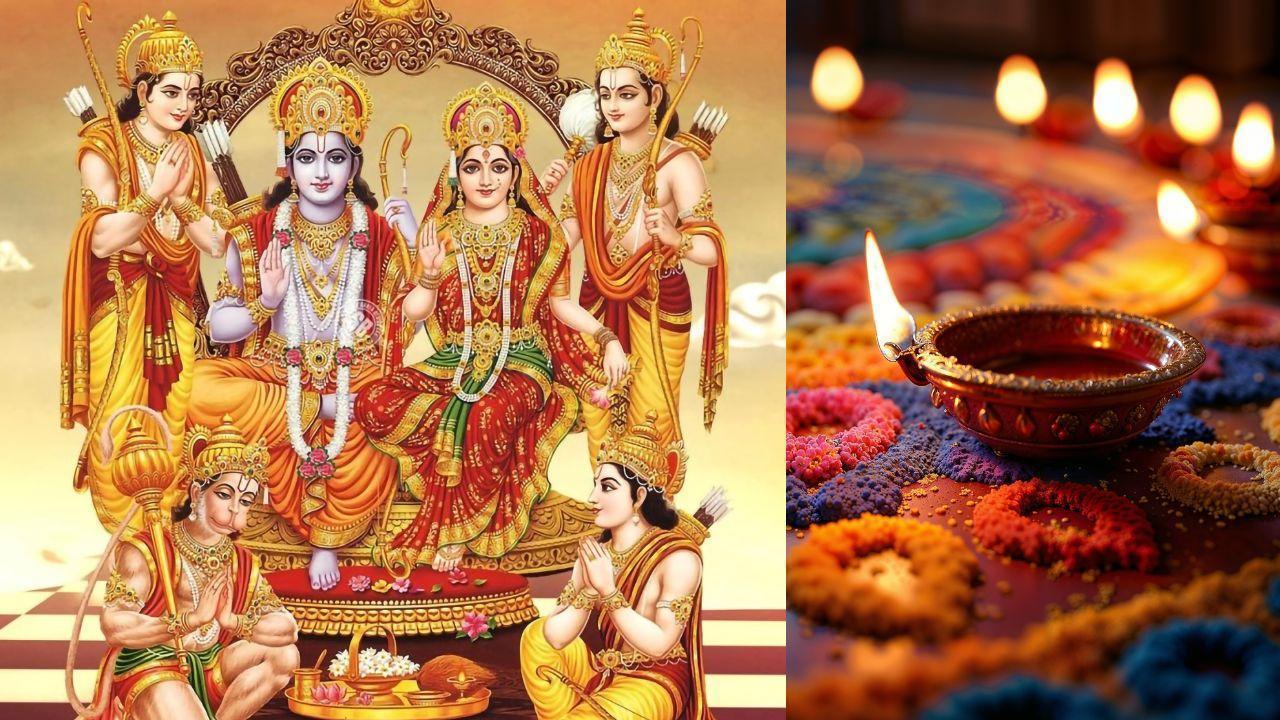
The most famous story comes from the epic Ramayana. After defeating the demon king Ravana and completing 14 years of exile, Lord Rama returned to Ayodhya. To welcome him, people lit thousands of oil lamps (diyas) across the city. This symbolizes victory of righteousness and good over evil, forming the basis of the Diwali tradition of lighting lamps.
Diwali is dedicated to Goddess Lakshmi, the goddess of wealth and prosperity. It is believed that she visits homes that are clean, pure, and well-lit on Diwali night. Families perform Lakshmi Puja to seek her blessings for wealth, success, and happiness in the coming year.
According to legend, Lord Krishna defeated the demon Narakasura, who terrorized people and kidnapped 16,100 women. Narakasura was killed on the day before Diwali, which is celebrated as Narak Chaturdashi, marking the victory of good over evil.
In Sikhism, Diwali marks the release of Guru Hargobind Ji and 52 other princes from prison in 1619. The Golden Temple in Amritsar is illuminated with thousands of lights.
In Jainism, Diwali commemorates the Nirvana of Lord Mahavira, the last Tirthankara, symbolizing spiritual liberation.
Different regions in India have their own legends and significance for Diwali. For example, in Bengal, Kali Puja is celebrated instead of Lakshmi Puja, while in South India, Diwali marks Krishna’s victory over Narakasura.
Diwali is celebrated not just as a festival but also for its spiritual, social, and cultural values:
Spiritual Growth: Diwali encourages people to eliminate negativity, ignorance, and evil from their lives, promoting inner reflection and righteousness.
Family and Social Bonds: It is a time to forgive, reconcile, and strengthen family and community ties. Gifts, sweets, and greetings are exchanged among family, friends, and neighbors.
Economic Impact: Diwali boosts business, trade, and commerce. People buy clothes, gifts, sweets, and decorations, creating a festive economic surge.
Cultural Heritage: Diwali preserves and showcases the art, music, traditions, and culinary richness of Asia, making it a festival celebrated across generations.
Lighting Lamps (Diyas) – Lighting oil lamps symbolizes the removal of darkness and ignorance. Homes, streets, and temples are beautifully illuminated.
Rangoli Designs – Colorful patterns made from powdered colors, flowers, and rice are placed at doorsteps to welcome prosperity and positive energy.
Fireworks – Firecrackers are lit to celebrate joy, ward off evil spirits, and signify the victory of good over evil.
Prayers and Pujas – Families perform Lakshmi Puja and other rituals to seek blessings for wealth, health, and happiness.
Exchanging Gifts and Sweets – Sharing gifts and traditional sweets like ladoos, barfis, and pedas is a major part of Diwali celebrations.
New Clothes and Clean Homes – People clean and decorate their homes, wear new clothes, and create a joyful atmosphere to welcome prosperity.
While Diwali originated in India, it is celebrated across many Asian countries, each with its unique traditions and local flavor:
The largest Diwali celebrations occur in India, where the festival lasts five days:
Day 1 – Dhanteras: Buying gold, silver, and utensils.
Day 2 – Narak Chaturdashi/Choti Diwali: Early morning rituals and small fireworks.
Day 3 – Lakshmi Puja/Main Diwali: Worshiping Goddess Lakshmi, lighting diyas, and exchanging gifts.
Day 4 – Govardhan Puja/Annakut: Celebrating Krishna lifting Govardhan Hill in some regions.
Day 5 – Bhai Dooj: Celebrating brother-sister relationships.
Tihar is a five-day festival similar to Diwali, focusing on:
Worship of animals like cows, dogs, and crows.
Honoring brothers and sisters.
Decorating homes with lights, flowers, and colorful rangoli.
Primarily celebrated by the Tamil Hindu community. Temples and homes are decorated, fireworks are lit, and families prepare traditional sweets. Cultural programs and processions are common.
Diwali is a public holiday and is called Deepavali. Streets like Little India are decorated with lights and cultural performances. Communities come together for festive events, markets, and family gatherings.
Balinese Hindus celebrate Diwali with prayers, family gatherings, and cultural events, maintaining traditional rituals on a smaller scale.
Lighting lamps and decorating homes.
Performing traditional rituals.
Sharing sweets and cultural gatherings.
In countries like Fiji, Mauritius, Japan, and the Middle East, Indian diaspora communities celebrate Diwali with temple rituals, prayers, cultural programs, and sharing sweets, maintaining their cultural identity abroad.
Eco-Friendly Celebrations: With rising awareness of pollution, people now use low-smoke firecrackers, organic rangoli colors, and reusable decorations.
Digital Diwali: Many celebrate virtually, sending online greetings, virtual pujas, and digital events.
Corporate and Community Events: Companies organize festive events, cultural programs, and charity drives.
Fusion of Tradition and Modernity: Contemporary Diwali blends traditional rituals with modern lifestyle, technology, and social media, while keeping the essence intact.
Diwali is more than a festival; it is a cultural celebration of values, art, and unity:
Encourages interfaith harmony as people of different religions join in celebrations.
Preserves heritage and traditional art forms, like rangoli, music, and dance.
Boosts community spirit, encouraging sharing, generosity, and cooperation.
Strengthens family bonds and social connections through festive gatherings and rituals.
Diwali is a festival that transcends religion, culture, and geography. From its ancient legends of Lord Rama, Krishna, and Lord Mahavira, to the modern eco-friendly, digital celebrations, Diwali continues to bring light, joy, prosperity, and unity across Asia. Whether it is India, Nepal, Sri Lanka, Malaysia, or Singapore, Diwali spreads happiness and positivity, reminding everyone that good always triumphs over evil.
This festival truly embodies the spirit of light, hope, and togetherness, making it one of the most beloved celebrations in the world.
This article is for informational purposes only. Newsible Asia strives to provide accurate and up-to-date content, but readers are advised to verify details independently. The views expressed in this article are for general knowledge and cultural understanding.

ASML and Zeiss Target Next-Generation Chip Technology in 10 Years
ASML and Carl Zeiss are developing Hyper NA technology to print smaller chip circuits, with the next

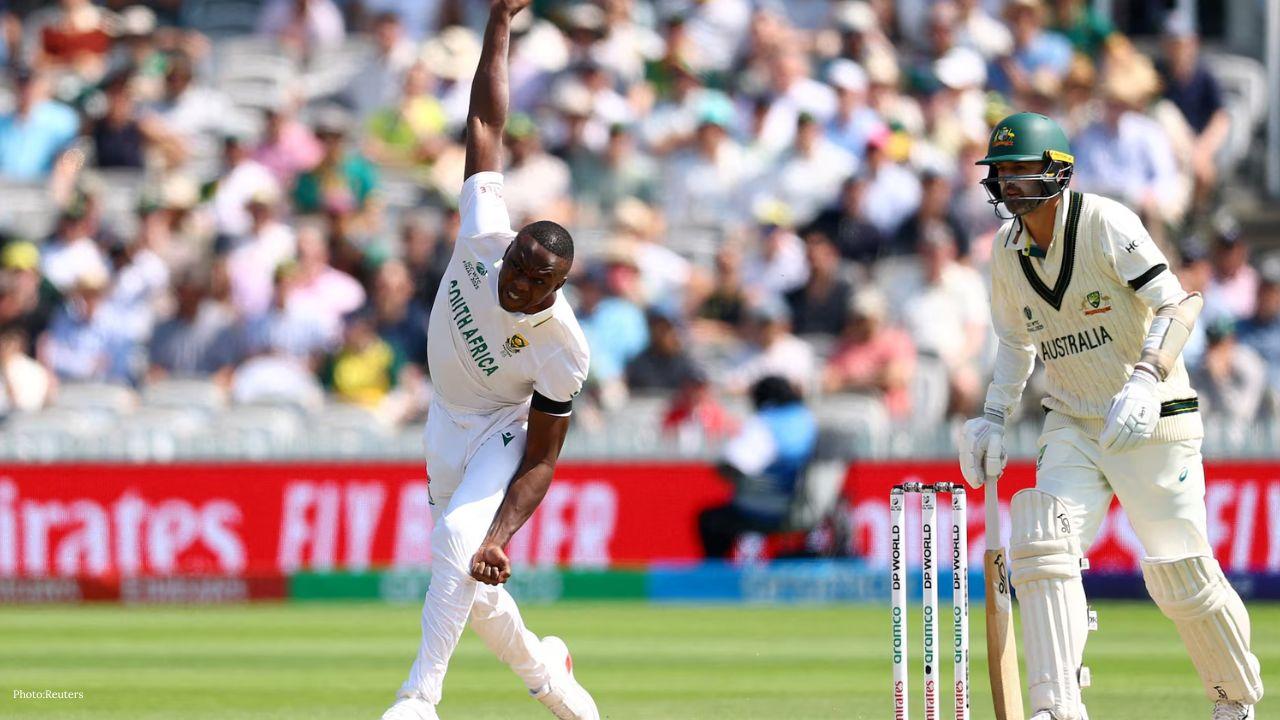
Rabada Misses First Australia Test as South Africa Pick Two Spinners
Kagiso Rabada misses the opener as South Africa vs Australia begins, with Anrich Nortje returning an

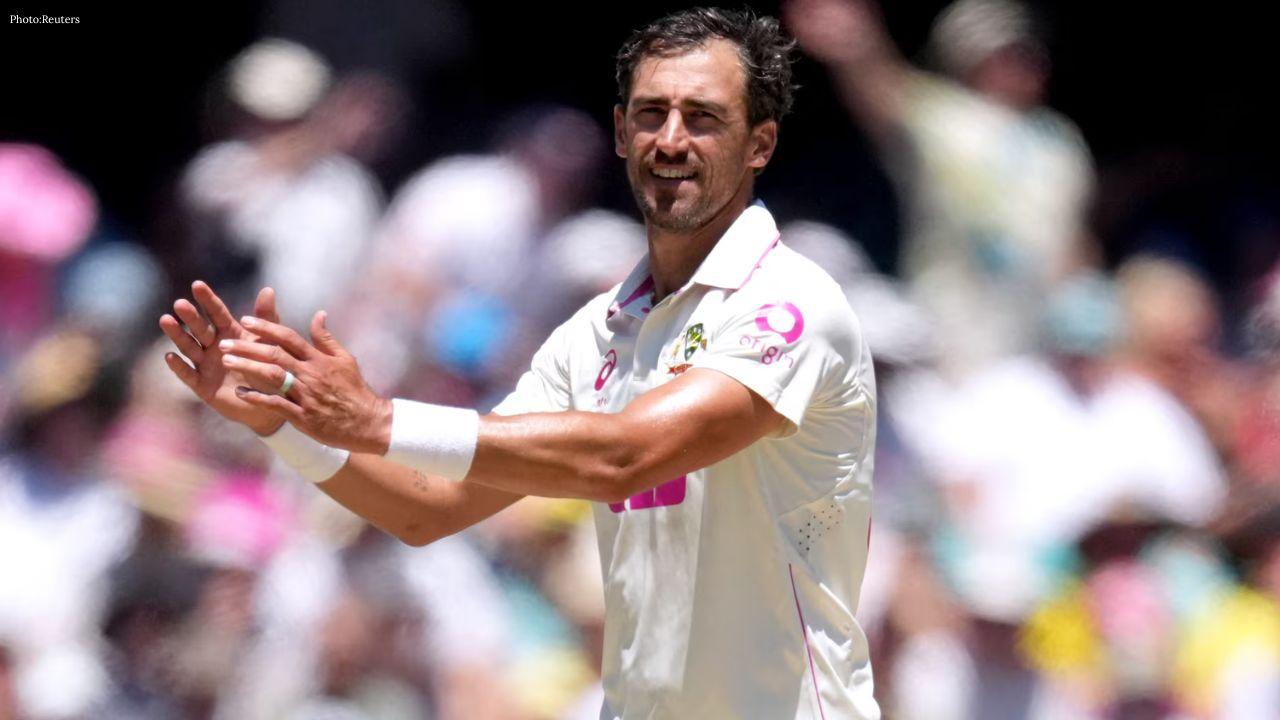
Starc Compares Australia's Tough Year to McIlroy's Major Sweep
Mitchell Starc says Australia winning three away Test series and the World Cup would match Rory McIl

France’s Sesterce Plans $11 Billion AI Data Centre in Finland
Sesterce plans a $11 billion AI data centre in Finland, with major expansion, green energy plans and

Danaher to Launch AI-Powered Autonomous Research Lab in 2027
Danaher plans an AI research lab for 2027, combining robotics and automation to speed up drug discov
Musk Welcomes German Support for Tesla Driver Assistance Tech as EU Approval Push Continues
Elon Musk welcomes Germany's backing for Tesla FSD as the company seeks EU approval amid speed, safe