You have not yet added any article to your bookmarks!
Join 10k+ people to get notified about new posts, news and tips.
Do not worry we don't spam!

Post by : Anis Farhan
The phrase “digital transformation” is no longer a distant buzzword confined to technology conferences or corporate boardrooms. Today, it’s a reality shaping how governments operate and how people live. Across the Middle East and beyond, public institutions are embracing technology to streamline services, improve efficiency, and enhance citizen engagement. What does this mean for ordinary citizens? How does this sweeping digital shift influence our day-to-day lives in ways we may not even notice? From renewing a driving license to accessing healthcare, the transformation is deep, practical, and irreversible.
The Middle East has been at the forefront of adopting e-government solutions, driven by ambitious visions like the UAE’s Smart Government initiative and Saudi Arabia’s Vision 2030. These programs aim to reduce bureaucracy, eliminate paperwork, and make government services accessible at the click of a button.
For citizens, this means tasks that once took hours—or even days—can now be completed in minutes. Whether it’s applying for permits, paying utility bills, or registering a business, digital portals have simplified processes drastically. Imagine standing in long queues at municipal offices under scorching heat; now, these interactions happen virtually, saving both time and effort.
But it’s not just about convenience. Digital transformation also brings transparency. Online systems reduce human intervention, minimizing corruption risks and creating a more accountable framework for service delivery.
Healthcare is one area where government digital initiatives have made a significant impact. Telemedicine platforms, digital health IDs, and online appointment systems are now becoming the norm. During the COVID-19 pandemic, these tools were lifesavers, enabling remote consultations and tracking vaccine rollouts efficiently.
For example, patients can now view their medical history, book a specialist, and even get prescriptions—all without stepping out of their homes. Governments have also integrated artificial intelligence into healthcare, offering predictive analytics for early diagnosis of chronic diseases and better allocation of resources.
This digitization doesn’t just benefit patients. Doctors and medical staff can manage data more effectively, reducing errors and improving treatment outcomes. The ripple effect? A healthier, more informed population that can access care when needed, without barriers.
The education sector is another arena witnessing rapid transformation. Government-supported e-learning platforms and digital classrooms are no longer temporary solutions; they’ve become an essential part of the education ecosystem. Countries like the UAE and Qatar have invested heavily in educational technology, ensuring students can continue learning regardless of disruptions like pandemics or geographical limitations.
Parents no longer have to worry about school closures derailing their children’s progress. Online portals now provide lesson plans, assessments, and interactive tools, making education more personalized and engaging. Additionally, governments are collaborating with tech giants to equip schools with smart boards and students with tablets, bridging the digital divide.
Digital transformation is not only about convenience; it’s also about safety and security. Smart city projects across the Middle East leverage surveillance cameras, IoT sensors, and AI-driven systems to enhance public safety. From real-time traffic monitoring to predicting crime hotspots, these tools empower authorities to act faster and more efficiently.
Emergency response systems have also improved drastically. Citizens can report incidents through mobile apps, track emergency services in real time, and receive instant updates on safety advisories. This kind of connected ecosystem ensures a faster, more reliable response to crises—whether it’s a natural disaster, road accident, or security threat.
Government digital transformation also has profound economic implications. For businesses, digital platforms mean easier licensing processes, faster approvals, and reduced operational bottlenecks. Entrepreneurs no longer need to navigate complex layers of bureaucracy; instead, they can focus on innovation and growth.
Employment opportunities are also expanding. As governments digitize, they create new roles in IT infrastructure, cybersecurity, data analytics, and service management. This shift not only modernizes the workforce but also equips young people with the digital skills needed to thrive in a technology-driven economy.
While the benefits are undeniable, the journey toward complete digital transformation is not without challenges. One significant concern is the digital divide. Not everyone has equal access to high-speed internet, smartphones, or digital literacy programs. Rural areas and marginalized communities risk being left behind if proactive measures aren’t taken.
Cybersecurity is another pressing issue. As governments digitize sensitive services like healthcare, taxation, and identity management, the threat of cyberattacks grows. Ensuring robust security frameworks, regular audits, and public awareness campaigns is critical to safeguarding this ecosystem.
The beauty of digital transformation lies in its subtlety. Many citizens don’t consciously notice the change, yet they experience its impact daily. Consider this: renewing your passport in minutes instead of weeks, checking property records online without visiting an office, or getting real-time updates on government schemes via SMS. These seemingly small conveniences collectively transform the rhythm of life, freeing up time and reducing stress.
Moreover, digital governance fosters inclusivity. People with disabilities, for instance, find it easier to access services from home without physical barriers. Similarly, expatriates can manage legal or financial obligations in their home countries remotely, bridging geographical gaps.
The future promises even more exciting possibilities. Governments are exploring blockchain for secure transactions, AI for predictive policy-making, and virtual reality for citizen engagement. The concept of “digital twins” for cities—virtual replicas that help simulate and manage urban infrastructure—is already under development in several Gulf nations.
Additionally, the push toward paperless governments aligns with sustainability goals, reducing environmental impact while promoting efficiency. As technologies like 5G and quantum computing mature, the scope of digital governance will only expand.
At its core, government digital transformation is not about technology for technology’s sake; it’s about improving human lives. Whether you’re a student attending online classes, a business owner applying for permits, or a senior citizen booking a healthcare appointment, these changes touch you personally. They redefine what it means to interact with the state—not as a distant, bureaucratic entity, but as an accessible, responsive partner in your everyday life.
This article provides a general overview of government digital transformation and its impact on citizens. It does not reflect the policies of any single nation and is intended for informational purposes only.










Lamborghini Catches Fire on Singapore's ECP, Causing Heavy Traffic
A Lamborghini caught fire on Singapore's ECP, causing heavy traffic and bus delays. No injuries were

Bangkok Airport Duty-Free Area Flooded by Pipe Burst
A burst water pipe flooded the duty-free shopping area at Bangkok's Suvarnabhumi Airport on July 16,
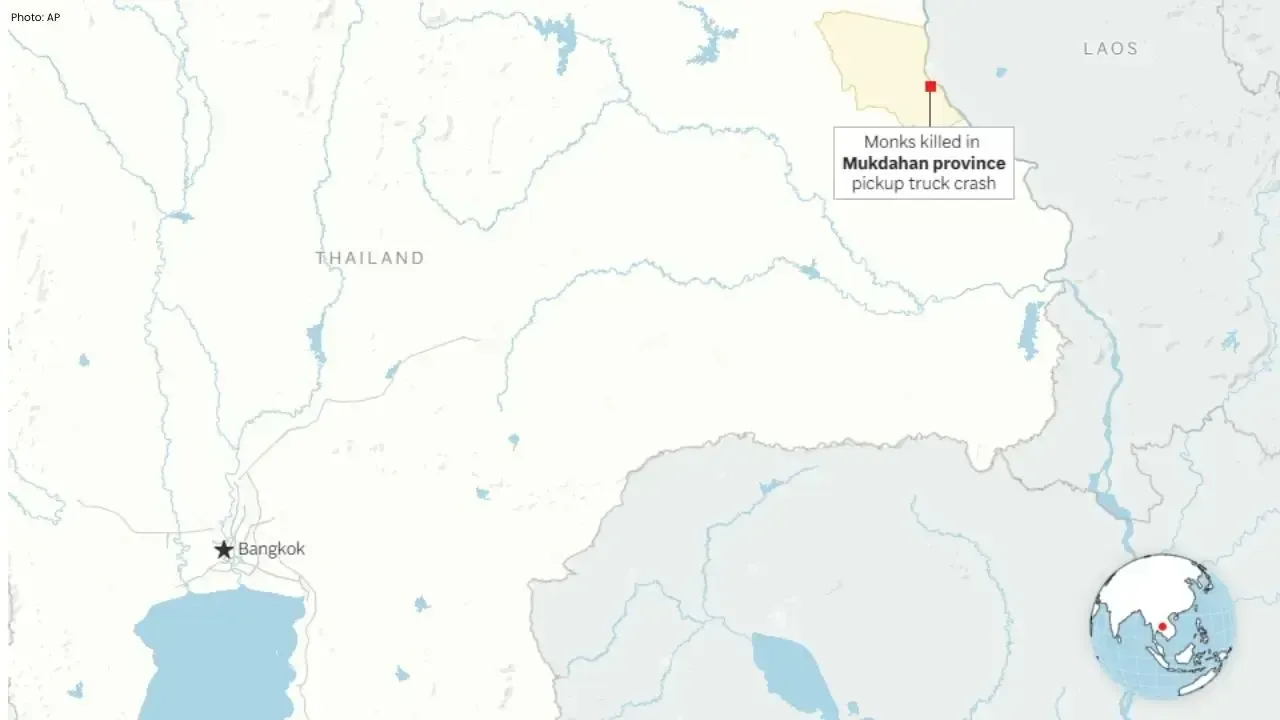
Nine Monks Killed in Thailand Pickup Truck Tragedy
An 11-year-old boy driving a pickup truck crashed into monks during a pilgrimage in northeastern Tha

Anwar Congratulates Xi on CPC's 105th Anniversary
Malaysia reaffirms strong ties with China as PM Anwar Ibrahim sends a congratulatory letter to Presi

Thai Agriculture Team Reviews 2026 Farm Development Plans
Agriculture Ministry officials inspected livestock and organic rice projects in Nakhon Sawan to moni

Thailand, Canada Boost Ties in PM-Level Phone Talks
Thailand and Canada agreed to strengthen trade, security, OECD cooperation and ASEAN-Canada FTA talk