You have not yet added any article to your bookmarks!
Join 10k+ people to get notified about new posts, news and tips.
Do not worry we don't spam!

Post by : Anis Farhan
Tourism in Asia is evolving. Gone are the days when travelers only sought luxury resorts and crowded sightseeing tours. In recent years, a growing number of tourists have been choosing cultural homestays—immersive stays with local families in remote villages—over traditional accommodations. This shift reflects a desire for deeper cultural connections, slower travel, and experiences that go beyond the typical tourist trail.
In countries like Nepal, Vietnam, India, and Indonesia, cultural homestays are becoming a bridge between visitors and local communities. Instead of being passive spectators, travelers become active participants in rural life, learning about local customs, farming methods, and even traditional cooking. The appeal is clear: authenticity sells, and travelers are increasingly seeking it out.
The homestay concept isn’t new, but its popularity in Asia has surged in the last decade. Initiatives from local governments, NGOs, and private entrepreneurs have helped rural villages create structured programs to welcome guests. For travelers, these stays offer unique cultural access; for locals, they create economic opportunities without the need for mass tourism infrastructure.
In Sapa, Vietnam, for instance, ethnic minority families open their homes to visitors eager to learn about weaving techniques and mountain farming. In Kerala, India, tourists stay in centuries-old houses, joining in on spice harvesting and cooking traditional dishes. Even remote Himalayan villages in Bhutan are now offering curated homestay experiences, showcasing a lifestyle untouched by urbanization.
One of the biggest advantages of cultural homestays is the direct economic benefit to local communities. Unlike large-scale resorts where profits often go to outside investors, homestay income typically stays within the village. Hosts can invest in better infrastructure, education for their children, and preserving their heritage.
For tourists, the reward is equally valuable. Many say they leave with not just photographs, but friendships and a genuine understanding of a different way of life. Shared meals, conversations by the fire, and helping with daily chores create a bond that hotel stays rarely offer.
While cultural homestays hold promise, they are not without challenges. Maintaining authenticity while catering to tourist comfort can be tricky. Too much commercialization risks turning an authentic experience into a staged performance. Language barriers, hygiene standards, and cultural misunderstandings also require attention.
Some destinations are tackling these issues by providing host families with hospitality training, language lessons, and support for improving sanitation and safety. Digital platforms are also making it easier for travelers to discover and book homestays, but careful regulation is needed to ensure quality without losing the original essence.
Cultural homestays align closely with the principles of sustainable tourism. They encourage travelers to spend money locally, reduce the environmental footprint by using existing infrastructure, and foster cultural preservation. Instead of building new resorts, visitors make use of existing homes and resources, minimizing disruption to the local environment.
Furthermore, by experiencing traditional ways of life firsthand, travelers often develop a deeper respect for cultural heritage and environmental conservation. In turn, hosts become more motivated to preserve traditions when they see them valued by guests from around the world.
What started as a niche travel trend in Asia is now gaining global traction. Western travelers, weary of overcrowded tourist hubs, are increasingly venturing into rural Asia for something different. Travel influencers and documentaries have played a role in showcasing the beauty and authenticity of such experiences, further boosting demand.
In the post-pandemic travel landscape, the value of human connection has risen. People are more inclined to seek experiences that feel personal, safe, and enriching—exactly what cultural homestays offer. As more destinations recognize the economic and cultural potential of this trend, the future of rural tourism in Asia could be defined by the humble hospitality of its villages.
This article is intended for informational purposes only. While every effort has been made to present accurate and up-to-date information, travel experiences may vary based on local conditions, personal preferences, and cultural differences. Readers are advised to research and plan their trips accordingly, respecting local customs and regulations at all times.









Lamborghini Catches Fire on Singapore's ECP, Causing Heavy Traffic
A Lamborghini caught fire on Singapore's ECP, causing heavy traffic and bus delays. No injuries were

Bangkok Airport Duty-Free Area Flooded by Pipe Burst
A burst water pipe flooded the duty-free shopping area at Bangkok's Suvarnabhumi Airport on July 16,

Nine Monks Killed in Thailand Pickup Truck Tragedy
An 11-year-old boy driving a pickup truck crashed into monks during a pilgrimage in northeastern Tha

Anwar Congratulates Xi on CPC's 105th Anniversary
Malaysia reaffirms strong ties with China as PM Anwar Ibrahim sends a congratulatory letter to Presi
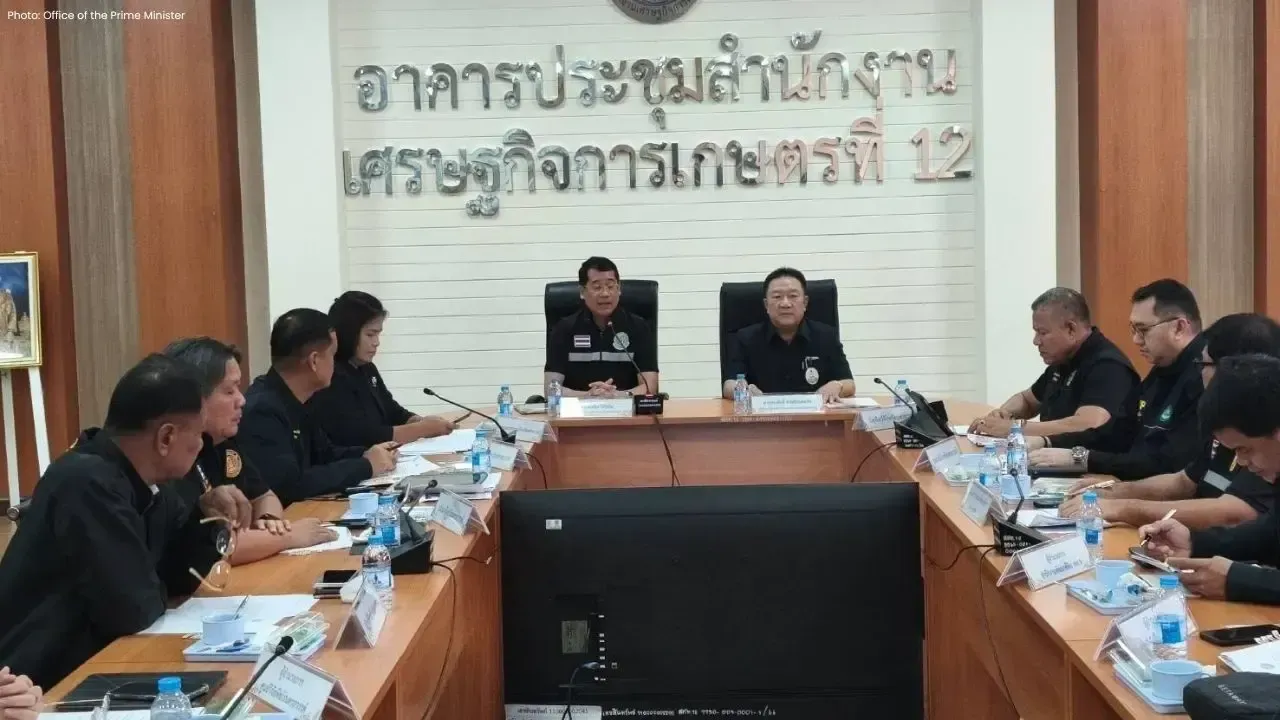
Thai Agriculture Team Reviews 2026 Farm Development Plans
Agriculture Ministry officials inspected livestock and organic rice projects in Nakhon Sawan to moni

Thailand, Canada Boost Ties in PM-Level Phone Talks
Thailand and Canada agreed to strengthen trade, security, OECD cooperation and ASEAN-Canada FTA talk