You have not yet added any article to your bookmarks!
Join 10k+ people to get notified about new posts, news and tips.
Do not worry we don't spam!
Post by : Anis Farhan
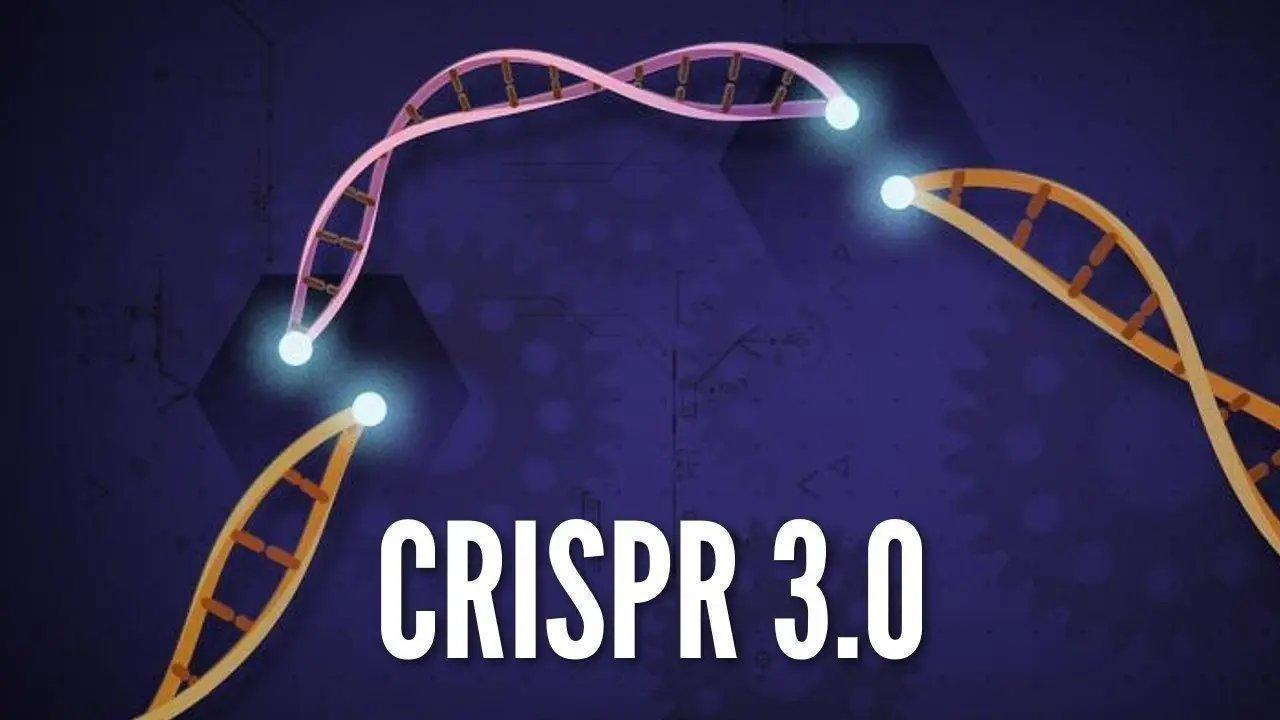
The discovery of CRISPR transformed biology forever, but CRISPR 3.0 represents a leap far beyond the original technology. What began as a powerful DNA-cutting tool has evolved into a programmable, ultra-precise, multi-functional gene editing system capable of correcting thousands of genetic disorders once considered incurable. Scientists believe this next-generation platform may be the key to treating more than 5,000 hereditary diseases, making it one of the most ambitious biomedical revolutions of the century.
As breakthroughs accelerate, clinical trials advance and genetic engineering becomes increasingly sophisticated, the global medical landscape is preparing for a transformation. CRISPR 3.0 combines precision, efficiency and safety in ways previous versions could not achieve — offering new hope for millions of patients suffering from life-limiting genetic disorders.
This article explores how CRISPR 3.0 works, the diseases it may cure, its game-changing improvements and the ethical boundaries shaping its future.
The first generation of CRISPR allowed scientists to cut DNA at specific locations.
The second generation introduced base editing and prime editing, enabling more precise changes without breaking the DNA strands.
CRISPR 3.0 represents the third evolutionary step. It integrates:
ultra-precise gene correction
multi-gene editing capability
safer mechanisms that reduce off-target effects
improved delivery systems
enhanced control over gene expression
This version is more accurate, more efficient and significantly more versatile.
The latest generation offers capabilities such as:
editing multiple genes simultaneously
activating or silencing genes without altering DNA sequence
making reversible edits
correcting large genetic errors
tailoring edits for personalized medicine
These advancements make it possible to address complex diseases involving multiple genetic mutations.
CRISPR 3.0 uses next-level molecular tools that act like genetic “scalpels,” allowing researchers to:
replace faulty genetic code
repair damaged segments
rewrite mutations with high accuracy
This reduces unwanted side effects and increases treatment reliability.
At the heart of CRISPR lies a guide RNA molecule that directs the editing machinery to precise DNA locations. Newer algorithms help design RNA guides that target disease-causing mutations with near-perfect accuracy.
Unlike earlier versions that cut DNA, many CRISPR 3.0 techniques use:
chemical conversion
DNA rewriting
epigenetic modification
These methods minimize cellular stress and unintended genetic changes.
New delivery methods such as modified viral vectors, nanoparticles and cell-specific carriers allow safer, more efficient transportation of CRISPR tools inside the body.
Scientists estimate that CRISPR 3.0 has the potential to treat 5,000+ genetic diseases, especially those caused by single-gene mutations. These include:
sickle cell disease
Huntington’s disease
cystic fibrosis
muscular dystrophy
spinal muscular atrophy
CRISPR 3.0’s accuracy allows direct correction of the mutation triggering these conditions.
Clinical trials are exploring gene corrections for:
retinitis pigmentosa
Leber congenital amaurosis
genetic deafness
Restoring sensory function could significantly improve quality of life.
CRISPR 3.0 can re-engineer stem cells to treat:
thalassemia
hemophilia
severe combined immunodeficiency
These therapies offer long-term or even permanent cures.
Next-gen CRISPR is being used to:
enhance immune cells
deactivate cancer-causing genes
improve tumor-targeting precision
This could usher in a new era of personalized oncology.
Diseases involving faulty metabolic pathways or defective neurons — once too complex for CRISPR-Cas9 — may now be treatable using multi-gene editing.
CRISPR-based therapies have successfully corrected mutations in patients with sickle cell disease and beta-thalassemia. CRISPR 3.0 makes these corrections safer and more accessible.
One of the biggest challenges in treating complex diseases is multi-gene mutations. CRISPR 3.0 has shown promising results in correcting combinations of defective genes simultaneously.
Researchers developed CRISPR 3.0 variations capable of crossing the blood-brain barrier, paving the way for treating neurological conditions.
The latest generation significantly lowers accidental edits, making clinical use far more viable.
Doctors may soon create custom CRISPR-based therapies designed specifically for a patient’s DNA, offering truly individualized treatment.
Before symptoms arise, CRISPR 3.0 could correct mutations in:
newborns
embryos (with strict regulation)
high-risk individuals
This could prevent diseases before they begin.
Gene editing combined with stem cell research may allow regeneration of damaged tissues such as:
heart muscle
nerve cells
cartilage
liver tissue
This reduces the need for transplants and long-term therapies.
The possibility of editing embryos raises ethical concerns such as:
unintended long-term effects
genetic inequality
designer traits
consent issues for future generations
Many governments prohibit germline editing until safety is guaranteed.
If CRISPR-based cures are expensive, they may widen the health divide between rich and poor nations. Ensuring global accessibility is a major challenge.
There are concerns about:
non-medical genetic enhancement
military misuse
unregulated genetic clinics
Clear global guidelines are essential.
CRISPR 3.0 focuses on rewriting instead of cutting DNA, lowering the risk of chromosomal abnormalities.
New editing tools allow scientists to:
turn genes on or off
modulate their activity
reverse changes if needed
This flexibility improves safety and reduces side effects.
Scientists can now monitor gene edits as they occur, identifying errors instantly and correcting them.
The next decade may witness:
elimination of many inherited diseases
customized genetic treatments for millions
longer and healthier human lifespans
regeneration of damaged organs
new scientific breakthroughs beyond current imagination
CRISPR 3.0 may not only cure diseases — it could redefine human health entirely.
CRISPR 3.0 represents a scientific revolution with far-reaching implications. It offers the possibility of curing thousands of genetic disorders, transforming medical treatment and reshaping the future of biotechnology. Although challenges remain, including ethical concerns and accessibility, the potential benefits are extraordinary.
As research progresses, CRISPR 3.0 is set to become one of the most influential innovations in human history, offering hope to millions and reshaping how we understand and treat disease.
Disclaimer: This article is based on ongoing scientific research, medical trials and biotechnology developments. It is intended for informational and editorial purposes only and does not serve as medical advice.










PSG Coach Luis Enrique Urges Players to Step Outside Comfort Zone
PSG coach Luis Enrique says players must leave their comfort zone and keep improving as the club tar

China’s Tiangong Sets New 400m Record at Robot Olympics
China’s Tiangong robot sets a new 400m record at the Robot Olympics, beating a South African robot i

George Russell Wins Dutch GP Sprint, Boosts Mercedes Morale
George Russell wins the Dutch GP Sprint from pole as Mercedes teammate Kimi Antonelli extends his F1

Australia 50/3 After Bangladesh Bowled Out for 64 in Second Test
Australia reached 50/3 after Bangladesh were bowled out for 64 in the second Test, with Mitchell Sta

Jordan Burroughs Returns to Wrestling with 2028 Olympic Dream
Jordan Burroughs returns to wrestling with Real American Freestyle as the Olympic champion eyes a po

Lamborghini Catches Fire on Singapore's ECP, Causing Heavy Traffic
A Lamborghini caught fire on Singapore's ECP, causing heavy traffic and bus delays. No injuries were