
You have not yet added any article to your bookmarks!
Join 10k+ people to get notified about new posts, news and tips.
Do not worry we don't spam!
Post by : Saif Rahman
Across the globe, consumer goods enterprises are altering their leadership more frequently as boards and investors seek rapid growth and improved results. Many organizations contend that fresh leadership is essential to address sluggish sales, escalating costs, and evolving consumer preferences, particularly among younger demographics.
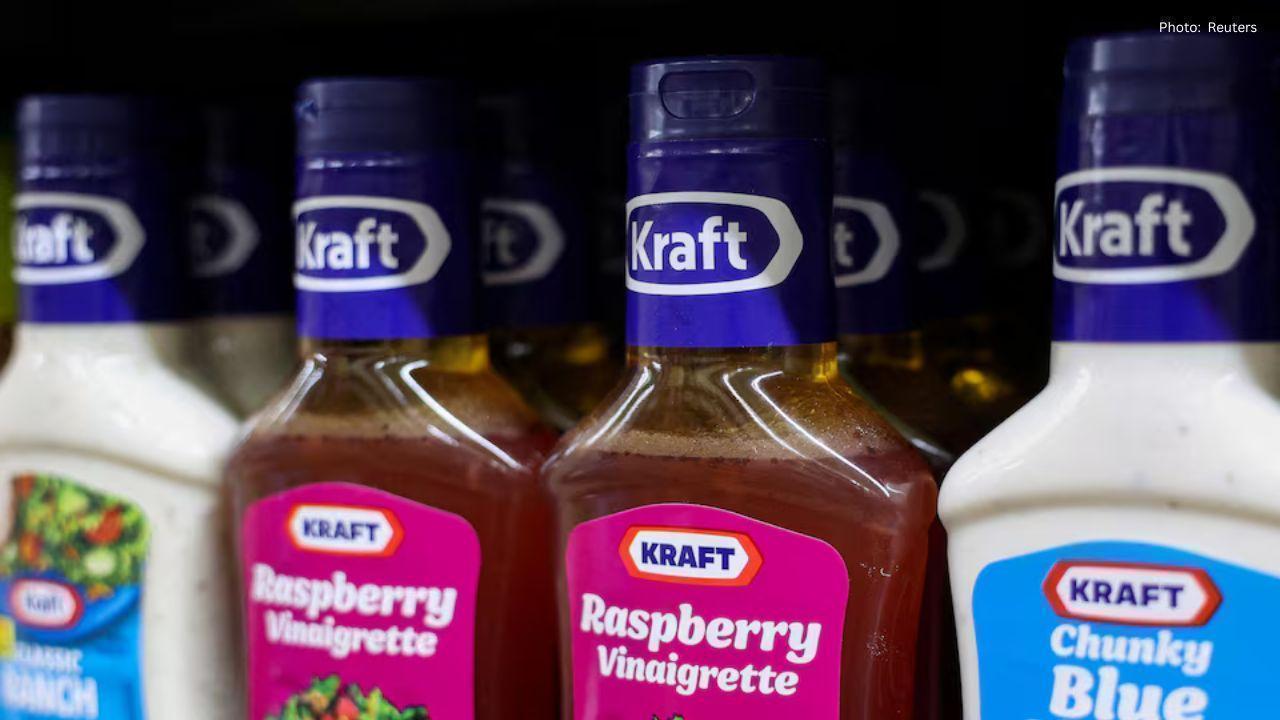
In recent months, numerous leading firms announced changes in their CEO positions. Kraft Heinz appointed industry expert Steve Cahillane as its new chief executive, joining other brands like Coca Cola and Lululemon in reshaping their top management. Major players such as Unilever and Nestle have also made leadership changes this year.
Experts highlight that company boards exhibit significantly less patience than in the past. They demand quick showings and defined strategies to navigate weak demand, intense competition, and global instability. Growth remains elusive in the consumer goods sector as inflation and trade tariffs have raised costs and limited consumer spending capabilities.
Data from executive search firms indicates that global CEO turnover rates are high, with many leaders only given two or three years to deliver results. If targets are not met, boards take swift action, reflecting mounting pressure from investors desiring solid share prices and consistent returns.
Economic factors also contribute to these shifts. Heightened US tariffs, supply chain disruptions, and shipping delays have compelled firms to reassess pricing and sourcing strategies. Companies are striving to balance increasing costs while maintaining affordable products for consumers.
Connecting with younger audiences presents an additional challenge. Millennials and Gen Z consumers are more budget-conscious and swayed by trends and social media. Brands that fail to stay relevant risk being overshadowed by newer, more fashionable competitors. Boards are now on the lookout for CEOs well-versed in digital marketing, innovation, and rapidly changing consumer tastes.
Some leadership transitions are attributable to company-specific issues like weak stock performance or internal conflicts, while others happen simply due to slow progress. Analysts note that extended CEO tenures are becoming less common as businesses prioritize quicker impacts.
This year, consumer goods stocks have not performed as well as the broader market, adding to the pressure on management. Investors today expect clear strategies, swift execution, and noticeable improvements.
As market conditions remain volatile and consumer behaviors keep changing, frequent CEO transitions may persist. While new leaders can introduce innovative ideas, experts caution that continuous turnover might undermine long-term strategies. For many boards, however, swift results are now prioritized over stability.










Josh Kerr and Jakob Ingebrigtsen Set for 1,500m Rivalry Rematch
Josh Kerr and Jakob Ingebrigtsen will renew their 1,500m rivalry at the Ultimate Championship in Bud

PSG Coach Luis Enrique Urges Players to Step Outside Comfort Zone
PSG coach Luis Enrique says players must leave their comfort zone and keep improving as the club tar

China’s Tiangong Sets New 400m Record at Robot Olympics
China’s Tiangong robot sets a new 400m record at the Robot Olympics, beating a South African robot i

George Russell Wins Dutch GP Sprint, Boosts Mercedes Morale
George Russell wins the Dutch GP Sprint from pole as Mercedes teammate Kimi Antonelli extends his F1

Australia 50/3 After Bangladesh Bowled Out for 64 in Second Test
Australia reached 50/3 after Bangladesh were bowled out for 64 in the second Test, with Mitchell Sta

Jordan Burroughs Returns to Wrestling with 2028 Olympic Dream
Jordan Burroughs returns to wrestling with Real American Freestyle as the Olympic champion eyes a po

