
You have not yet added any article to your bookmarks!
Join 10k+ people to get notified about new posts, news and tips.
Do not worry we don't spam!
Post by : Saif Rahman
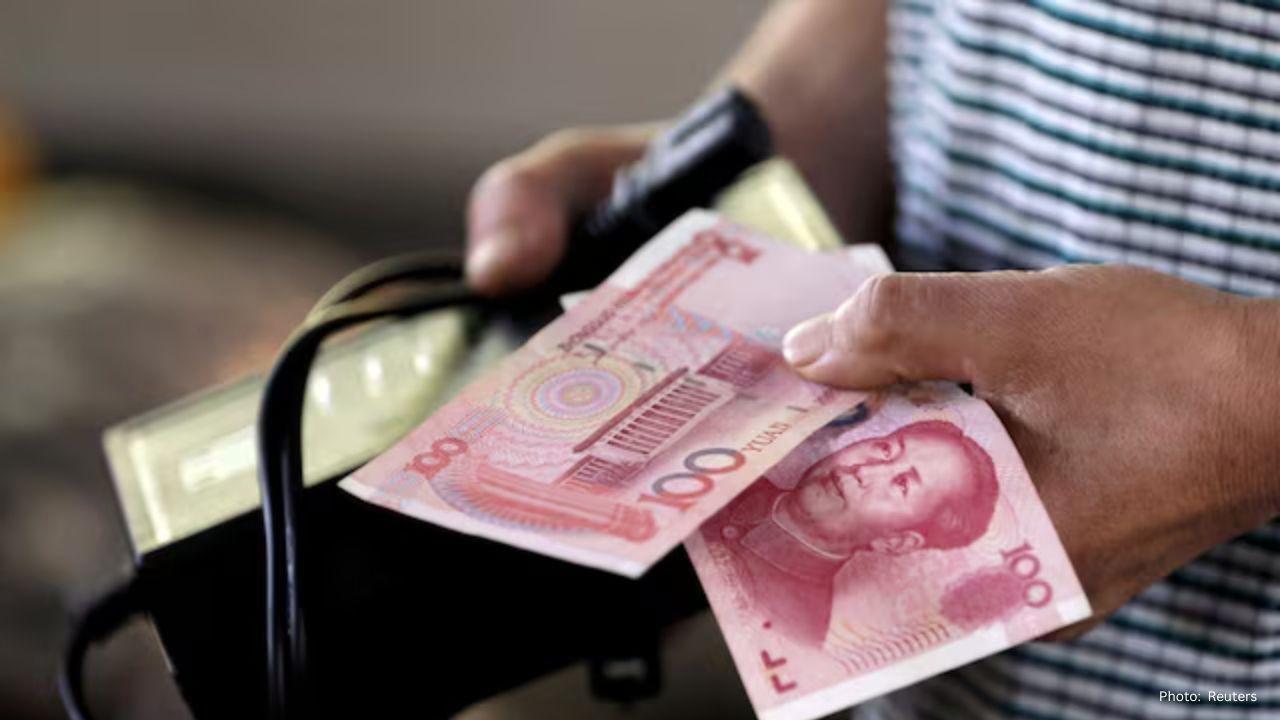
In a bid to fortify its financial landscape, China has been actively merging small banks; however, this tactic introduces new financial vulnerabilities. Recent statistics reveal that many consolidated banks are experiencing declining profits and insufficient capital, complicating Beijing's objective to stabilize the nation's $8 trillion small banking framework.
A report from China International Capital Corp indicates that by November 2025, at least 350 banking licenses had been revoked, up from 198 the previous year. The majority of these mergers involved rural banks and credit cooperatives, which collectively represent around 14% of China's extensive $58 trillion banking industry.
These smaller institutions are frequently supported by local governments and depend on short-term loans. The failure of some could jeopardize domestic financial stability. An analysis of 20 regional banks that merged with smaller entities in 2024 revealed that 13 reported lower profits or losses through mid-2025, while 14 showed declines in capital adequacy ratios.
Chinese small banks are grappling with accumulating bad debts, a faltering property market, and sluggish economic growth. Analysts contend that mergers cannot solely address these persistent issues. Finance analyst Xiaoxi Zhang noted, “Unless bad debts are acknowledged and eliminated, mergers will merely diffuse bad debt risks, with local governments frequently stepping in to rescue failing banks.”
Several merged banks have faced drastic profit declines. For example, Shanxi Bank reported a staggering 90% drop in profits in 2024 after integrating four high-risk rural lenders, leading to an increase in its non-performing loan ratio from 1.74% to 2.5%. Meanwhile, the Bank of Dongguan in southern China announced an 8.2% decline in net profits after acquiring two rural banks.
Despite the ongoing consolidation, financial risks remain heightened. By September 2025, city and rural commercial banks reported bad loan ratios of 1.84% and 2.82%, respectively—figures higher than those of larger state and joint-stock banks, indicating that smaller banks continue to represent a weak link within China's financial system.
This consolidation movement has also fostered moral hazards, with some weaker banks seemingly poised to await governmental rescue, while healthier banks are left to shoulder their burdens. This pattern could compromise overall financial stability and amplify stress within the system.
Regulators persist in advocating for mergers to elevate bank quality; however, without tackling bad debts and governance challenges, the sector may remain susceptible. As China strives to balance economic growth with stability, the effectiveness of this consolidation effort will hinge on meticulous oversight and adept management of financial risks.









Josh Kerr and Jakob Ingebrigtsen Set for 1,500m Rivalry Rematch
Josh Kerr and Jakob Ingebrigtsen will renew their 1,500m rivalry at the Ultimate Championship in Bud

PSG Coach Luis Enrique Urges Players to Step Outside Comfort Zone
PSG coach Luis Enrique says players must leave their comfort zone and keep improving as the club tar

China’s Tiangong Sets New 400m Record at Robot Olympics
China’s Tiangong robot sets a new 400m record at the Robot Olympics, beating a South African robot i

George Russell Wins Dutch GP Sprint, Boosts Mercedes Morale
George Russell wins the Dutch GP Sprint from pole as Mercedes teammate Kimi Antonelli extends his F1
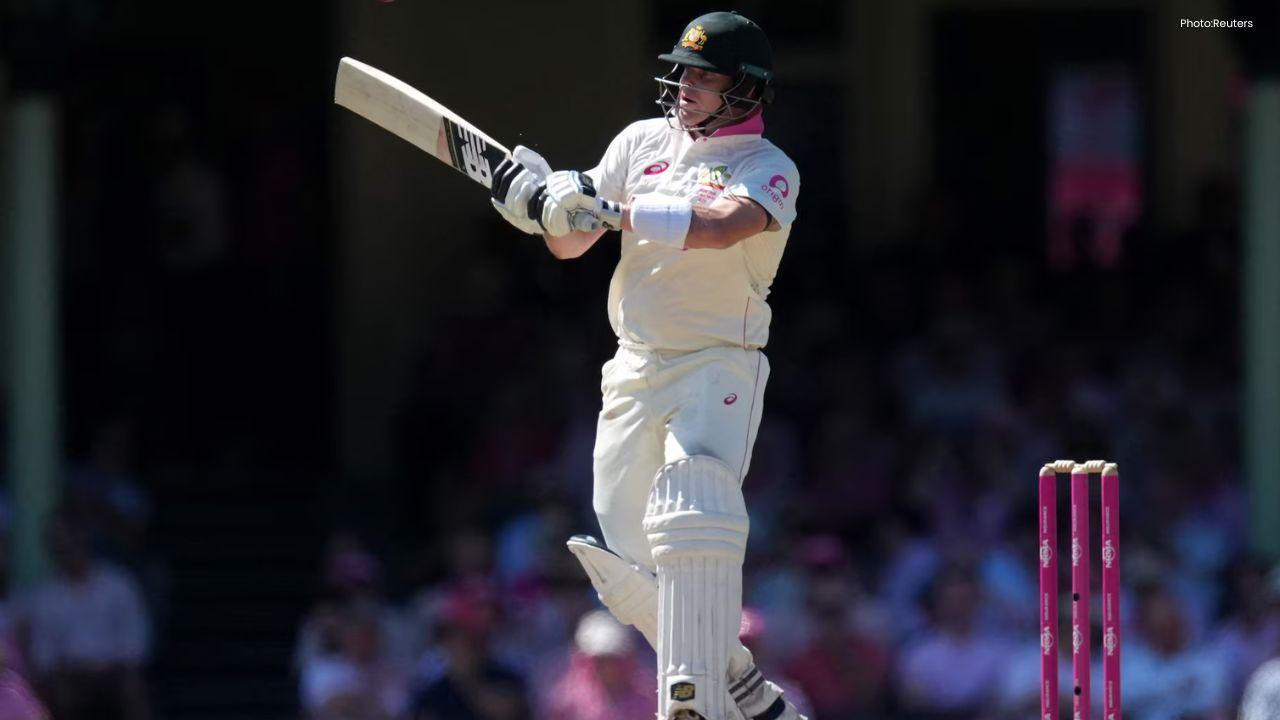
Australia 50/3 After Bangladesh Bowled Out for 64 in Second Test
Australia reached 50/3 after Bangladesh were bowled out for 64 in the second Test, with Mitchell Sta

Jordan Burroughs Returns to Wrestling with 2028 Olympic Dream
Jordan Burroughs returns to wrestling with Real American Freestyle as the Olympic champion eyes a po

