
You have not yet added any article to your bookmarks!
Join 10k+ people to get notified about new posts, news and tips.
Do not worry we don't spam!
Post by : Saif Rahman
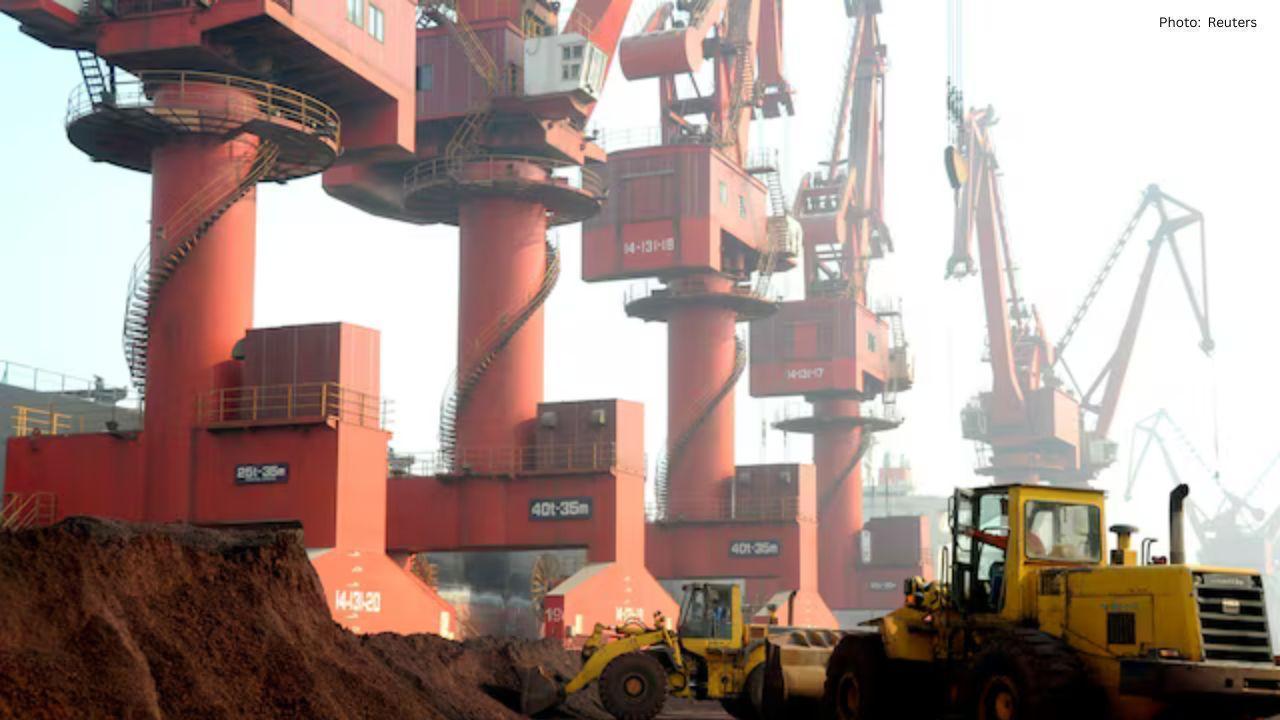
China has initiated a new strategy to expedite the exportation of rare earth elements, unveiling a general export permit system through its Commerce Ministry. This effort aims at minimizing delays and enhancing the flow of crucial resources to international markets.
Rare earth elements play a vital role in numerous sectors, including electric vehicles, consumer electronics, renewables, and defense technologies. As the largest global producer, China's influence on the rare earth supply chain is significant.
Officials report that several exporters have secured these new permits, with certain Chinese companies meeting essential criteria for approval. This general licencing model is intended to streamline regular shipments, potentially facilitating smoother exports.
This announcement follows indications that licenses were granted to companies in Europe. A spokesperson for the ministry, during a press briefing in Hong Kong, confirmed the approval of applications while not specifying any European entities, leaving some ambiguity regarding the initial beneficiaries.
Additionally, there are suggestions that suppliers associated with the American automobile manufacturer Ford have received these new permits, which could alleviate supply concerns in the electric vehicle sector. However, no official confirmations have yet emerged from European companies.
European Union representatives are closely monitoring the developments. The EU’s trade chief has indicated that certain European firms may have received approval, but specific details remain scarce. This situation underscores the scrutiny by various governments and industries over China’s export regulations.
China has a history of utilizing export controls and licensing processes to oversee the trade of rare earth elements, typically justified as initiatives to safeguard resources and enforce environmental norms. Yet, changes in these policies can have widespread implications, given the global reliance on Chinese supplies.
By rolling out a more efficient licencing framework, China seems to be addressing global demands for supply stability while retaining oversight over export volumes and recipients. This approach aims to support international industries while securing its strategic objectives.
This development may offer some reprieve to manufacturers grappling with supply chain delays or shortages. If implemented effectively, it could alleviate uncertainty across critical sectors such as electronics and renewable energy.
As worldwide demand for rare earths escalates, China’s export policies will continue to be monitor closely. The introduction of this new licencing system may signify a shift towards more fluid trade conditions, though the true ramifications will unfold over time.








Josh Kerr and Jakob Ingebrigtsen Set for 1,500m Rivalry Rematch
Josh Kerr and Jakob Ingebrigtsen will renew their 1,500m rivalry at the Ultimate Championship in Bud

PSG Coach Luis Enrique Urges Players to Step Outside Comfort Zone
PSG coach Luis Enrique says players must leave their comfort zone and keep improving as the club tar

China’s Tiangong Sets New 400m Record at Robot Olympics
China’s Tiangong robot sets a new 400m record at the Robot Olympics, beating a South African robot i

George Russell Wins Dutch GP Sprint, Boosts Mercedes Morale
George Russell wins the Dutch GP Sprint from pole as Mercedes teammate Kimi Antonelli extends his F1

Australia 50/3 After Bangladesh Bowled Out for 64 in Second Test
Australia reached 50/3 after Bangladesh were bowled out for 64 in the second Test, with Mitchell Sta

Jordan Burroughs Returns to Wrestling with 2028 Olympic Dream
Jordan Burroughs returns to wrestling with Real American Freestyle as the Olympic champion eyes a po

