You have not yet added any article to your bookmarks!
Join 10k+ people to get notified about new posts, news and tips.
Do not worry we don't spam!
Post by : Meena Ariff
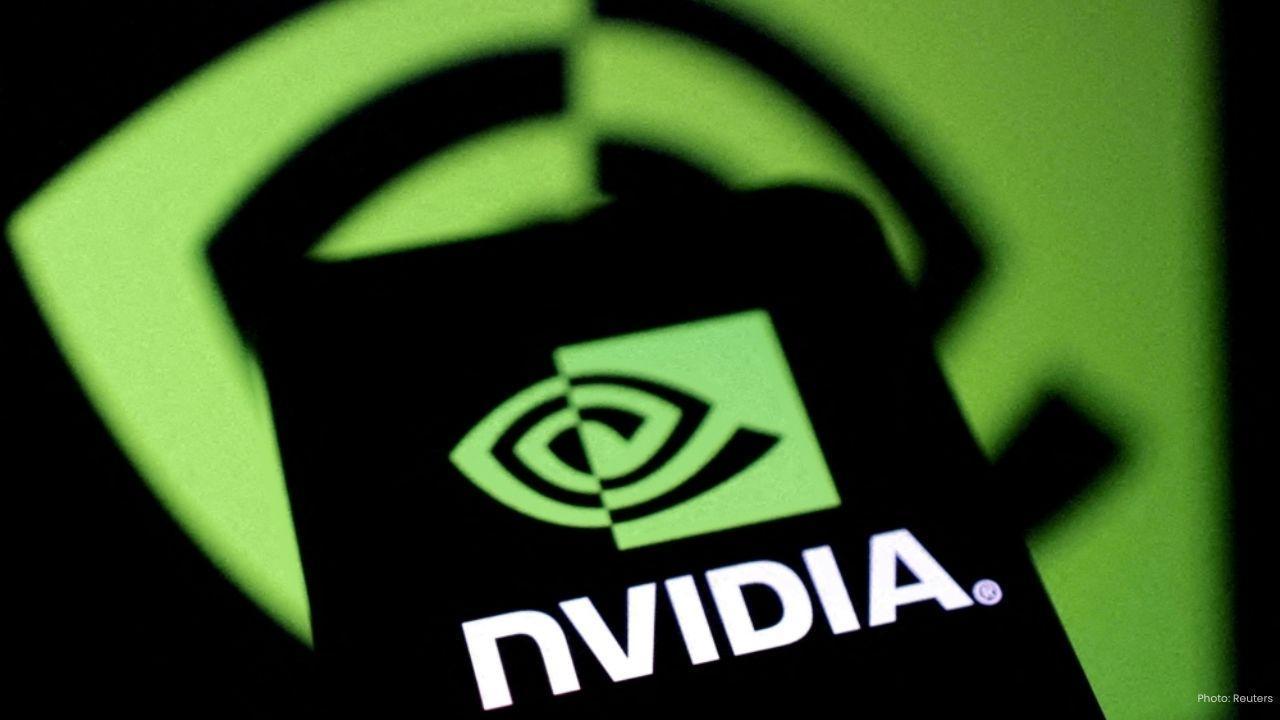
Chinese officials have asked local companies to avoid using Nvidia’s H20 processors, especially for any government or national security purposes. This warning comes amid growing concerns about the security of foreign-made chips and ongoing trade tensions between the US and China.
The authorities have sent official notices to several businesses, urging them to stop using these less advanced chips from Nvidia. The message is clear: companies, whether state-owned or private, should not use Nvidia’s H20 chips in projects related to the government or national security. This guidance aims to protect China’s interests and prevent any possible security risks linked to foreign technology.
What Are Nvidia’s H20 Chips?
Nvidia’s H20 is an artificial intelligence (AI) chip that helps computers perform complex tasks faster, especially those related to AI. It is built on an older design called Hopper architecture. The H20 is currently the most advanced AI chip Nvidia is allowed to sell in China. Newer models, like Nvidia’s upcoming Blackwell chip, are not yet approved for sale in the country.
US-China Trade and Technology Concerns
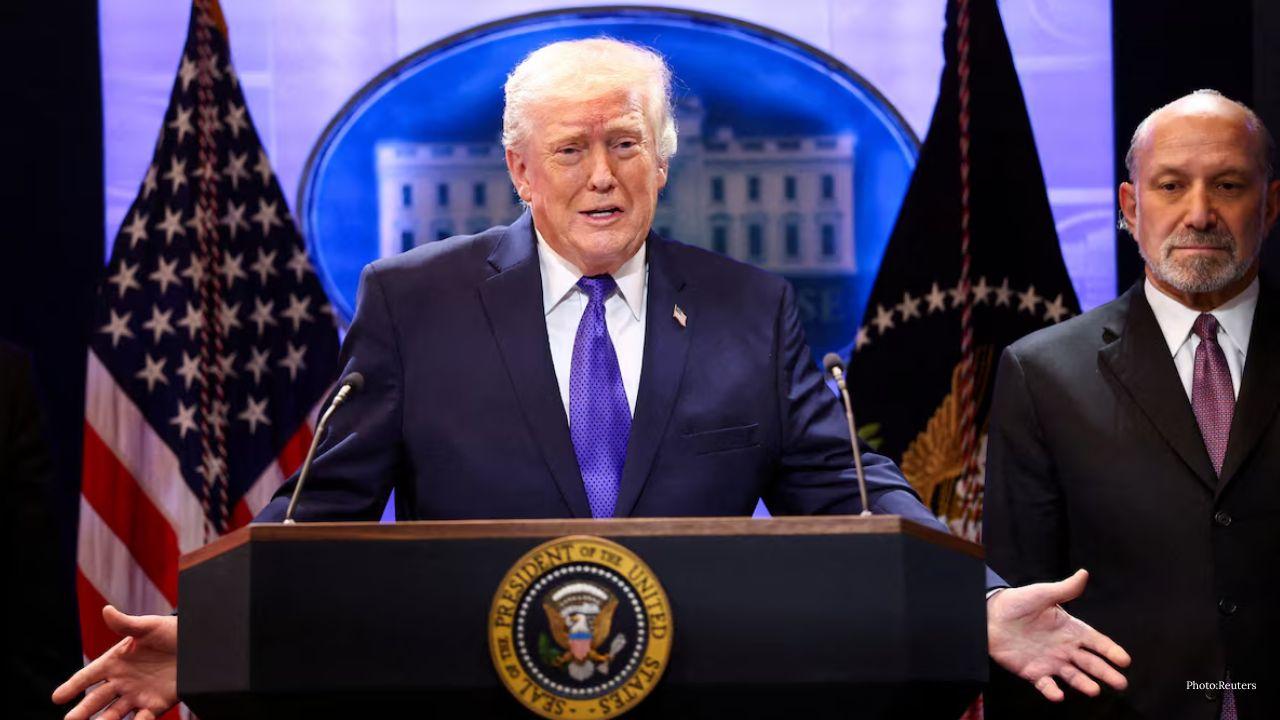
The United States has been cautious about selling advanced technology to China. The Trump administration recently approved Nvidia and another company, AMD, to sell some AI chips in China, but set limits to control the technology’s spread. The US government also secured a deal to receive 15% of revenue from these sales in China, showing how serious they are about controlling chip exports.
On the other hand, China remains worried about the potential security threats these foreign chips might pose. Chinese officials fear that advanced chips could be used in ways that threaten national security. That is why they are advising companies to avoid using certain Nvidia chips for sensitive projects.
Nvidia’s Response
Nvidia has stated publicly that its chips do not contain any "backdoors." This means there is no way for outsiders to remotely access or control their chips after they are sold. Nvidia wants to assure customers and governments that its technology is safe and secure.
Other Companies Affected
This new advice from China also affects AI chips from other companies, such as Advanced Micro Devices (AMD). However, it is not clear if Chinese officials have specifically mentioned AMD’s MI308 chip in their notices.
What Does This Mean for Businesses?
Chinese companies, especially those working with the government, will need to review their technology use carefully. They may have to look for alternative chips or develop their own to meet security guidelines and government rules. This situation shows the challenges companies face amid ongoing technology competition and political tensions between China and the US.
Future Outlook
The US and China continue to have a complex relationship when it comes to technology. The US wants to maintain its lead in AI and computing while restricting China’s access to the latest tech. China, meanwhile, is working to protect its industries and reduce reliance on foreign technology.
This new warning about Nvidia’s H20 chips is part of a larger effort by China to control technology imports and secure its national interests. How companies respond and how the US-China trade policies evolve will shape the future of the global tech market.





Lamborghini Catches Fire on Singapore's ECP, Causing Heavy Traffic
A Lamborghini caught fire on Singapore's ECP, causing heavy traffic and bus delays. No injuries were

Bangkok Airport Duty-Free Area Flooded by Pipe Burst
A burst water pipe flooded the duty-free shopping area at Bangkok's Suvarnabhumi Airport on July 16,

Nine Monks Killed in Thailand Pickup Truck Tragedy
An 11-year-old boy driving a pickup truck crashed into monks during a pilgrimage in northeastern Tha
Anwar Congratulates Xi on CPC's 105th Anniversary
Malaysia reaffirms strong ties with China as PM Anwar Ibrahim sends a congratulatory letter to Presi
Thai Agriculture Team Reviews 2026 Farm Development Plans
Agriculture Ministry officials inspected livestock and organic rice projects in Nakhon Sawan to moni

Thailand, Canada Boost Ties in PM-Level Phone Talks
Thailand and Canada agreed to strengthen trade, security, OECD cooperation and ASEAN-Canada FTA talk