
You have not yet added any article to your bookmarks!
Join 10k+ people to get notified about new posts, news and tips.
Do not worry we don't spam!
Post by : Saif Rahman
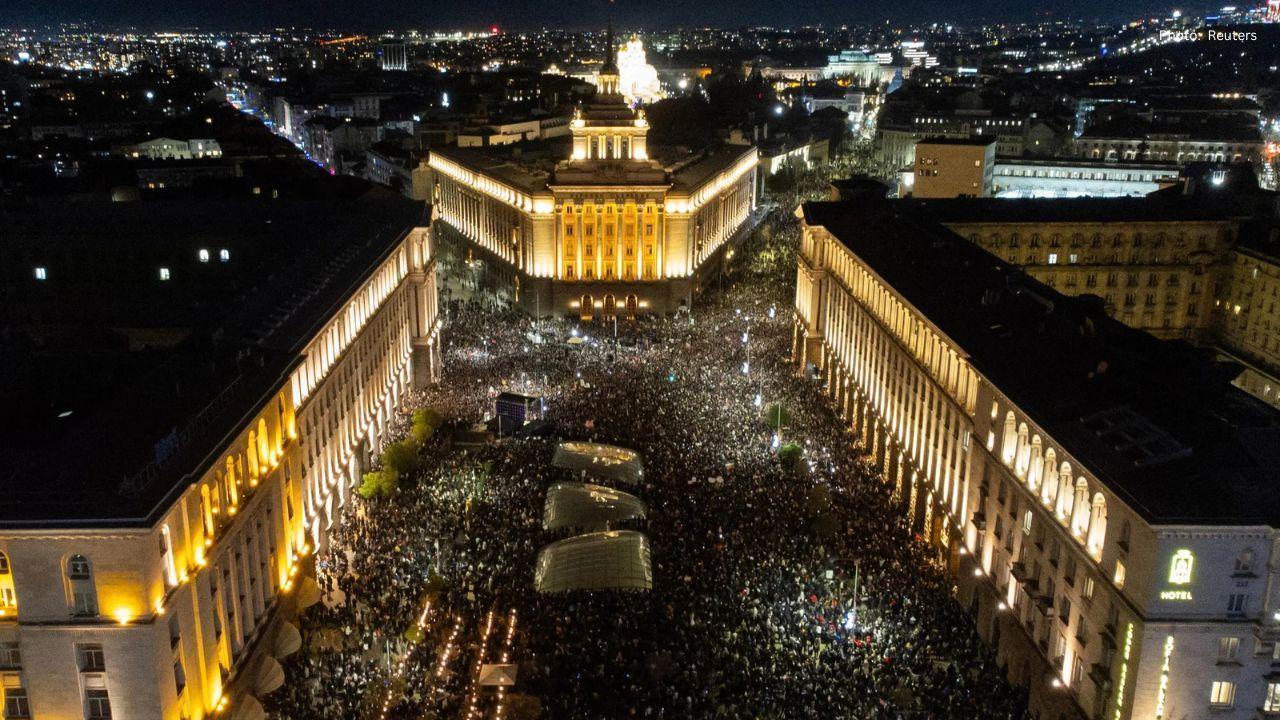
Bulgaria has plunged into a fresh political crisis as Prime Minister Rosen Zhelyazkov tendered his resignation on Thursday. His action was the culmination of extensive nationwide demonstrations protesting the government's economic strategies and its inability to mitigate corruption. This resignation came mere moments before lawmakers were scheduled to vote on a no-confidence motion that could have removed the government.
This sudden shift occurs at a critical juncture, with Bulgaria on track to join the euro zone on January 1. The nation is now grappling with rising public discontent, instability in leadership, and mounting pressure on political entities to establish a new administration.
A Governance Downfall Driven by Public Outrage
In a televised address, Zhelyazkov stated that the ruling coalition felt compelled to make a responsible choice for the nation.
“We aspire to meet the expectations of society,” he remarked. “Authority derives from the people's voice.”
For a significant number of Bulgarians, this resignation was a long-awaited event. Thousands of demonstrators took to the streets of Sofia and numerous other cities on Wednesday night, calling for improved economic policies, more decisive action against corruption, and authentic governance. These demonstrations are part of a broader wave of unrest that has engulfed the country in recent weeks.
The Budget Proposal That Sparked the Unrest
The crisis escalated following the government's introduction of its 2026 budget plan—the first to be denominated in euros in light of the upcoming currency transition. This plan proposed increased social security contributions and elevated taxes on dividends. Officials asserted that these adjustments were essential for sustaining elevated government expenditure.
However, many citizens perceived the budget as inequitable, arguing it would exacerbate the burden on those already facing soaring living costs. Opposition parties and civil organizations criticized the government, labeling it out of touch with the plight of everyday citizens.
Despite efforts to alleviate tensions by retracting the budget proposal last week, the protests continued to escalate, indicating that discontent concerning corruption and ineffective governance ran deeper than just a single policy.
Recurring Instability in Bulgarian Politics
Bulgaria has conducted seven national elections over the last four years. The most recent, held in October 2024, failed to yield a unified political front, leaving the country fragmented and struggling to achieve stable governance.
President Rumen Radev, noted for his criticism of the government, has supported calls for Zhelyazkov’s resignation. Earlier this week, he stressed that leaders must choose “between the people's will and the fears of organized crime,” urging them to heed public demands.
According to Bulgaria's constitution, the president will now request parliamentary parties to attempt to form a new government. Should they fail—a scenario many analysts foresee—he will appoint an interim administration to govern until new elections can be arranged.
Crisis Looms as Euro Zone Entry Approaches
The timing of this crisis adds significant pressure. Bulgaria is set to adopt the euro on January 1, a monumental move that necessitates robust political stability. Instead, the nation confronts internal discord and the looming threat of another election.
For many citizens, the upcoming leadership—temporary or permanent—offers a glimmer of hope for addressing corruption, enhancing economic conditions, and restoring trust between the government and the populace.
Bulgaria stands at a pivotal junction, and its forthcoming decisions will define not only the political landscape but also its economic trajectory within Europe.
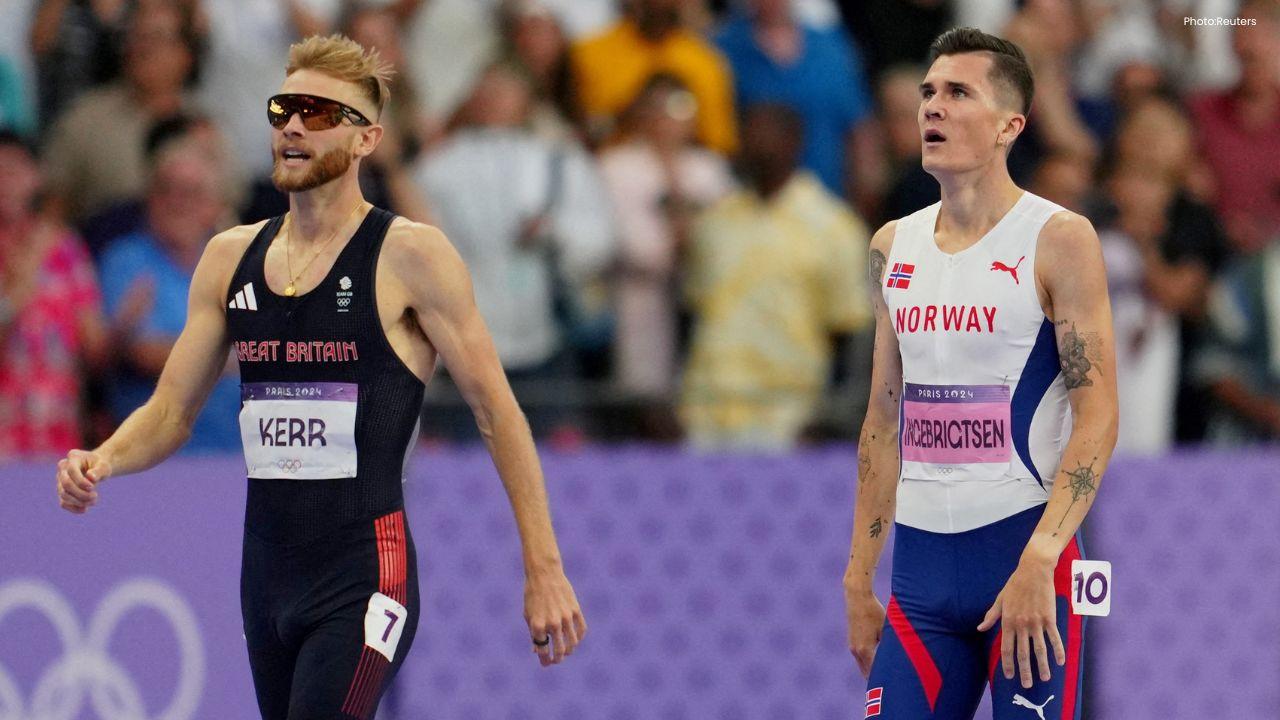




Josh Kerr and Jakob Ingebrigtsen Set for 1,500m Rivalry Rematch
Josh Kerr and Jakob Ingebrigtsen will renew their 1,500m rivalry at the Ultimate Championship in Bud

PSG Coach Luis Enrique Urges Players to Step Outside Comfort Zone
PSG coach Luis Enrique says players must leave their comfort zone and keep improving as the club tar

China’s Tiangong Sets New 400m Record at Robot Olympics
China’s Tiangong robot sets a new 400m record at the Robot Olympics, beating a South African robot i

George Russell Wins Dutch GP Sprint, Boosts Mercedes Morale
George Russell wins the Dutch GP Sprint from pole as Mercedes teammate Kimi Antonelli extends his F1

Australia 50/3 After Bangladesh Bowled Out for 64 in Second Test
Australia reached 50/3 after Bangladesh were bowled out for 64 in the second Test, with Mitchell Sta

Jordan Burroughs Returns to Wrestling with 2028 Olympic Dream
Jordan Burroughs returns to wrestling with Real American Freestyle as the Olympic champion eyes a po

