You have not yet added any article to your bookmarks!
Join 10k+ people to get notified about new posts, news and tips.
Do not worry we don't spam!
Post by : Anis Farhan
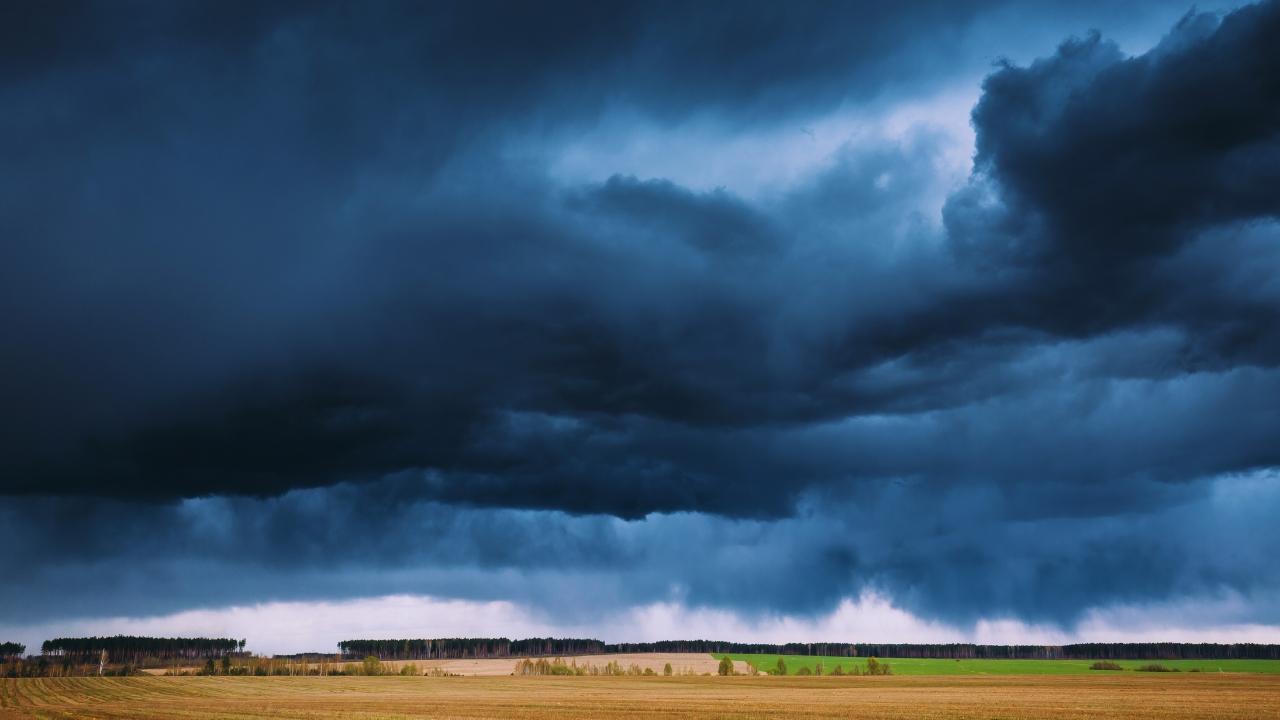
Hong Kong has long faced intense summer rain, but never like this. Between late July and mid-August 2025, the city endured four black rainstorm episodes within just eight days, with a fifth following soon after—marking the highest frequency ever recorded. One storm unleashed more than 350 millimetres of rainfall within 24 hours—the heaviest August downpour in over a century. The “black” rainstorm alert, the city’s highest warning level, was triggered repeatedly as floodwaters engulfed roads, hospitals, and neighborhoods.
Experts say this succession of extreme events isn't just a freak occurrence—it’s a flashing signal pointing to deeper weaknesses in our climate readiness.
Meteorologists and climate scientists have been piecing together what drove this barrage of extreme rainfall. Using advanced radar and AI-driven models, researchers tapped into three-dimensional wind field data to uncover the complex atmospheric triggers.
Their findings highlighted a convergence of powerful factors: surface airflow clashes, mid-level atmospheric waves, and jet stream shifts—all aligning to amplify intense convection. Notably, global AI weather models successfully forecasted two of the major storms up to a week in advance, suggesting predictive potential exists—but current planning systems remain decades behind.
The cascading storms overwhelmed Hong Kong’s aging infrastructure. Thoroughfares turned into turbulent rivers; drain systems choked; commuters, students, and medical patients were stranded indoors. With floods erupting across the Central and Western districts and near major hospitals, authorities responded by cancelling schools, suspending flights, and even pausing legal proceedings.
The Drainage Services Department admitted that despite frequent cleaning operations, sudden blockages from debris and fallen foliage during extreme rain cannot be fully prevented. This fragility highlights a painful truth: when climate changes outpace infrastructure upgrades, chaos becomes inevitable.
These black rainstorms have exposed deep flaws in how Hong Kong plans for climate threats. City planners continue to base infrastructure decisions on outdated models, while emissions targets remain vague and unenforceable. Emergency planning tends to be reactive rather than proactive, leaving workers, residents, and businesses vulnerable.
Leading scientists warned that unless planning models reflect the current—and accelerating—reality of rainfall and rising seas, infrastructure will constantly be playing catch-up. Activists are calling for immediate reform, transparency, and public consultation as the city updates its Climate Action Plan.
Behind every statistic is a human story. Workers stranded in flooded streets, children missing classes, hospitals struggling to keep clinics open—the storms have revealed the human cost of climate inaction.
Economic damages are already mounting. Tens of thousands experienced disruptions—around a fifth of flights were cancelled. Streets turned impassable; emergency services scrambled. Mental health impacts are likely to follow, as communities grieve loss, trauma, and a growing anxiety over what's next.
This wasn’t Hong Kong alone feeling climate’s fury. The wider region—from Guangdong to Thailand—has seen extreme weather unfold in recent weeks. Torrential floods have devastated parts of southern China, while monsoon systems packed unusual moisture and intensity. These events feed into a sobering truth: Asia’s climate volatility is surging and so far, largely unmitigated.
These events don’t just expose faults—they offer lessons:
Innovate Forecasting Systems: Hong Kong’s early success with AI forecasting should spur greater investment in predictive tools at synoptic and storm scales.
Invest in Green Infrastructure: Traditional drainage may no longer suffice. Think green roofs, permeable surfaces, flood retention areas—all help absorb water and reduce runoff.
Revise Building Codes: New constructions should be designed to withstand not just heavier rain, but flash flooding, power outages, and prolonged disruptions.
Mobilize Climate Diplomacy: Hong Kong’s storms are a regional symptom of global warming. Collaboration, knowledge-sharing, and solidarity may help cities adapt faster.
Hong Kong’s brutal summer should be a turning point. Updating warning systems, infrastructure design, and policy timelines isn’t optional—it’s survival. But true resilience means shifting from reaction to anticipation, from models rooted in the past to strategies built for tomorrow.
As authorities roll out the next iteration of the Climate Action Plan, what must emerge is a movement—not just policy. Schools, businesses, civil society, and every resident must become part of a unified climate response—not in fear, but in preparedness.
When the skies grow darker, Hong Kong’s future depends on how brightly it decided to shine back.
This article synthesizes recent scientific reports and media coverage. It is intended for information and analysis, not official guidance or policy direction.




Lamborghini Catches Fire on Singapore's ECP, Causing Heavy Traffic
A Lamborghini caught fire on Singapore's ECP, causing heavy traffic and bus delays. No injuries were

Bangkok Airport Duty-Free Area Flooded by Pipe Burst
A burst water pipe flooded the duty-free shopping area at Bangkok's Suvarnabhumi Airport on July 16,

Nine Monks Killed in Thailand Pickup Truck Tragedy
An 11-year-old boy driving a pickup truck crashed into monks during a pilgrimage in northeastern Tha
Anwar Congratulates Xi on CPC's 105th Anniversary
Malaysia reaffirms strong ties with China as PM Anwar Ibrahim sends a congratulatory letter to Presi
Thai Agriculture Team Reviews 2026 Farm Development Plans
Agriculture Ministry officials inspected livestock and organic rice projects in Nakhon Sawan to moni

Thailand, Canada Boost Ties in PM-Level Phone Talks
Thailand and Canada agreed to strengthen trade, security, OECD cooperation and ASEAN-Canada FTA talk