You have not yet added any article to your bookmarks!
Join 10k+ people to get notified about new posts, news and tips.
Do not worry we don't spam!
Post by : Anis Farhan
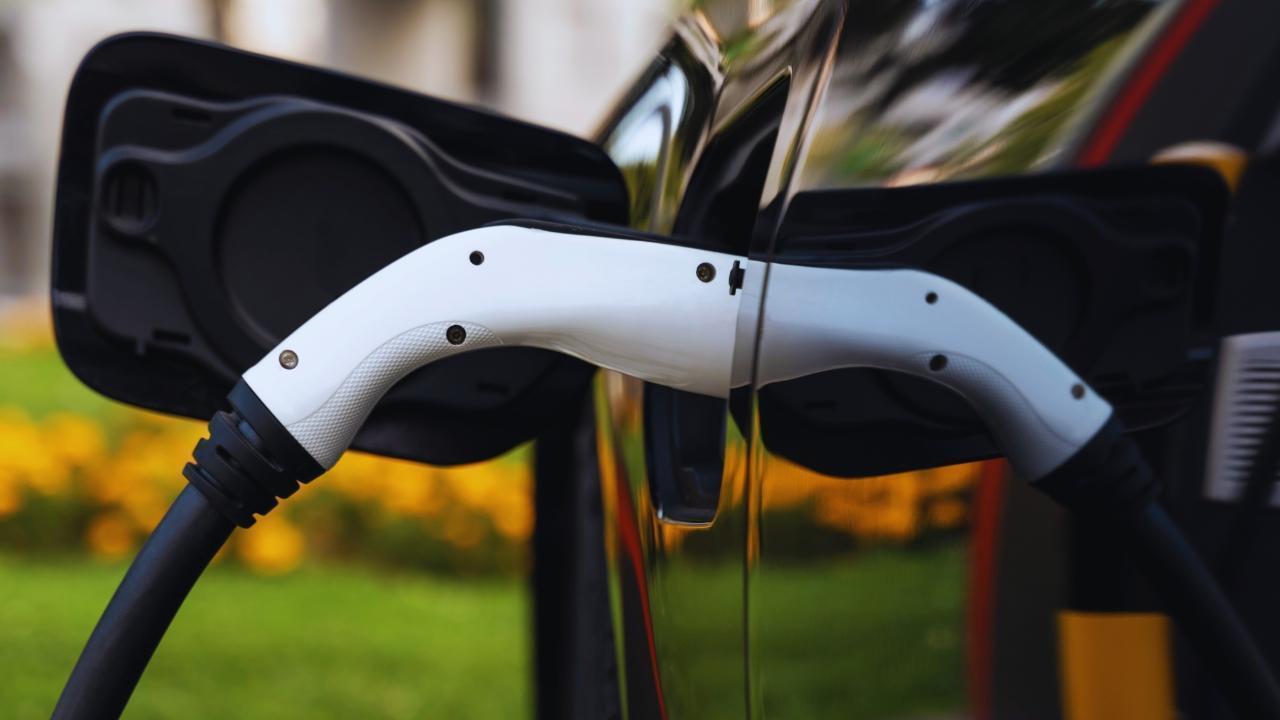
Electric vehicles (EVs) are no longer just a Western or Chinese phenomenon; they are gaining serious traction in Southeast Asia. From bustling streets of Bangkok to the highways of Jakarta, EVs are becoming part of the daily conversation and a visible symbol of modernity. The shift toward cleaner mobility in this region is not only about technology adoption but also about economic opportunity, industrial competitiveness, and environmental responsibility. Governments across the region are pushing for ambitious electrification strategies, and global investors are pouring billions into building the EV ecosystem. This isn’t just a transportation story; it’s an industrial revolution with deep social and economic implications.
Policy is the backbone of Southeast Asia’s EV rise. Countries like Thailand, Malaysia, and Indonesia are leading the charge with targeted incentives, subsidies, and clear national roadmaps. Thailand, for instance, aims to make EVs account for 30% of its total vehicle production by 2030. Indonesia, with its vast nickel reserves, is positioning itself as the EV battery hub of Asia. Meanwhile, Malaysia has rolled out tax incentives to attract automakers and expand its EV assembly capacity. These policy frameworks provide certainty for investors and manufacturers, setting the stage for rapid growth.
Foreign direct investment is accelerating the EV revolution. Companies like Hyundai, Toyota, BYD, and Tesla have announced major production plans or partnerships in the region. Indonesia has attracted multibillion-dollar battery manufacturing deals with South Korean and Chinese giants, while Singapore is focusing on EV charging infrastructure and smart mobility solutions. Local automakers are not sitting idle either—VinFast from Vietnam is making international headlines by expanding into North America and Europe, signaling that Southeast Asia is ready to compete on a global scale.
Southeast Asia’s rising middle class is another catalyst. Consumers are increasingly aware of climate change, fuel costs, and health impacts from urban pollution. EVs are being marketed not just as eco-friendly, but as symbols of status, innovation, and forward-thinking lifestyles. In Bangkok, EV taxis are becoming more common. In Jakarta, government fleets are adopting EVs to set an example. Although affordability remains a challenge, the declining costs of batteries and the introduction of more compact, budget-friendly EVs are widening accessibility.
Despite the excitement, infrastructure remains the biggest hurdle. Reliable charging stations, grid capacity, and urban planning must catch up with EV adoption. Singapore has pledged to install 60,000 charging points by 2030, while Thailand and Malaysia are rapidly expanding their networks. Indonesia’s challenge lies in its geographic spread—ensuring EV coverage across its vast islands is no small task. The silver lining is that this demand is spurring a whole new industry of startups and energy companies focused on building the backbone of the EV revolution.
Indonesia’s nickel reserves are pivotal to the global EV battery supply chain. This resource advantage is why the country is attracting massive investments in refining and production. However, questions remain about environmental sustainability and mining practices. The balance between economic gain and ecological responsibility will determine how sustainable this boom really is. Other nations in the region, such as the Philippines, are also evaluating their resource potential in the EV ecosystem.
While China, Europe, and the U.S. dominate headlines in the EV industry, Southeast Asia is quietly carving out its niche. Its combination of raw materials, young workforce, rising consumer base, and favorable government policies is making it an attractive alternative to the more saturated markets. If the region continues on this trajectory, it may not only meet its local demand but also become a major exporter of EVs and related technologies.
The EV revolution is more than an environmental initiative—it’s a jobs and growth engine. New factories are creating thousands of employment opportunities, while local universities are expanding training programs in green technology. For consumers, the shift promises lower fuel expenses and reduced pollution-related health issues. For governments, it offers a chance to strengthen energy security by reducing dependence on imported fossil fuels.
The momentum is undeniable, but challenges remain. High upfront costs, patchy infrastructure, and skepticism about performance in tropical climates are hurdles that need addressing. Governments and private players must collaborate to ensure that the boom does not fizzle out into a temporary trend. If Southeast Asia can sustain its current trajectory, the region could become one of the most exciting frontiers in the global EV industry over the next decade.
This article is based on current industry developments and publicly available data. It is intended for informational purposes only and does not constitute financial or investment advice.







Lamborghini Catches Fire on Singapore's ECP, Causing Heavy Traffic
A Lamborghini caught fire on Singapore's ECP, causing heavy traffic and bus delays. No injuries were

Bangkok Airport Duty-Free Area Flooded by Pipe Burst
A burst water pipe flooded the duty-free shopping area at Bangkok's Suvarnabhumi Airport on July 16,

Nine Monks Killed in Thailand Pickup Truck Tragedy
An 11-year-old boy driving a pickup truck crashed into monks during a pilgrimage in northeastern Tha
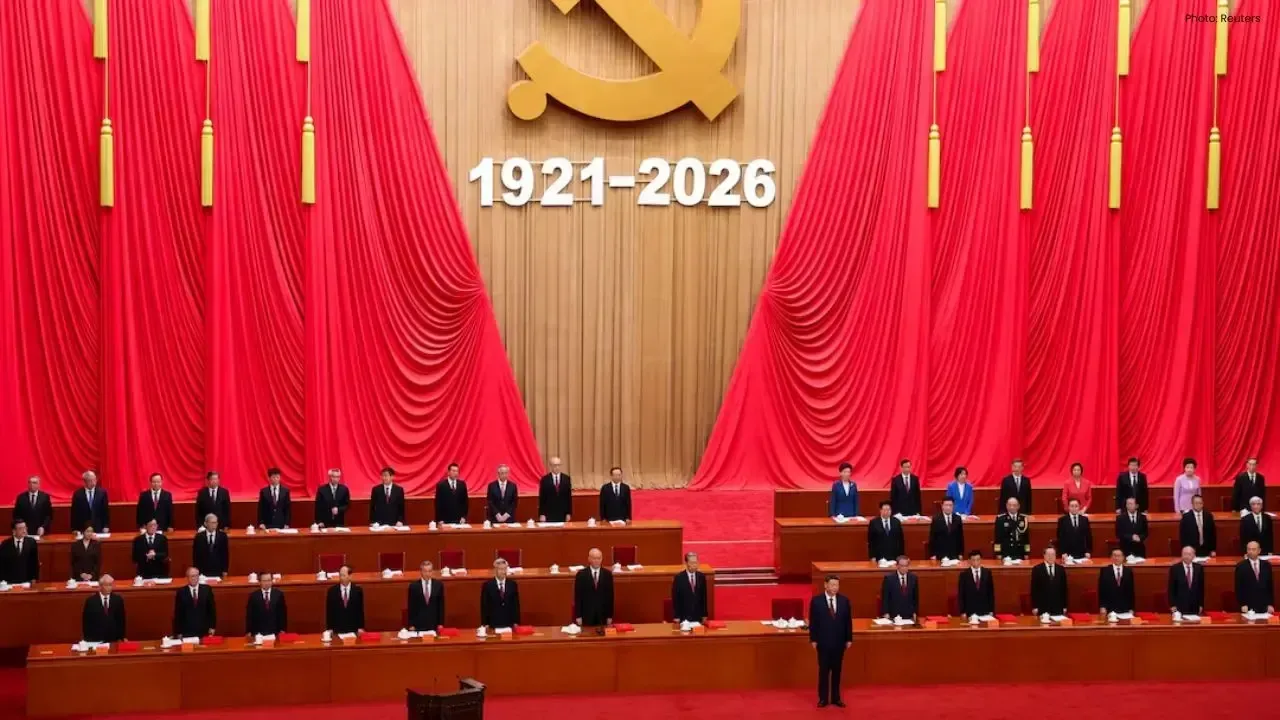
Anwar Congratulates Xi on CPC's 105th Anniversary
Malaysia reaffirms strong ties with China as PM Anwar Ibrahim sends a congratulatory letter to Presi

Thai Agriculture Team Reviews 2026 Farm Development Plans
Agriculture Ministry officials inspected livestock and organic rice projects in Nakhon Sawan to moni

Thailand, Canada Boost Ties in PM-Level Phone Talks
Thailand and Canada agreed to strengthen trade, security, OECD cooperation and ASEAN-Canada FTA talk