You have not yet added any article to your bookmarks!
Join 10k+ people to get notified about new posts, news and tips.
Do not worry we don't spam!

Post by : Meena Ariff
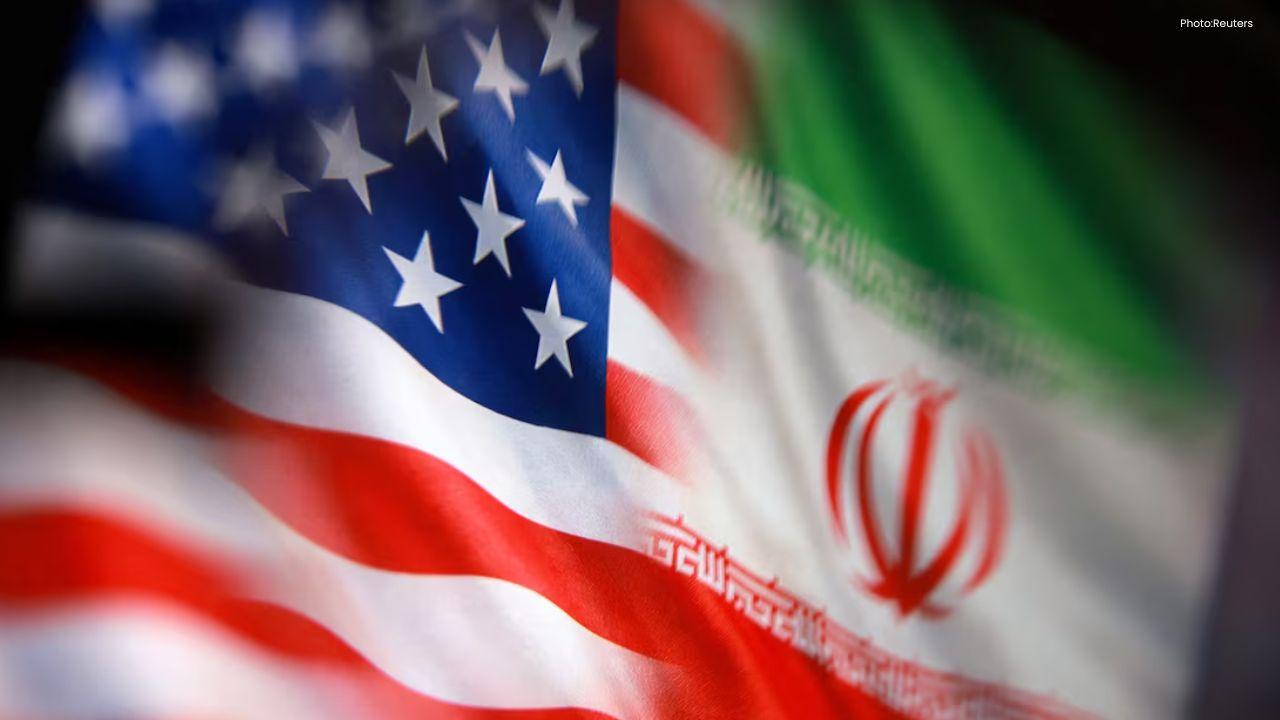
Intensive diplomatic efforts by four Arab nations helped prevent a possible US military strike on Iran this week, as regional leaders moved quickly to contain rising tensions linked to Tehran’s crackdown on protesters.
Saudi Arabia, Qatar, Oman, and Egypt carried out urgent talks with both Washington and Tehran over a 48-hour period, warning that any military action could trigger serious security and economic consequences across the Middle East. The behind-the-scenes engagement came amid growing fears that a conflict could rapidly spill beyond Iran and directly affect Gulf states.
According to a senior Gulf official familiar with the discussions, the four countries cautioned the United States that an attack on Iran would not remain limited in scope. They stressed that retaliation could threaten regional stability, disrupt energy supplies, and damage global markets — outcomes that would ultimately harm American interests as well.
At the same time, the Arab states delivered clear messages to Tehran. Iran was warned that any response targeting US military facilities in Gulf countries would severely strain its relations with neighboring states and undermine recent diplomatic progress in the region.
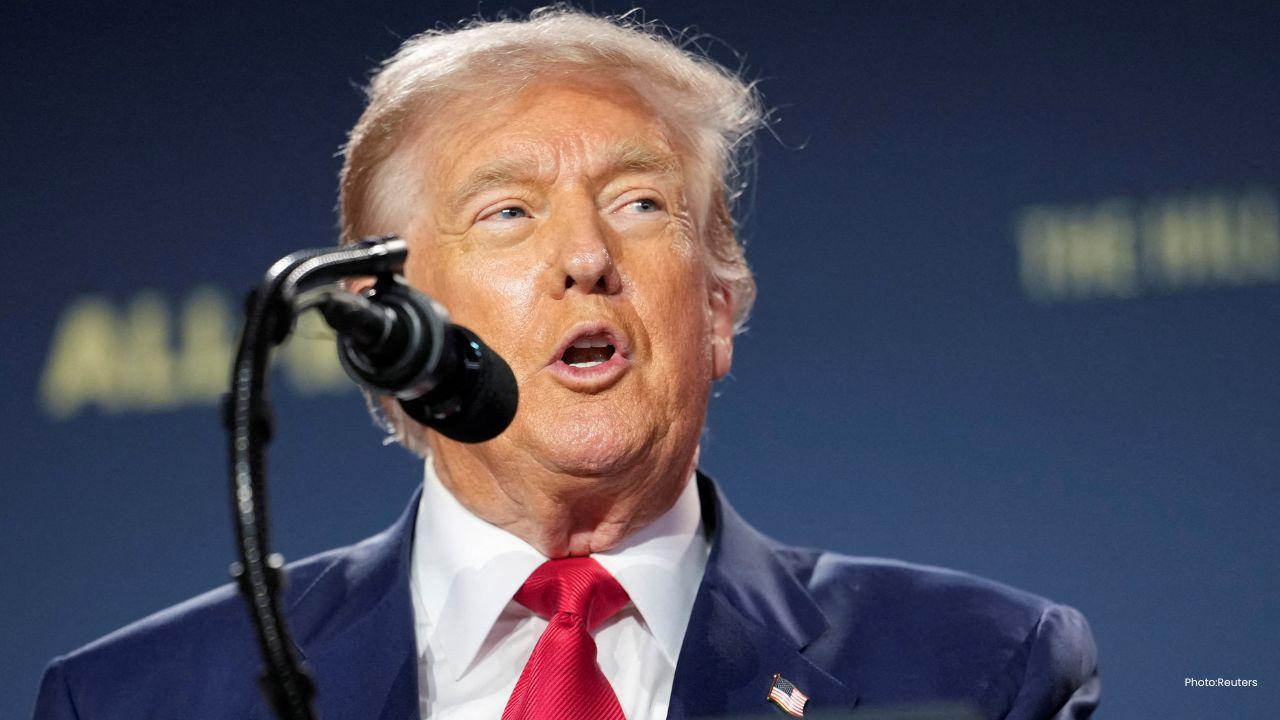
The diplomatic push preceded US President Donald Trump’s announcement that he had decided not to authorize a strike for the time being, citing signs that violence inside Iran was easing. Regional officials saw this decision as a critical pause that reduced the immediate risk of escalation.
Efforts focused on lowering tensions, moderating rhetoric, and preventing miscalculations that could lead to a wider conflict. The Gulf official said the diplomacy may also create space for renewed dialogue on Iran’s nuclear programme, a long-standing point of dispute between Tehran and Western powers.
Oman and Qatar, both experienced intermediaries in past standoffs between Iran and the West, played key roles in relaying messages and encouraging restraint. Saudi Arabia and Egypt, despite historically strained relations with Iran, joined the effort due to concerns about regional security and economic stability.
Saudi Arabia’s involvement reflects a broader shift in regional priorities following its 2023 détente with Iran, which ended years of open rivalry. Riyadh has since focused on economic growth and reducing regional tensions that could threaten long-term development plans.
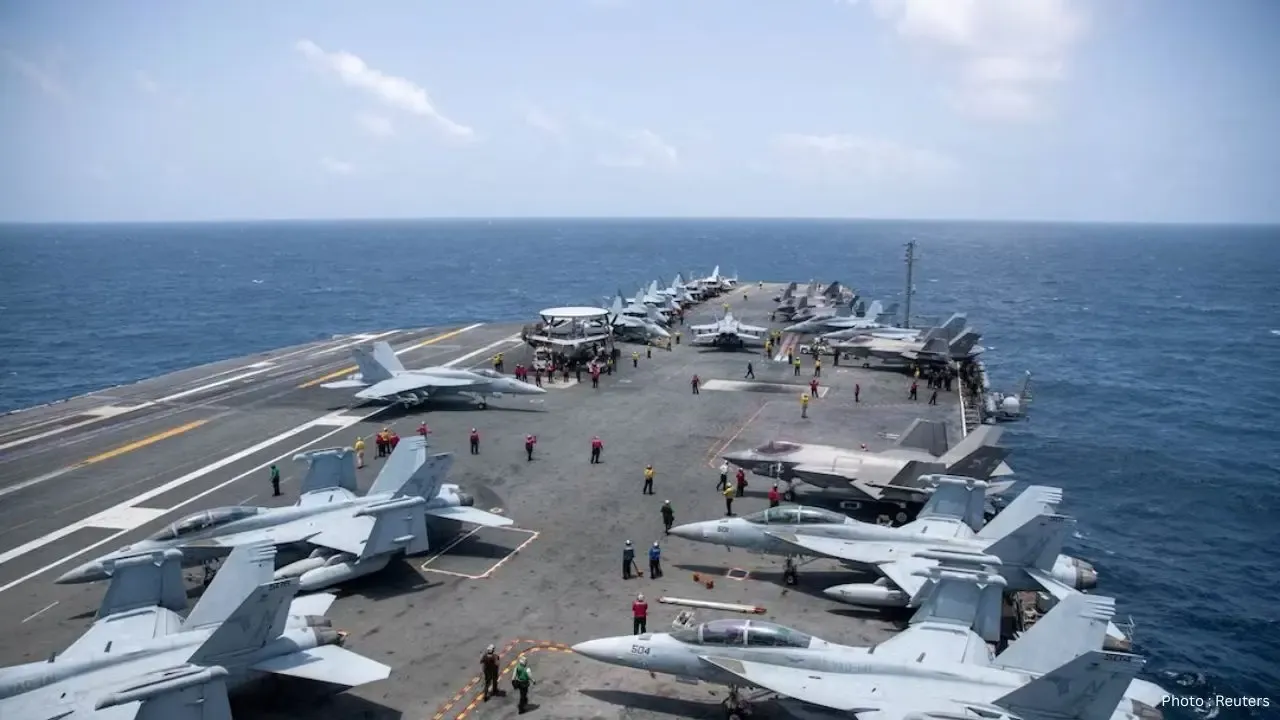
Gulf countries remain wary that US military bases on their soil could be drawn into any conflict involving Iran. There are also deep concerns that energy infrastructure critical to the global economy could become targets, further raising the stakes of any military confrontation.
Saudi Arabia and Qatar maintain strong ties with the Trump administration, while Qatar and Egypt have worked closely with the United States on mediation efforts in Gaza. These relationships helped amplify regional concerns in Washington during the crisis.
While the immediate threat of military action has subsided, officials caution that tensions between the United States and Iran remain unresolved. Still, the coordinated diplomatic effort by Arab states highlights the growing importance of regional mediation in preventing sudden escalation in an already fragile Middle East.






George Russell Wins Dutch GP Sprint, Boosts Mercedes Morale
George Russell wins the Dutch GP Sprint from pole as Mercedes teammate Kimi Antonelli extends his F1

Australia 50/3 After Bangladesh Bowled Out for 64 in Second Test
Australia reached 50/3 after Bangladesh were bowled out for 64 in the second Test, with Mitchell Sta

Jordan Burroughs Returns to Wrestling with 2028 Olympic Dream
Jordan Burroughs returns to wrestling with Real American Freestyle as the Olympic champion eyes a po

Lamborghini Catches Fire on Singapore's ECP, Causing Heavy Traffic
A Lamborghini caught fire on Singapore's ECP, causing heavy traffic and bus delays. No injuries were

Bangkok Airport Duty-Free Area Flooded by Pipe Burst
A burst water pipe flooded the duty-free shopping area at Bangkok's Suvarnabhumi Airport on July 16,
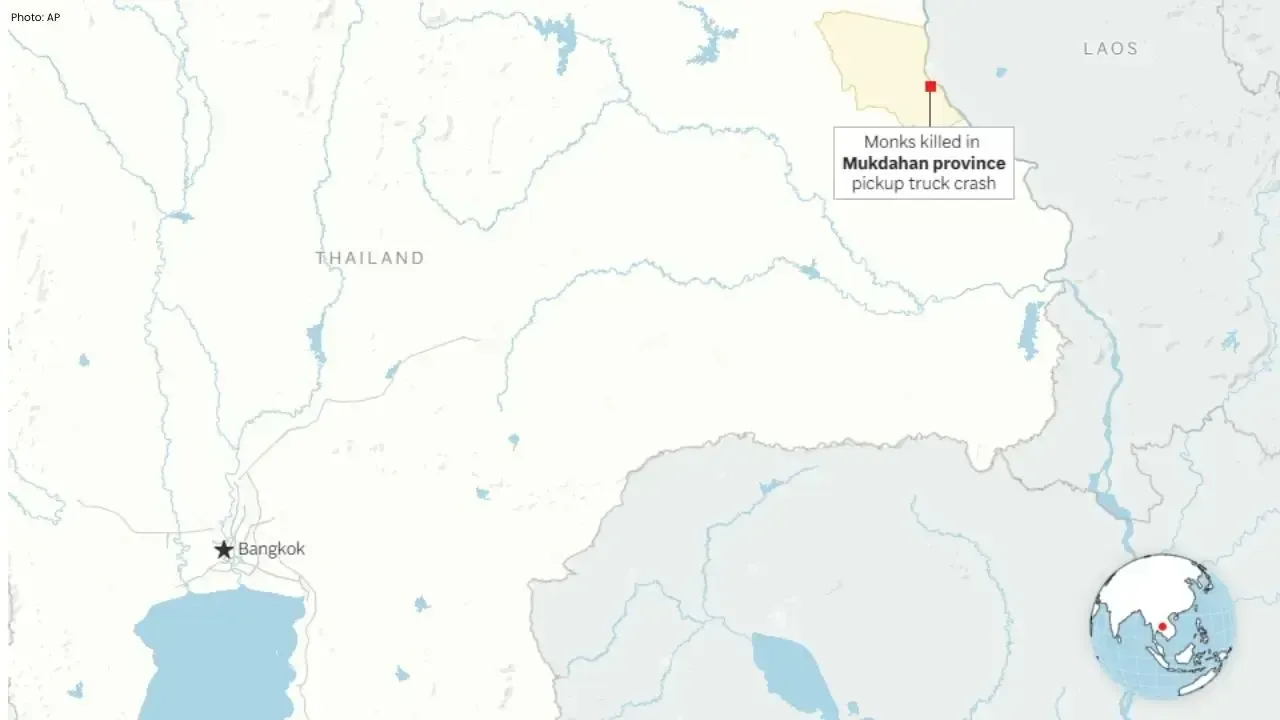
Nine Monks Killed in Thailand Pickup Truck Tragedy
An 11-year-old boy driving a pickup truck crashed into monks during a pilgrimage in northeastern Tha