You have not yet added any article to your bookmarks!
Join 10k+ people to get notified about new posts, news and tips.
Do not worry we don't spam!
Post by : Anis Farhan
Your 20s are often filled with excitement—first jobs, independence, and new experiences—but they can also be financially confusing. Many young adults find themselves struggling to balance rising rents, student loans, and lifestyle expenses. Smart budgeting during this decade is not just about pinching pennies; it’s about laying a foundation for long-term stability. The earlier you develop healthy financial habits, the easier it becomes to navigate life’s bigger financial challenges later on.
The term “Generation Rent” reflects a reality many young adults face: renting instead of owning property. Home prices have soared beyond affordability for most 20-somethings, particularly in cities. While home ownership may not be immediately attainable, that doesn’t mean financial progress is out of reach. Budgeting with intention allows Generation Rent to secure financial stability, build savings, and invest in experiences without feeling deprived.
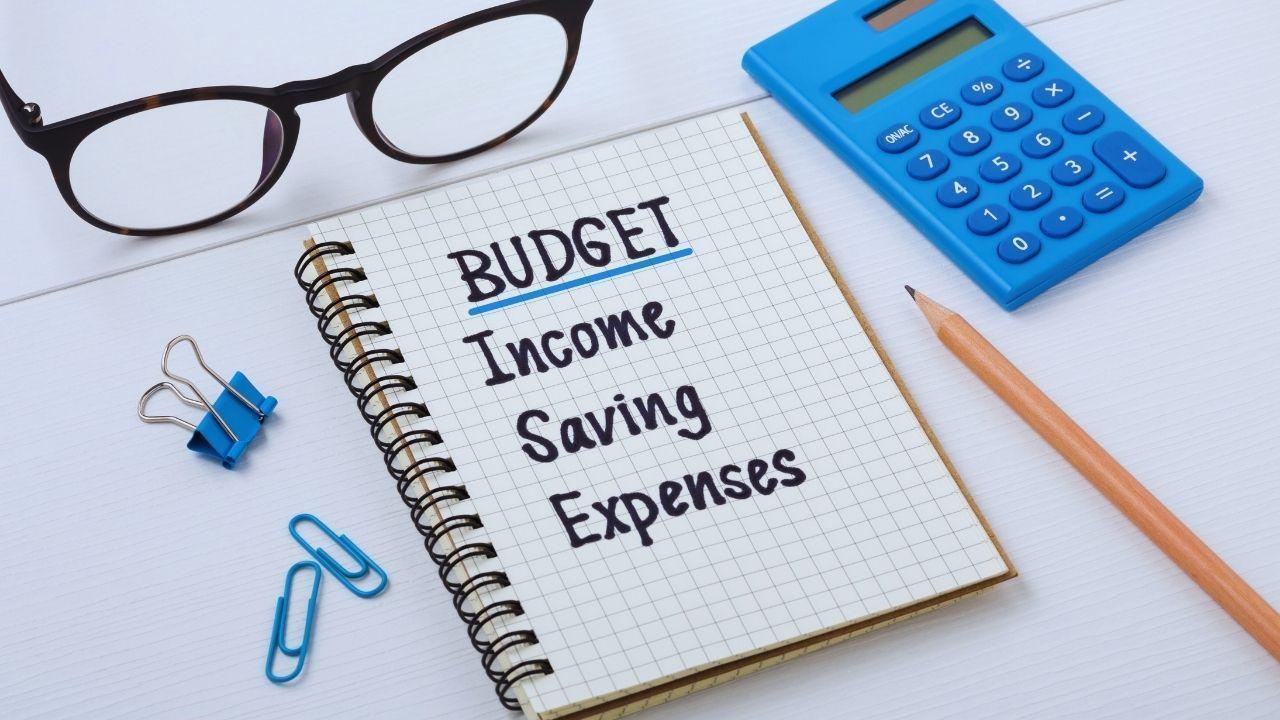
A simple yet effective approach to budgeting is the 50/30/20 rule. This method divides your after-tax income into three categories:
50% Needs: Rent, utilities, groceries, transportation.
30% Wants: Eating out, entertainment, travel, hobbies.
20% Savings and Debt Repayment: Emergency fund, retirement accounts, and student loans.
While the percentages may need adjusting depending on where you live, the structure helps prevent overspending and ensures you’re working toward future goals.
Rent often consumes the largest portion of a young adult’s income. To keep this manageable, financial experts recommend spending no more than 30–35% of your income on housing. Sharing an apartment with roommates, considering suburban areas, or negotiating with landlords can free up hundreds of dollars each month. Those savings can then be redirected into paying down debt or building a strong emergency cushion.
Unexpected costs—car repairs, medical bills, or job loss—can derail even the best budgets. Setting aside at least three to six months of living expenses in an emergency fund creates a safety net. Even if you can only save $50–100 a month, consistency matters. Over time, these contributions add up and give you peace of mind knowing that financial surprises won’t push you into debt.
Many young adults in their 20s carry the burden of student loans. Ignoring debt can quickly lead to higher interest costs. Budgeting extra payments each month, even small ones, reduces long-term stress. For high-interest debts like credit cards, prioritize paying them off before tackling lower-interest loans. Automating payments ensures you stay consistent and avoid late fees.
Saving isn’t about leftover money—it’s about making it a non-negotiable expense. Automating savings ensures that a portion of your income is directed toward goals before you spend on wants. Whether it’s for a future home, travel fund, or retirement, developing this discipline in your 20s builds lifelong financial confidence.
Many young adults hesitate to invest, thinking it’s too early or too complex. In reality, your 20s are the best time to start, thanks to the power of compound interest. Even small contributions to retirement accounts like a 401(k) or IRA can grow into significant sums over decades. For those with limited funds, low-cost index funds or apps that allow micro-investing make it easy to begin.
Budgeting doesn’t mean living a joyless life. The key is making intentional choices. Cook at home more often instead of dining out, look for free events in your city, and take advantage of student or young professional discounts. Substituting small habits—like brewing coffee at home instead of daily café runs—can save hundreds over the year without feeling like a huge sacrifice.
With living costs rising, relying solely on a 9-to-5 paycheck can feel limiting. Many in their 20s are turning to side hustles—freelancing, online businesses, or gig work—to supplement income. These extra earnings can accelerate savings goals, help pay off debt faster, or provide the flexibility to enjoy more leisure activities without derailing the budget.
One of the hardest aspects of budgeting in your 20s is peer pressure. Friends may spend lavishly on nights out, travel, or shopping. Learning to prioritize your financial goals and occasionally saying “no” is a skill that pays off. Balancing fun with responsibility allows you to stay on track without feeling isolated.
Even if buying a home feels impossible right now, budgeting helps prepare you for the future. Saving for a down payment, building good credit, and learning about mortgages can make homeownership more attainable later. Beyond that, planning for retirement in your 20s—even with small amounts—ensures financial security in your later years.
Ultimately, budgeting in your 20s is less about strict rules and more about creating a healthy relationship with money. Shifting from seeing a budget as a restriction to viewing it as a tool for freedom changes the way you spend. It’s not about saying no to everything; it’s about saying yes to the things that matter most.
This article is intended for informational purposes only. It does not constitute financial advice. Readers are encouraged to consult with certified financial professionals for personalized guidance.










Jordan Burroughs Returns to Wrestling with 2028 Olympic Dream
Jordan Burroughs returns to wrestling with Real American Freestyle as the Olympic champion eyes a po

Lamborghini Catches Fire on Singapore's ECP, Causing Heavy Traffic
A Lamborghini caught fire on Singapore's ECP, causing heavy traffic and bus delays. No injuries were

Bangkok Airport Duty-Free Area Flooded by Pipe Burst
A burst water pipe flooded the duty-free shopping area at Bangkok's Suvarnabhumi Airport on July 16,

Nine Monks Killed in Thailand Pickup Truck Tragedy
An 11-year-old boy driving a pickup truck crashed into monks during a pilgrimage in northeastern Tha

Anwar Congratulates Xi on CPC's 105th Anniversary
Malaysia reaffirms strong ties with China as PM Anwar Ibrahim sends a congratulatory letter to Presi

Thai Agriculture Team Reviews 2026 Farm Development Plans
Agriculture Ministry officials inspected livestock and organic rice projects in Nakhon Sawan to moni