
You have not yet added any article to your bookmarks!
Join 10k+ people to get notified about new posts, news and tips.
Do not worry we don't spam!
Post by : Saif Rahman
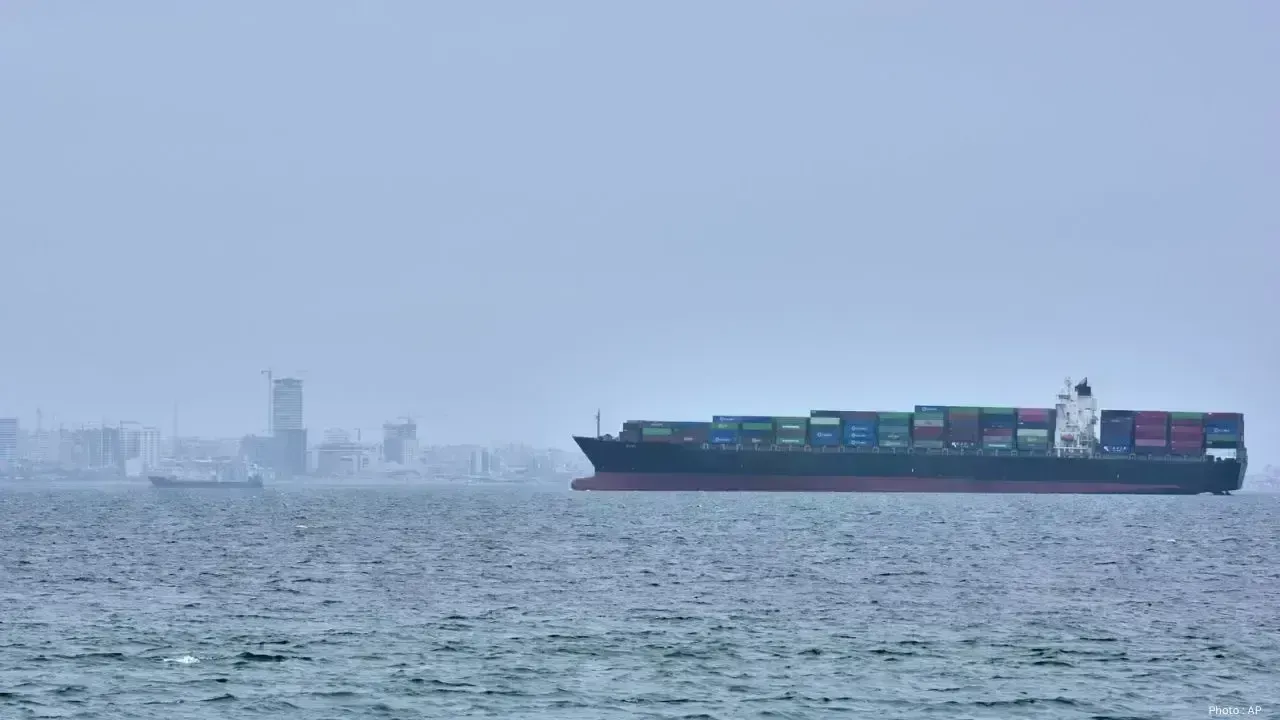
The escalating situation in the Strait of Hormuz has caught the world’s attention, with increased confrontations between Iran and the United States. This crucial waterway serves as a primary corridor for global oil transport, and any disturbances within could have far-reaching effects on energy supplies, trade, and economies worldwide.
Recent developments indicate a downturn in shipping activities due to security anxieties. Oil tankers and cargo vessels are exercising greater caution, with many companies opting to steer clear of this vital route. Consequently, this has led to instability in global markets, resulting in a rise in oil prices.
This strait accounts for a significant portion of the world’s oil passage. When activity here is threatened, countries relying on oil imports face the potential for increased fuel costs, impacting transportation costs, food pricing, and everyday financial burdens.
The current escalation relates to the heightened tensions between Iran and the US, both of whom have amplified their military presences in the area. While the US aims to safeguard shipping lanes, Iran showcases its ability to obstruct movements in the strait. This provokes a dynamic where both entities remain operational without a clear resolution in sight.
Editorially, this scenario sheds light on the vulnerability of crucial international trade pathways. Even minor disturbances in strategic zones can resonate widely across the global economy, illustrating the interconnectedness of energy markets and political affairs.
Experts are cautioning that ensuring safety in the Strait of Hormuz is a formidable challenge. The narrow and bustling waterway is hard to monitor completely, and advanced tactics involving smaller vessels and drones complicate the efforts of major naval forces to guarantee ship security.
Furthermore, the specter of escalation looms large. Continued tensions might provoke a wider conflict, impacting oil supplies and disrupting global trade, thereby heightening economic strains on various nations.
Alternatives are limited for firms looking to bypass the strait, often involving more costly routes. Thus, the Strait of Hormuz is poised to remain an essential corridor for global energy flow.
For countries in development, the repercussions are particularly severe. Escalating oil prices could usher in inflation, making essential goods pricier, which intensifies pressure on families and stymies economic growth.
This crisis underscores the necessity for robust diplomatic strategies. While military presence may help mitigate immediate threats, enduring stability will hinge on dialogue and collaboration among nations.
The current climate in the Strait of Hormuz extends beyond mere regional implications. It poses a global challenge impacting energy security, trade, and economic stability. The days ahead are crucial in determining whether a resolution is reached or if the situation escalates.
#world news #Global News #World Update #Global Updates #Hormuz










PM Modi Pays Tribute to Mahatma Gandhi, Urges People to Support Khadi
PM Modi pays tribute to Mahatma Gandhi on Gandhi Jayanti and urges citizens to support Khadi and the

Amazon Seeks to Offload $8 Billion in Nvidia Chips to Investors
Amazon plans to move $8 billion in Nvidia chips to investors, using a new financing model to strengt

Samsung Raises Galaxy S26 Prices as Memory Chip Costs Rise
Samsung raises Galaxy S26 prices in South Korea as rising memory chip costs put pressure on smartpho

Lewis Hamilton Calls Singapore Grand Prix One of F1's Toughest Races
Lewis Hamilton discusses the demanding Singapore Grand Prix and brings Plus44 and Almave to Singapor

Denmark's Pandora Opens World's Largest Jewellery Factory in Vietnam
Pandora opens its largest jewellery factory in Vietnam, expanding global production, strengthening s

Gautam Gambhir Questions Batting-Friendly Pitches After India's Record ODI Chase
Gautam Gambhir questions batting-friendly ODI pitches after India’s record chase, calling for a bett

