You have not yet added any article to your bookmarks!
Join 10k+ people to get notified about new posts, news and tips.
Do not worry we don't spam!
Post by : Samjeet Ariff
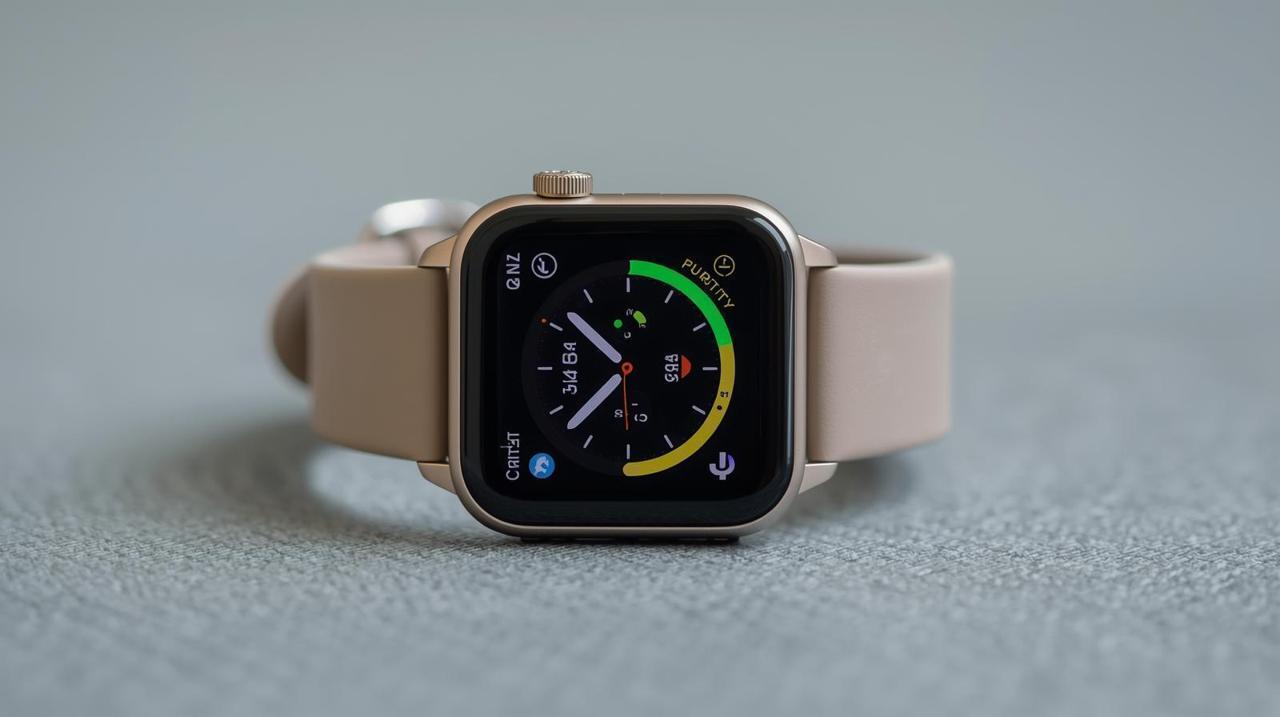
In an era where data informs decisions, wearable devices have evolved from niche fitness accessories into practical tools for managing personal health and wellness. From smartwatches and rings to dedicated ECG and sleep sensors, these gadgets give users and clinicians ongoing visibility into key physiological metrics. They now play a role in monitoring heart rhythm, oxygen levels, stress responses and sleep patterns, changing how people and healthcare systems approach prevention and care.
Wearables are not new in concept—step counters and basic heart-rate monitors have long been available—but recent strides in sensor miniaturization, machine learning and instantaneous analytics have dramatically expanded their capabilities.
Modern products such as Apple Watch, Fitbit, Garmin and Oura provide more than activity counts: they can flag irregular cardiac activity, estimate blood oxygen saturation (SpO2), assess stress markers and model sleep stages with growing precision.
Market forecasts indicate the global wearable health market could top $150 billion by 2028, driven by consumer adoption and clinical interest in continuous monitoring.
A defining benefit of wearables is their ability to provide continuous, real-time data. Users gain immediate feedback on physiological changes without waiting for clinical visits.
Commonly tracked metrics include:
Heart rate (HR) and heart rate variability (HRV)
Daily steps and estimated calorie expenditure
Blood oxygen levels (SpO2)
Sleep length and restorative quality
Skin temperature
Electrocardiogram (ECG) tracings
These continuous signals enable users to alter behaviour in the moment—pausing an intense session, hydrating, or stepping back to breathe when stress indicators rise.
Wearables are increasingly used as early detection tools rather than simple trackers.
For example:
The Apple Watch ECG capability has helped identify cases of atrial fibrillation, prompting earlier clinical follow-up.
Products like the Fitbit Sense and Withings ScanWatch can surface signs of stress, fatigue or respiratory irregularities.
Ongoing monitoring of oxygenation and heart metrics supports management of conditions such as asthma, COPD and sleep apnoea.
By highlighting subtle deviations, wearables can reduce the likelihood of acute events and lower unplanned hospital visits.
Wearables also act as behavioural nudges. Gamification, reminders and personalised targets convert wellness objectives into achievable daily actions.
Research shows users of wearable tech are likelier to meet activity benchmarks, improve diet and maintain consistent sleep—benefits that accumulate over time.
Typical habits encouraged by these devices include:
Standing or moving periodically throughout the day
Aiming for 7–8 hours of restorative sleep
Reaching step counts or training goals
Engaging in breathing exercises and mindfulness sessions
Artificial intelligence is central to extracting value from wearable data. By detecting patterns in everyday readings, AI delivers tailored recommendations—identifying optimal training windows, common stress triggers and sleep disruptors.
Specialised platforms like WHOOP and Oura leverage machine learning to help users and athletes fine-tune recovery, performance and schedules.
In clinical settings, AI can flag gradually emerging risks that might be missed in snapshot assessments, such as persistent declines in HRV or recurring oxygen dips.
Integration of wearable outputs into telehealth and electronic medical records is becoming more common. This connectivity furnishes clinicians with longitudinal data between appointments.
Practitioners can monitor:
Recovery after surgery
Chronic condition management (eg, diabetes, hypertension)
Remote monitoring and virtual care
Such continuous information supports recommendations grounded in long-term trends rather than isolated readings.
Many contemporary devices now target mental health indicators as well as physical data. Sensors that measure electrodermal activity (EDA) and stress-related physiological shifts are integrated into devices like Fitbit Sense and Samsung Galaxy Watch.
Built-in guided breathing and mindfulness programmes help users manage anxiety, while trend analysis over weeks or months clarifies what situations most affect mood and stress.
The next wave of innovation will extend beyond the wrist to include:
Smart textiles that monitor cardiovascular and thermal data as well as posture
Non-invasive glucose monitoring aimed at people with diabetes
Implantable sensors for continuous organ-specific surveillance
Predictive AI that anticipates illness risk from subtle, long-term trends
With broader 5G coverage and more extensive IoT ecosystems, devices will become more tightly integrated, accurate and accessible—supporting better day-to-day and clinical decision-making.
Despite the promise, wearable health data raises legitimate privacy and security questions. Sensitive physiological records require robust encryption and careful governance. Users should scrutinise what information is collected, how it is used, and which partners have access.
Opting for manufacturers with clear privacy policies and compliance with recognised healthcare data standards helps reduce exposure.
Wearable technology is shifting healthcare from episodic, clinic-centred interactions toward continuous, data-informed care. By enabling ongoing measurement, early detection and personalised guidance, these devices are narrowing the divide between everyday life and medical oversight.
Whether for athletic optimisation, chronic disease support or everyday wellbeing, wearables are equipping individuals and clinicians with new tools to act earlier and smarter.
In short: Health monitoring is becoming continuous, connected and more proactive—starting with the devices people wear daily.










George Russell Wins Dutch GP Sprint, Boosts Mercedes Morale
George Russell wins the Dutch GP Sprint from pole as Mercedes teammate Kimi Antonelli extends his F1

Australia 50/3 After Bangladesh Bowled Out for 64 in Second Test
Australia reached 50/3 after Bangladesh were bowled out for 64 in the second Test, with Mitchell Sta

Jordan Burroughs Returns to Wrestling with 2028 Olympic Dream
Jordan Burroughs returns to wrestling with Real American Freestyle as the Olympic champion eyes a po

Lamborghini Catches Fire on Singapore's ECP, Causing Heavy Traffic
A Lamborghini caught fire on Singapore's ECP, causing heavy traffic and bus delays. No injuries were

Bangkok Airport Duty-Free Area Flooded by Pipe Burst
A burst water pipe flooded the duty-free shopping area at Bangkok's Suvarnabhumi Airport on July 16,

Nine Monks Killed in Thailand Pickup Truck Tragedy
An 11-year-old boy driving a pickup truck crashed into monks during a pilgrimage in northeastern Tha