
You have not yet added any article to your bookmarks!
Join 10k+ people to get notified about new posts, news and tips.
Do not worry we don't spam!
Post by : Rameen Ariff
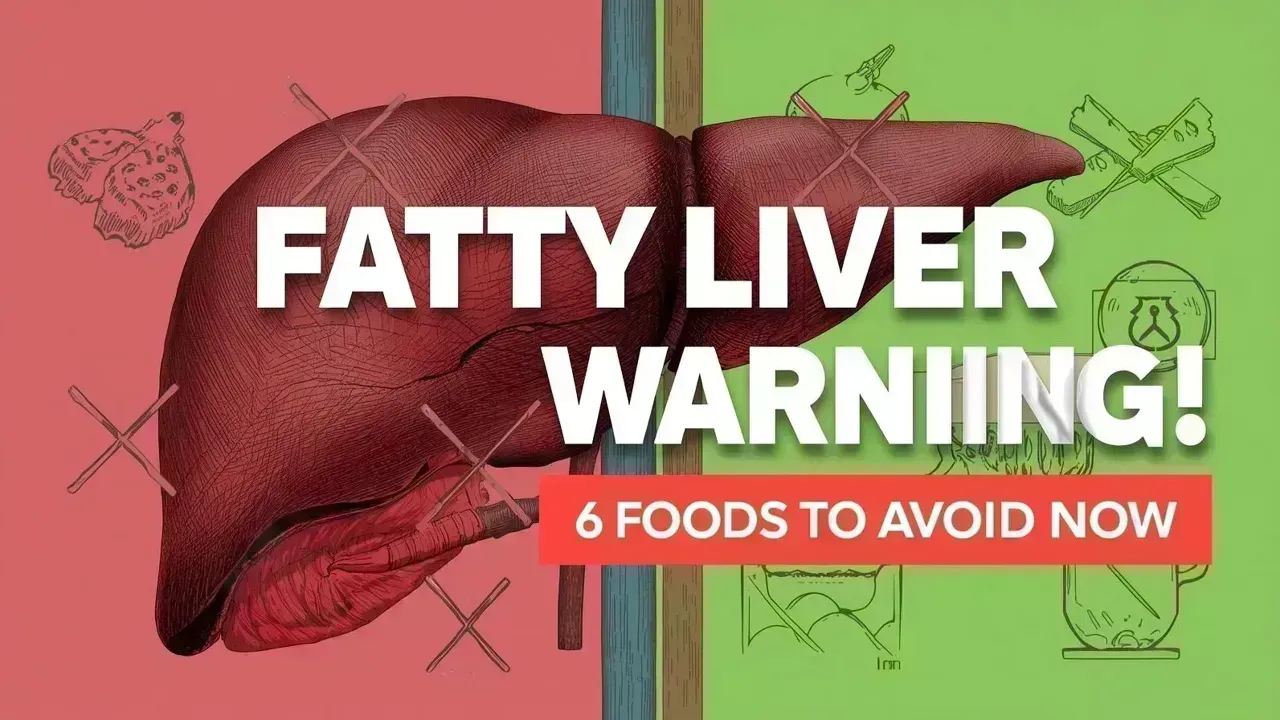
Fatty liver disease, also known as Non-Alcoholic Fatty Liver Disease, is gaining recognition as a widespread lifestyle-related health issue globally. This condition arises when an excessive buildup of fat occurs in liver cells, frequently due to a poor diet, lack of exercise, obesity, or metabolic disturbances. One alarming aspect is that the disease often presents no obvious symptoms in its early phases, enabling it to advance unnoticed.
As a vital organ in the body, the liver plays a key role in detoxifying, metabolizing, digesting, and storing nutrients. An accumulation of fat impairs these crucial functions. Without appropriate management, fatty liver can progress to conditions like inflammation, liver fibrosis, or severe liver damage.
The encouraging news is that fatty liver can be reversed, especially if addressed early on. A significant method for reversing the condition involves diet control. While many focus on adding nutritious foods, experts stress the need to eliminate certain unhealthy foods from daily diets. These foods exacerbate fat storage in the liver and further deteriorate metabolic health.
Identifying which foods to avoid—and understanding their impact—marks the initial move towards safeguarding your liver and enhancing overall wellness.
Out of all dietary threats, high sugar intake stands out as one of the most harmful for individuals with fatty liver. Foods rich in fructose, often found in soda, packaged juices, desserts, and processed snacks, pose significant risks.
When consumed in large quantities, your body doesn’t immediately utilize the sugar for energy. Instead, the liver converts the surplus into fat via a process called lipogenesis, which contributes to conditions like Non-Alcoholic Fatty Liver Disease.
Particularly pernicious are sugary beverages, as they deliver a heavy dose of sugar rapidly. Unlike solid foods, they do not induce a feeling of fullness, causing people to unwittingly consume more calories. Over time, this can lead to insulin resistance, a key contributor to the disease's advancement.
Consistent intake of sugary products can:
Even “healthy” choices like fruit juices can pack significant amounts of sugar in excess. Thus, experts advocate minimizing or entirely avoiding added sugars when managing fatty liver.
Fried foods and fast food are additional significant threats. These items tend to be high in trans fats and saturated fats, which can be challenging for the body to process, leading to fat accumulation in the liver.
Common culprits include deep-fried snacks, burgers, pizzas, packaged chips, and street food cooked in reused oil. They are typically high in calories and low in nutritional value.
The regular consumption of these foods can:
Moreover, the hidden risks of fried foods include the use of reheated oil, which can produce harmful substances that may damage liver cells over time.
Moderation is vital. Even sporadic indulgences can lead to a gradual increase in liver fat accumulation. Reducing fried food is a crucial strategy for liver health improvement.
Refined carbohydrates also play a significant role in fatty liver, though many remain unaware of their impact. Foods such as white bread, maida-based products, pasta, and excessive white rice rapidly convert to glucose.
This swift conversion results in blood sugar spikes, triggering insulin production. Over time, this can foster insulin resistance, closely linked with Non-Alcoholic Fatty Liver Disease.
The drawback of refined carbs transcends their sugar conversion; they lack fiber. Fiber slows digestion and maintains stable blood sugar levels. Without it, the body metabolizes these foods too swiftly, escalating metabolic pressure.
Consistent consumption of refined carbs can:
Switching to whole grains like brown rice, oats, and whole wheat can substantially mitigate these dangers and promote improved liver health.
Despite Non-Alcoholic Fatty Liver Disease not being alcohol-induced, its consumption can exacerbate the condition significantly. The liver prioritizes alcohol breakdown, producing toxic byproducts that can harm liver cells.
When alcohol is ingested, the liver focuses on metabolizing it over other functions, causing fat metabolism to stall and leading to increased fat accumulation.
Long-term alcohol consumption can:
For those with existing fatty liver, even minimal alcohol intake can be detrimental. Experts strongly suggest complete abstinence to enable liver healing.
Processed foods feature prominently in modern diets but pose serious health risks for the liver. These often include high sodium, unhealthy fats, added sugars, and preservatives.
Convenient items like instant noodles, frozen meals, and ready-to-eat products may save time but come with hidden costs.
These foods can:
Moreover, processed food items are designed to be extremely palatable, promoting overeating, which directly aggravates fatty liver.
Reducing processed food intake and prioritizing fresh, whole foods can lead to significant improvements in liver function over time.
Red meats and high-fat animal products contain substantial saturated fats that can stress the liver when consumed excessively. Foods such as beef, lamb, processed meats, and full-fat dairy can heighten fat levels in the liver.
These foods can:
While protein is critical for the body, it’s imperative to choose appropriate sources. Lean proteins, such as fish, chicken, and plant-based options, tend to be better for those with fatty liver.
Moderation is essential. Though completely eliminating red meat isn't necessary for everyone, reducing consumption can alleviate liver strain.
Fatty liver is often reversible, but this hinges on timely action. Evading these harmful foods isn’t merely about halting further damage; it is about providing the liver an opportunity to recuperate.
Eliminating these foods can result in:
The liver has an incredible capacity for regeneration, yet it requires a supportive environment to thrive.
Diet is a crucial aspect of the solution, but pairing dietary changes with exercise, quality sleep, and stress management can hasten recovery.
Small but consistent changes can lead to:
Consistency is pivotal. There’s no instant remedy for fatty liver, but a dedicated approach can yield enduring positive outcomes.
This article serves informational purposes only and is not a substitute for professional medical advice. Always seek guidance from a healthcare provider before making changes to your diet or lifestyle.
#Health & Fitness #Health & Lifestyle #Balanced Diet #Fatty Liver #Health Experts










PM Modi Pays Tribute to Mahatma Gandhi, Urges People to Support Khadi
PM Modi pays tribute to Mahatma Gandhi on Gandhi Jayanti and urges citizens to support Khadi and the

Amazon Seeks to Offload $8 Billion in Nvidia Chips to Investors
Amazon plans to move $8 billion in Nvidia chips to investors, using a new financing model to strengt

Samsung Raises Galaxy S26 Prices as Memory Chip Costs Rise
Samsung raises Galaxy S26 prices in South Korea as rising memory chip costs put pressure on smartpho

Lewis Hamilton Calls Singapore Grand Prix One of F1's Toughest Races
Lewis Hamilton discusses the demanding Singapore Grand Prix and brings Plus44 and Almave to Singapor

Denmark's Pandora Opens World's Largest Jewellery Factory in Vietnam
Pandora opens its largest jewellery factory in Vietnam, expanding global production, strengthening s

Gautam Gambhir Questions Batting-Friendly Pitches After India's Record ODI Chase
Gautam Gambhir questions batting-friendly ODI pitches after India’s record chase, calling for a bett

