
You have not yet added any article to your bookmarks!
Join 10k+ people to get notified about new posts, news and tips.
Do not worry we don't spam!
Post by : Shweta
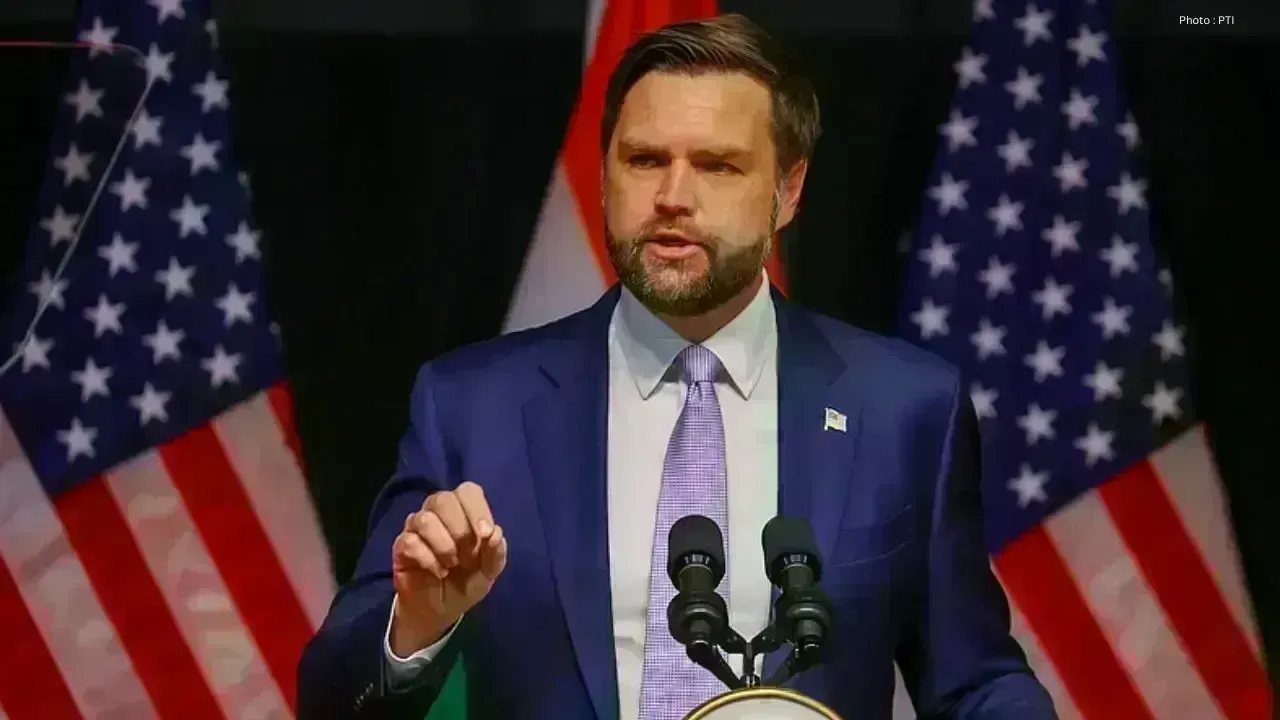
United States Vice President JD Vance is preparing to visit Pakistan this Tuesday to spearhead critical discussions with Iran, aiming to extend a fragile ceasefire. The talks are anticipated to take place in Islamabad and may continue over multiple days.
This visit occurs during a pivotal period, as the existing ceasefire—tied to the ongoing conflicts involving the U.S., Iran, and regional instability—is nearing expiration. Officials assert that these negotiations could be instrumental in averting escalation and restoring stability.
Leading the U.S. delegation alongside Vance will be prominent figures such as Steve Witkoff and Jared Kushner, underlining the gravity of the discussions and the U.S. commitment to achieving a diplomatic resolution.
There had been initial uncertainty about Vance's participation, as Donald J. Trump suggested in various interviews that the Vice President might not attend due to security concerns arising from the trip's short notice. However, the White House later affirmed that Vance will indeed head the delegation.
This marks the second round of direct discussions between the U.S. and Iran in Islamabad; the first session lasted over 21 hours earlier this month but concluded without a consensus. Nevertheless, both parties have expressed a willingness to continue dialogue.
Pakistan is playing a crucial intermediary role, encouraging talks between Washington and Tehran. Officials in Islamabad have shown readiness to facilitate extended discussions and are working closely with both sides to ensure diplomatic efforts remain active.
Tensions persist as Iran appears hesitant to engage in immediate negotiations while maintaining pressure in key regions such as the Strait of Hormuz. On the flip side, President Trump has cautioned that failure to reach a deal could trigger renewed military actions against Iranian targets.
The stakes for these discussions are considerable. A successful outcome could lower regional tensions and avert further conflict. Conversely, if these talks do not materialize positively, escalations may ensue, potentially disrupting global energy resources and regional harmony.
In summary, the upcoming Islamabad talks showcase a vital diplomatic opportunity at a time when tensions are elevated and the threat of conflict looms large.










PM Modi Pays Tribute to Mahatma Gandhi, Urges People to Support Khadi
PM Modi pays tribute to Mahatma Gandhi on Gandhi Jayanti and urges citizens to support Khadi and the

Amazon Seeks to Offload $8 Billion in Nvidia Chips to Investors
Amazon plans to move $8 billion in Nvidia chips to investors, using a new financing model to strengt

Samsung Raises Galaxy S26 Prices as Memory Chip Costs Rise
Samsung raises Galaxy S26 prices in South Korea as rising memory chip costs put pressure on smartpho

Lewis Hamilton Calls Singapore Grand Prix One of F1's Toughest Races
Lewis Hamilton discusses the demanding Singapore Grand Prix and brings Plus44 and Almave to Singapor

Denmark's Pandora Opens World's Largest Jewellery Factory in Vietnam
Pandora opens its largest jewellery factory in Vietnam, expanding global production, strengthening s

Gautam Gambhir Questions Batting-Friendly Pitches After India's Record ODI Chase
Gautam Gambhir questions batting-friendly ODI pitches after India’s record chase, calling for a bett

