You have not yet added any article to your bookmarks!
Join 10k+ people to get notified about new posts, news and tips.
Do not worry we don't spam!
Post by : Rohit Dhiman
Singapore is examining the potential impact of new export restrictions announced by the United States on advanced semiconductor technology, as Washington steps up efforts to prevent sensitive artificial intelligence chips from reaching Chinese companies through indirect channels. The Ministry of Energy and Trade and the Ministry of Digital Development and Information confirmed on Tuesday, November 17, that the government is carefully reviewing the details of the latest American measures. Officials are also communicating with businesses that could be affected to understand how the restrictions may influence their operations and access to advanced computing technology. The new US rules introduce licensing requirements for the export, re-export and domestic transfer of certain advanced semiconductors to five countries: Singapore, Malaysia, Indonesia, Thailand and Brazil. According to the US government, these destinations present a higher-than-normal risk of advanced chips being diverted to China in ways that could bypass existing export restrictions. The development is significant for Singapore because the country has established itself as an important international centre for technology, trade, cloud computing and digital infrastructure.
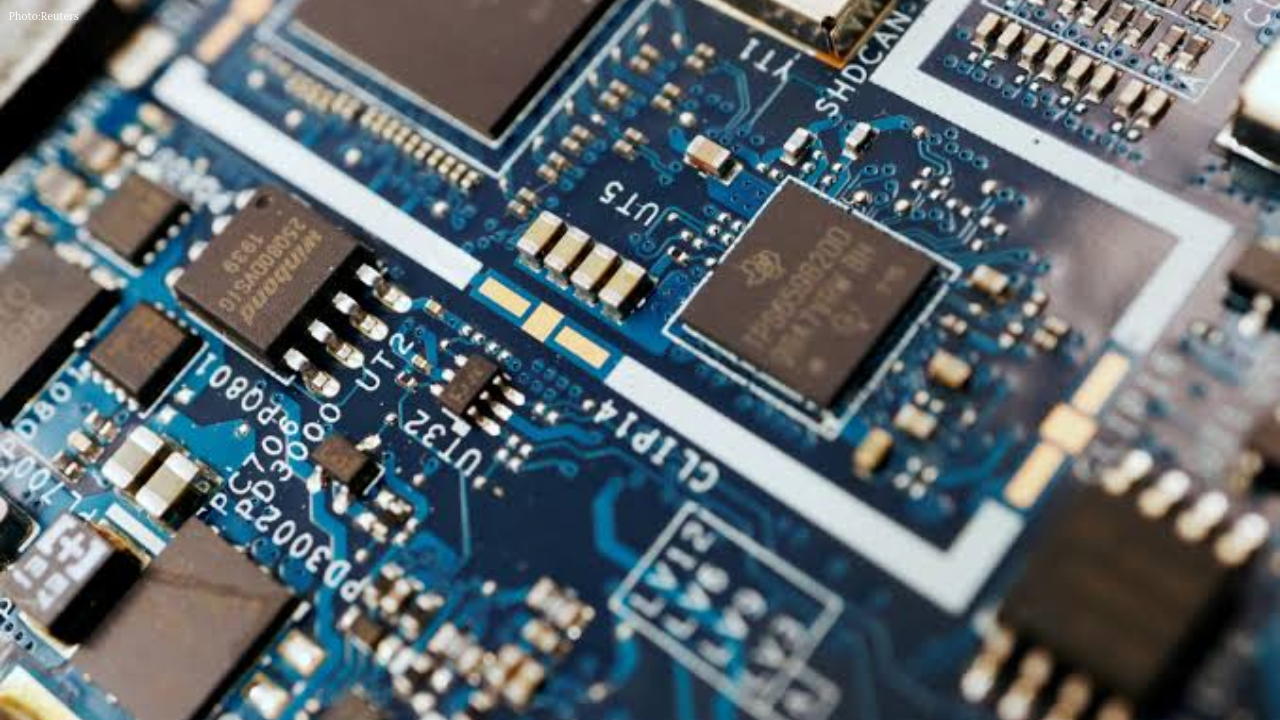
The US Department of Commerce announced the tighter controls on Monday, November 16. Under the new framework, companies will need to obtain the required authorisation before exporting, re-exporting or transferring covered advanced semiconductor products within the five named countries. The restrictions are intended to strengthen monitoring of advanced computing technology and reduce the possibility that restricted Chinese businesses could obtain access to powerful American-made chips through third-country arrangements. Advanced semiconductors are essential for training and operating sophisticated artificial intelligence systems. They provide the computing capacity needed to process enormous volumes of information and support complex AI applications. The United States has already introduced several measures restricting China's access to its most advanced semiconductor technologies. The latest announcement extends those efforts by increasing oversight of international supply chains and transactions involving selected countries. However, the new licensing requirements include an exemption for certain shipments intended for companies headquartered in the United States or businesses whose ultimate parent company is based there, provided the specified reporting conditions are fulfilled.
Singapore's Ministry of Energy, Trade and Industry and Ministry of Digital Development and Information said they are studying the new American requirements and assessing their possible consequences for local businesses. In their joint statement, the ministries explained that the government is engaging companies that could be affected to understand the implications for their commercial activities. Officials are also in contact with relevant US authorities to obtain greater clarity about the scope of the restrictions and how they will be implemented. An important part of these discussions involves finding ways to maintain reliable access to advanced semiconductor technology and computing resources for legitimate companies operating in Singapore. The government wants to ensure that businesses following the applicable rules can continue accessing the technology required for their operations, research and digital development. Singapore also stressed that it takes its international reputation seriously and does not support companies using their connection with the country to avoid or violate the laws of other nations.
The latest restrictions are closely connected to the growing competition between the United States and China over artificial intelligence and advanced computing technology. American semiconductor companies, particularly Nvidia, play an important role in supplying processors used by technology businesses to develop and operate advanced AI models. These processors are highly sought after because they can handle the complex calculations required for modern artificial intelligence systems. Washington has increasingly viewed access to advanced AI chips as a strategic issue, particularly because of their potential applications in commercial technology, scientific research and military-related computing. By tightening export controls, the US government aims to prevent restricted Chinese companies from obtaining advanced computing capabilities through indirect purchases, overseas data centres or third-party suppliers. The latest measures could therefore have implications for international semiconductor manufacturers, cloud service providers, data centre operators and technology companies with operations across Asia.
The announcement also comes amid growing scrutiny surrounding Megaspeed, a Singapore-based cloud computing company that rents computing capacity through its data centres and has faced investigations over suspected irregularities involving the purchase of servers and related transactions. The company has attracted attention because of its business relationship with Nvidia and concerns surrounding the possible diversion of advanced semiconductor technology to China. Reports surrounding former Nvidia chief executive Jensen Huang and a former Megaspeed executive have also brought additional attention to the wider controversy. The former executive, identified in reports as Alice Huang, is a Hong Kong resident who previously held senior leadership positions at Megaspeed. Singapore authorities investigated her suspected involvement in potential offences connected with inaccurate declarations involving the company. However, Singapore police said that in February 2026, after consulting the Attorney-General's Chambers, they concluded there was insufficient evidence to establish that she had committed offences relating to the suspected inaccurate declarations under investigation.
Singapore is not the only country in the region dealing with questions surrounding the movement of advanced AI chips. Malaysia has also said it is investigating a Megaspeed subsidiary over possible diversion of AI chips. The developments underline the challenges faced by Southeast Asian countries as they become increasingly important destinations for data centres, semiconductor-related businesses and cloud computing infrastructure. As international technology companies expand their operations across the region, governments are facing greater pressure to maintain transparent business practices and ensure compliance with international export regulations. The issue is particularly important because advanced computing equipment can be supplied through complicated international networks involving manufacturers, distributors, cloud operators and overseas subsidiaries.
Singapore has built a strong position as a regional business and technology hub. Its connectivity, infrastructure and established financial and commercial environment have attracted international technology companies. However, stricter semiconductor export controls could introduce additional compliance responsibilities for businesses involved in advanced computing. Companies may need to strengthen customer verification procedures, review ownership structures, monitor the final destinations of semiconductor products and maintain detailed records of transactions. Data centre operators could also face additional scrutiny regarding who accesses their computing resources and whether those resources are being used in accordance with applicable export controls. For Singapore, the challenge will be to maintain its attractiveness as an international technology destination while ensuring that companies operating within its borders comply with relevant laws. The government is therefore seeking clarity from Washington while working with affected businesses to understand the practical consequences of the new restrictions.
Read Also: APEC Members Emphasise Safe and Responsible Use of Artificial Intelligence
The latest US announcement highlights how semiconductor technology has become a central issue in international economic and strategic relations. As artificial intelligence continues to develop, access to advanced processors and computing infrastructure is becoming increasingly important for countries seeking to strengthen their digital economies. The new restrictions could affect how semiconductor companies distribute their products and how international data centre operators provide computing services. For Singapore and other affected economies, the coming months will be important in determining how the new licensing requirements are implemented and how businesses adjust their operations. The wider question remains whether governments can strengthen technology security without creating unnecessary disruption to legitimate international trade and innovation. Singapore's ongoing discussions with US authorities and affected companies will play an important role in determining how the country responds to the latest developments.
#world news #Global News #Asia News #Singapore News #Tech News







APEC Members Emphasise Safe and Responsible Use of Artificial Intelligence
APEC members discuss responsible AI use, digital innovation and data governance as China and the US

Union of European Clubs Challenge UEFA and EFC Over EU Competition Rules
UEC files an EU competition complaint against UEFA and EFC, challenging club representation, governa

Mohammed Shami Retires From Test Cricket, Eyes White-Ball Career
Mohammed Shami retires from Test cricket after 13 years, with 229 wickets. He will continue playing

Singapore Warns Users About Privacy and Security Risks of AI Agents
Singapore warns users about AI agent security risks, data privacy, online scams and unauthorised acc

Chris Lynn Completes One-Month Ban After Positive Cocaine Test
Australian cricketer Chris Lynn completes a one-month ban after a positive cocaine test during the T

Djokovic Eyes Strong Season Finish as Health Improves Ahead of Paris Masters
Novak Djokovic reports improved health and performance as he targets a strong Paris Masters finish a