
You have not yet added any article to your bookmarks!
Join 10k+ people to get notified about new posts, news and tips.
Do not worry we don't spam!

Post by : Rohit Dhiman
A fresh dispute has emerged in European football after the Union of European Clubs (UEC) formally approached the European Commission with a competition-related complaint against UEFA and European Football Clubs (EFC). The organisation has questioned whether the existing cooperation agreement between the two football bodies complies with European Union competition regulations. The complaint, submitted on Monday, November 16, 2026, focuses on the memorandum of understanding between UEFA and EFC, which establishes the framework for cooperation and representation in European club football. UEC believes that the arrangement gives one organisation a dominant position in representing clubs across Europe while leaving hundreds of other clubs without sufficient influence over important decisions. The development has brought renewed attention to the way European football is governed, particularly how clubs participate in decisions involving financial distribution, competition formats, match schedules and the future direction of the sport. At the centre of the disagreement is a fundamental question: should one recognised organisation have such a significant role in representing European football clubs, or should the governance structure provide greater participation to organisations representing smaller and independent clubs?
The Union of European Clubs has asked the European Commission to examine the legality of the existing arrangement between UEFA and EFC under European competition law. According to UEC, the memorandum of understanding may violate Articles 101 and 102 of the Treaty on the Functioning of the European Union (TFEU). These provisions address agreements that restrict competition and the possible abuse of a dominant market position. The organisation argues that UEFA's recognition of EFC as the sole representative body for clubs across Europe creates an imbalance in the football governance system. It believes that clubs outside the EFC structure do not have an equally effective opportunity to influence decisions that directly affect their sporting and financial interests. UEC General Secretary Dennis Gudasic said the organisation wants the European Commission to investigate whether the existing arrangement is compatible with EU law. His comments reflect the organisation's broader concern that European football governance should not be concentrated within a structure where a large section of clubs has limited influence.
One of the biggest concerns raised by UEC relates to the recognition given to EFC within UEFA's decision-making structure. EFC, previously known as the European Club Association (ECA), represents more than 900 member clubs. It has developed a significant role in discussions involving European club competitions and governance. However, UEC believes that the interests of European football cannot be represented adequately through a single organisation, particularly when clubs operate at very different financial and sporting levels. Smaller clubs often face challenges that are different from those experienced by major European teams. Their financial resources, participation in domestic leagues, commercial opportunities and ability to compete internationally can vary considerably. UEC argues that these clubs should also have a meaningful role when decisions are made about the overall structure of European football.
Read Also: Sheikh Hasina Plans December Return to Bangladesh Despite Death Threat
Revenue allocation: How money generated through European football competitions is distributed among participating clubs.
Match scheduling: How the football calendar is organised and how decisions affect clubs competing in domestic and international competitions.
Competition structure: How European tournaments are organised, developed and modified in the future.
According to UEC, these decisions can have a direct impact on clubs across different levels of the European football pyramid. Therefore, it wants a governance structure that gives a wider range of clubs an effective voice.
The agreement between UEFA and EFC is an important part of the current dispute. The memorandum of understanding was initially signed in 2023. The two organisations subsequently extended the arrangement in 2024, allowing it to remain in place until 2033. The agreement established a formal framework for cooperation between UEFA and the organisation representing European clubs. Under the existing arrangement, EFC has a substantial role in UEFA's Club Competitions Committee, which examines proposed changes and developments relating to European club football competitions. The committee has 20 members, and the distribution of its positions is a major part of UEC's complaint.
16 members nominated by EFC.
Three members selected by UEFA from its Executive Committee.
One representative from European Leagues.
European Leagues represents 53 domestic leagues across the continent.
In addition to its representation on the Club Competitions Committee, EFC also nominates two members to UEFA's Executive Committee. UEC believes that this level of representation gives EFC considerable influence over the governance of European club competitions. It wants the European Commission to examine whether the arrangement creates an unfair position for other organisations and clubs.
The dispute has also brought attention to changes introduced within EFC itself. In September 2026, EFC approved reforms to its internal governance structure, including an expansion of its board to 33 members. Under the revised arrangement, between five and seven board positions are reserved for representatives of member clubs holding associate membership status. All members of the board have voting rights, allowing them to participate in organisational decisions. However, questions remain about how the remaining board positions are selected and how different categories of clubs are represented within the organisation. For UEC, the central concern is not simply the number of clubs associated with EFC. It is whether the broader European football community has sufficient representation in the institutions that influence major decisions. The organisation wants practical changes that would provide clubs outside the existing arrangement with a more meaningful opportunity to participate in governance.
Although both organisations are involved in representing football clubs, their membership structures are different. European Football Clubs (EFC) has more than 900 member clubs and plays a recognised role in discussions with UEFA. The organisation was formerly known as the European Club Association and has been involved in representing club interests in European football for several years. On the other hand, the Union of European Clubs (UEC) was established in 2023 with the objective of promoting a fairer, more sustainable and balanced football ecosystem.
The organisation's position is that European football should provide opportunities for clubs of different sizes and financial capabilities to participate in decisions affecting the sport. While EFC has a much larger membership base, UEC believes that the number of members alone should not determine how the entire European football community is represented. The disagreement therefore highlights a wider debate about whether the current system adequately balances the interests of established clubs, smaller teams and organisations operating outside the dominant governance framework.
UEFA and EFC did not respond to requests for comment regarding the complaint, according to the report. However, UEFA President Aleksander Ceferin had previously defended the partnership when the memorandum was extended in 2024. At that time, Ceferin described the partnership with the European Club Association as the foundation of an inclusive, sustainable and dynamic ecosystem benefiting the entire European football pyramid. His earlier remarks highlighted UEFA's position that cooperation with the club organisation was important for the development and stability of European football. UEC, however, is seeking changes that it considers legally meaningful and practically enforceable. The organisation has indicated that it remains open to discussions with UEFA but wants any potential solution to include binding and practical changes to the existing memorandum.
The complaint could become an important development in the ongoing debate over the administration of European club football. If the European Commission decides to examine the allegations, it may need to assess the agreement's impact on competition, representation and the participation of different football organisations in governance decisions. The outcome could have implications beyond the two organisations directly involved. A closer examination of the current arrangement could bring attention to how European football institutions distribute decision-making powers, how clubs participate in governance and whether existing agreements provide fair opportunities to different stakeholders. For smaller clubs, the issue is particularly significant because decisions involving tournament structures, revenue distribution and scheduling can affect their long-term financial stability and sporting opportunities. For UEFA and EFC, the challenge concerns the legal and institutional framework that currently supports their cooperation. At this stage, no final decision has been announced by the European Commission, and the allegations remain subject to examination.
European football is built around a pyramid that includes elite international teams, domestic league clubs and smaller sides competing at regional and national levels. While the biggest clubs attract global audiences and generate substantial commercial revenues, thousands of smaller teams contribute to the development of players, local football communities and domestic competitions. The way decisions are made at the highest administrative level can therefore affect the entire football ecosystem. UEC's complaint raises an important issue about whether the current governance system gives all these clubs sufficient representation. The European Commission's response, if it decides to take the matter forward, could become significant for future discussions about competition law, institutional accountability and the balance of power in European football.







APEC Members Emphasise Safe and Responsible Use of Artificial Intelligence
APEC members discuss responsible AI use, digital innovation and data governance as China and the US

Union of European Clubs Challenge UEFA and EFC Over EU Competition Rules
UEC files an EU competition complaint against UEFA and EFC, challenging club representation, governa

Mohammed Shami Retires From Test Cricket, Eyes White-Ball Career
Mohammed Shami retires from Test cricket after 13 years, with 229 wickets. He will continue playing

Singapore Warns Users About Privacy and Security Risks of AI Agents
Singapore warns users about AI agent security risks, data privacy, online scams and unauthorised acc
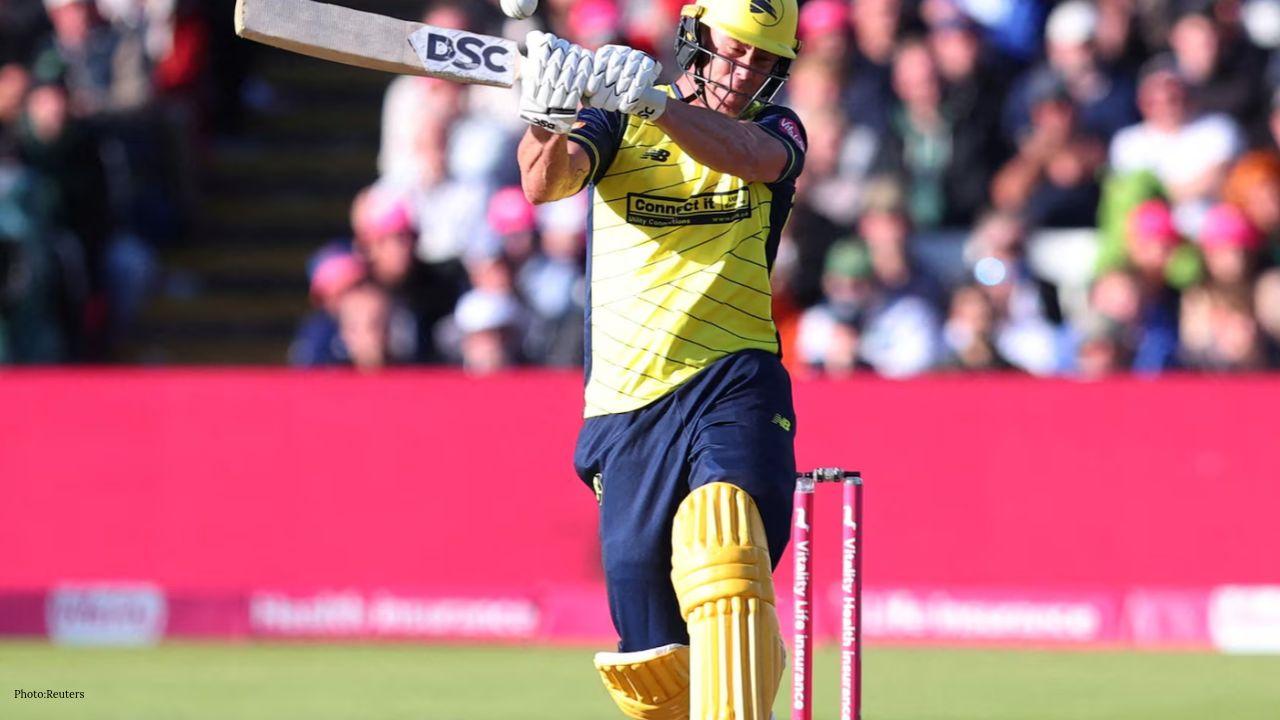
Chris Lynn Completes One-Month Ban After Positive Cocaine Test
Australian cricketer Chris Lynn completes a one-month ban after a positive cocaine test during the T
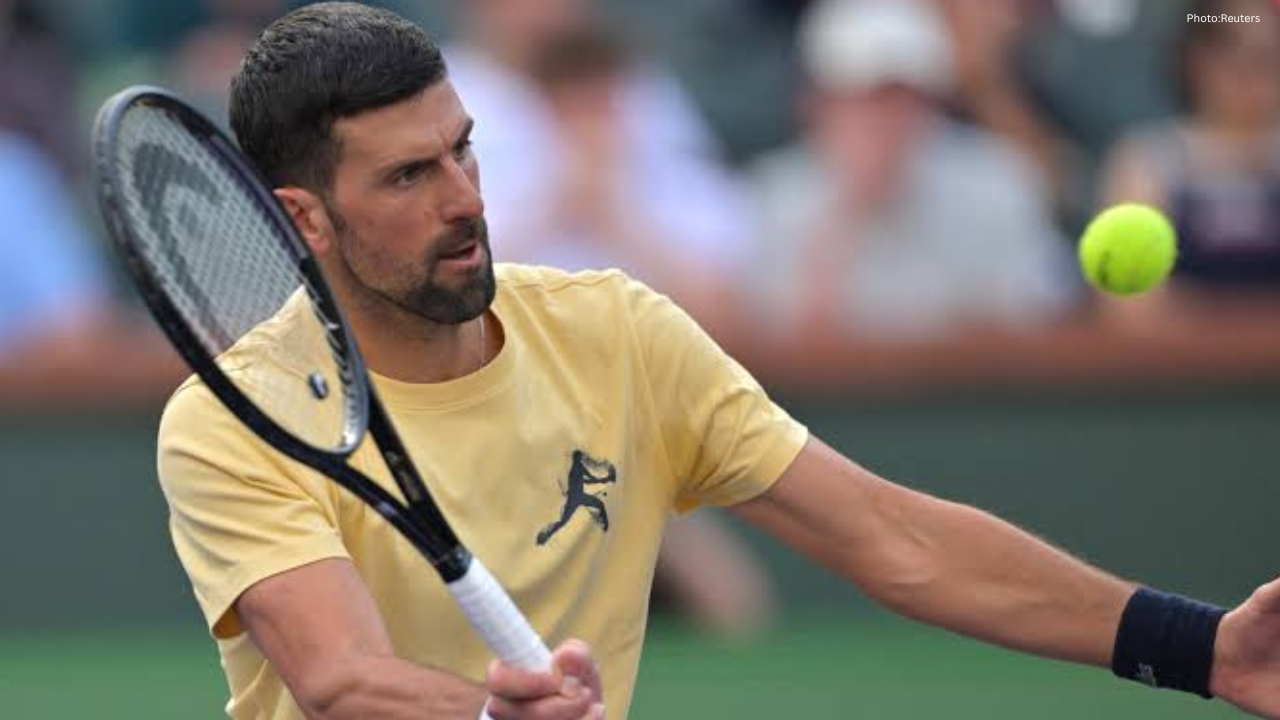
Djokovic Eyes Strong Season Finish as Health Improves Ahead of Paris Masters
Novak Djokovic reports improved health and performance as he targets a strong Paris Masters finish a