You have not yet added any article to your bookmarks!
Join 10k+ people to get notified about new posts, news and tips.
Do not worry we don't spam!

Post by : Rohit Dhiman
Countries participating in the Asia-Pacific Economic Cooperation (APEC) forum have placed the safe deployment and responsible use of artificial intelligence (AI) at the centre of their discussions, highlighting the growing importance of international cooperation as AI technology continues to transform economies, industries and public services. Chen Xu, chair of the APEC Senior Officials' Meeting for 2026 and China's former ambassador to the United Nations, said on Tuesday, November 17, that member economies had held detailed discussions on several important aspects of digital technology and artificial intelligence. He indicated that participating countries had reached an important consensus on addressing AI-related challenges and ensuring that the technology is introduced and used responsibly. Speaking at a press conference in Shenzhen, China, Chen explained that discussions among APEC members covered a broad range of digital technology issues, with particular attention given to the safe deployment of AI systems and their responsible application. The discussions reflect increasing international recognition that artificial intelligence offers significant opportunities for economic development and technological advancement, but its rapid expansion also requires appropriate safeguards, cooperation and responsible decision-making.
Artificial intelligence is increasingly being integrated into different sectors, including healthcare, education, financial services, manufacturing, transportation and government administration. While these developments are creating new opportunities, they are also raising questions about data protection, security, accountability and the potential misuse of advanced technologies. Against this background, APEC members have been discussing how economies can benefit from AI innovation while addressing the risks associated with its deployment. The emphasis on responsible AI application suggests that participating economies recognise the importance of balancing technological progress with public interest and security considerations. Ensuring that AI systems are deployed safely is becoming particularly important as businesses and governments increasingly depend on automated systems to process information, support decisions and deliver services.
Another significant development highlighted by Chen Xu was the discussion of data as a driver of artificial intelligence growth. According to Chen, APEC members discussed the role of data in supporting AI development for the first time. This marked an additional area of focus in the forum's wider conversations about digital transformation and emerging technologies. Data plays an essential role in modern AI systems. It helps technologies identify patterns, process information, improve performance and generate responses. As AI applications become more advanced, access to relevant and reliable data is becoming increasingly important for technological development. The discussion also highlights the need to consider how data is collected, managed, protected and used across different economies. For countries seeking to expand their digital capabilities, developing effective data governance practices will remain an important part of building a secure and sustainable AI ecosystem.
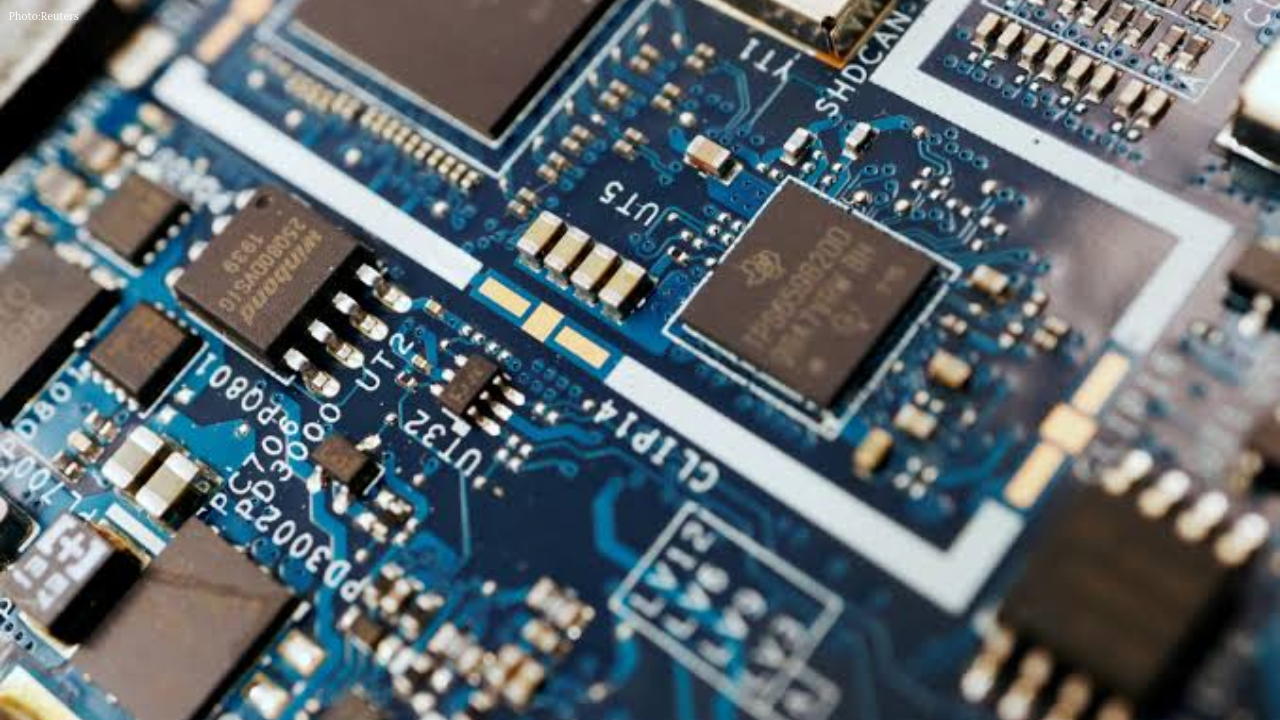
The APEC discussions are taking place at a time when China and the United States are competing for influence and leadership in the global artificial intelligence industry. Both countries are investing heavily in advanced computing infrastructure, semiconductor technology, AI research and digital innovation. Their competition has become an important factor in shaping the international technology landscape. However, growing tensions between Washington and Beijing over access to advanced technology have also created challenges for companies operating in the global AI industry. Advanced semiconductor chips are particularly important because they provide the computing power required to train and operate sophisticated artificial intelligence models. Restrictions on access to these technologies have become a major issue in relations between the two countries, with potential consequences for international technology supply chains and AI development.
Chen's comments came shortly after the United States introduced tighter restrictions aimed at limiting Chinese companies' access to advanced American AI chips through overseas data centres. Washington has raised concerns that Chinese companies could use data centres located outside China to obtain access to advanced computing resources, potentially bypassing existing export controls. The latest restrictions reflect continuing US efforts to control the international distribution and use of sensitive semiconductor technologies. Such measures could affect the availability of advanced computing infrastructure for Chinese companies and add further pressure to an already competitive global technology environment. The issue also demonstrates how artificial intelligence has become closely connected with international trade, national security and economic policy.
The discussions among APEC economies are important because artificial intelligence is no longer limited to individual technology companies or national research programmes. It has become a global economic and strategic priority. Countries are increasingly looking for ways to establish common approaches to AI development, encourage innovation and address concerns surrounding the use of emerging technologies. Cooperation among APEC members could help create opportunities for exchanging knowledge, improving digital capabilities and developing more responsible approaches to artificial intelligence. The inclusion of data-related discussions also demonstrates that future AI development will depend not only on computing power and advanced chips but also on the availability, quality and responsible management of data. As countries continue to expand their AI capabilities, international discussions on safety, accountability and cooperation are expected to remain important.
Read Also: Union of European Clubs Challenge UEFA and EFC Over EU Competition Rules
The latest discussions in Shenzhen highlight the growing importance of artificial intelligence within the broader APEC agenda. Although member economies have different levels of technological development and different national priorities, the focus on safe deployment and responsible application indicates a shared interest in addressing the challenges associated with emerging digital technologies. The discussions also come at a crucial moment for the global AI industry, as competition between major economies continues alongside efforts to strengthen international cooperation. With data governance, advanced semiconductor access and AI safety becoming increasingly important, the decisions and discussions taking place among international economic forums could influence how artificial intelligence develops in the coming years. For APEC economies, the challenge will be to encourage innovation while ensuring that the benefits of artificial intelligence are achieved through secure, responsible and sustainable practices.







APEC Members Emphasise Safe and Responsible Use of Artificial Intelligence
APEC members discuss responsible AI use, digital innovation and data governance as China and the US

Union of European Clubs Challenge UEFA and EFC Over EU Competition Rules
UEC files an EU competition complaint against UEFA and EFC, challenging club representation, governa

Mohammed Shami Retires From Test Cricket, Eyes White-Ball Career
Mohammed Shami retires from Test cricket after 13 years, with 229 wickets. He will continue playing

Singapore Warns Users About Privacy and Security Risks of AI Agents
Singapore warns users about AI agent security risks, data privacy, online scams and unauthorised acc

Chris Lynn Completes One-Month Ban After Positive Cocaine Test
Australian cricketer Chris Lynn completes a one-month ban after a positive cocaine test during the T

Djokovic Eyes Strong Season Finish as Health Improves Ahead of Paris Masters
Novak Djokovic reports improved health and performance as he targets a strong Paris Masters finish a