
You have not yet added any article to your bookmarks!
Join 10k+ people to get notified about new posts, news and tips.
Do not worry we don't spam!
Post by : Shweta
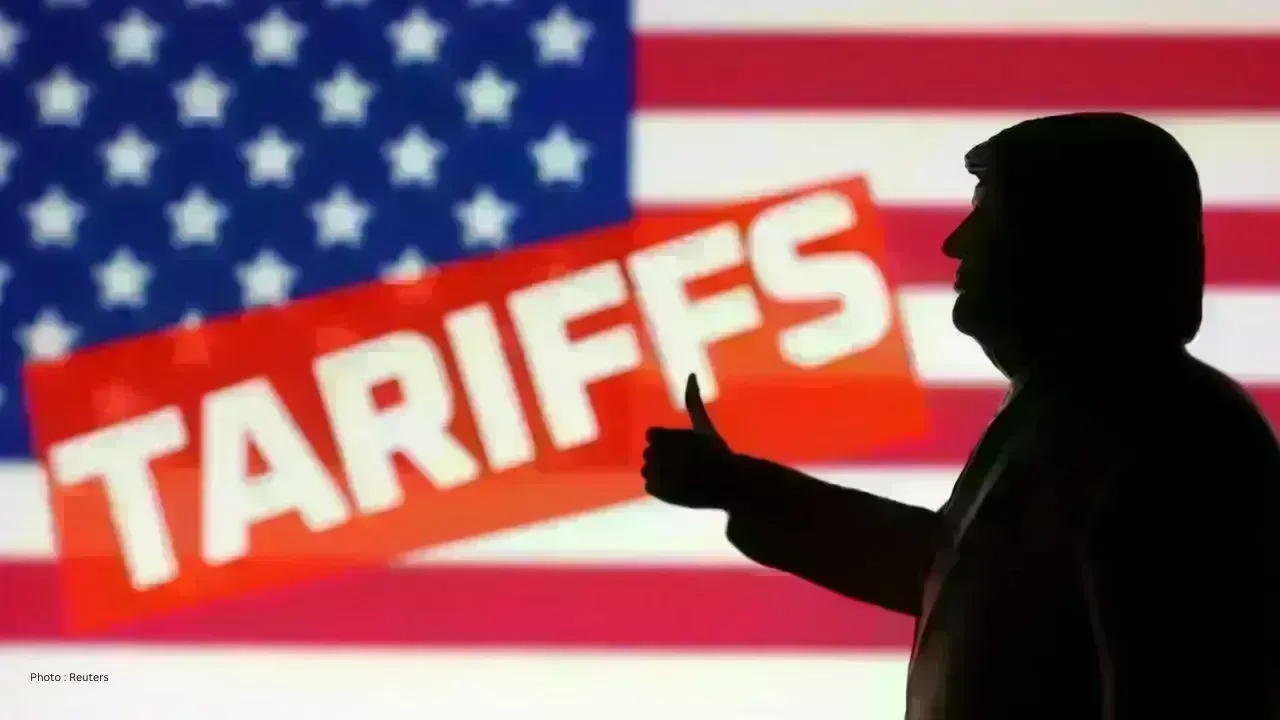
A fresh U.S. tariff policy is placing substantial pressure on Canadian tool and mould manufacturers. Industry insiders are cautioning against the looming financial repercussions of these changes. The new regulations apply tariffs to the complete value of imported metal products, leading to heightened expenses for companies involved in cross-border operations.
These modifications originate from the previous administration's approach under Section 232 of the U.S. Trade Expansion Act, which zeroes in on the importation of steel, aluminum, and copper. Unlike prior measures that only taxed the metallic components, the current directive now imposes a tax on the full declared value, with potential tariff rates soaring as high as 50 percent for items largely constructed from these metals.
Regions like Windsor, Ontario, are feeling the brunt of this change, particularly for companies whose production is intricately linked to U.S. supply chains. The frequent back-and-forth movement of goods across the border amplifies the effects of the new tariffs.
Jonathon Azzopardi, president of Laval Tool & Mould Ltd., indicated that the new regulations could lead to losses in the millions annually. He asserts it represents a significant challenge to Canada's supply chain, suggesting that some businesses might need to consider shifting their operations to the U.S. to maintain competitiveness.
Industry stakeholders report feeling blindsided by this sudden policy shift. The Canadian Association of Mold Makers expressed concern about the unpredictability introduced by these increased tariffs, particularly since numerous companies had already solidified contracts and production plans prior to this announcement.
Financial consequences are severe. For instance, a mould that faced approximately $1,500 in tariffs could now incur costs exceeding $30,000. Such increases pose a significant threat to small and medium-sized businesses operating on thin profit margins.
Experts emphasize the deep interconnection of the North American manufacturing ecosystem. Canadian and U.S. enterprises often rely heavily on one another, meaning disruptions of this scale can adversely affect both nations. If these tariffs remain long-term, it could provide opportunities for competitors from other regions to capture market share.
The unfolding situation has garnered the attention of Canadian politicians, who are urging immediate discussions and potential relief options for the afflicted sectors. There are aspirations that future trade negotiations might address these alterations and mitigate their adverse effects.
As situations evolve, businesses are striving to adapt while continuing their operations. Nonetheless, confidence in the long-term outlook largely hinges on the possibility of policy revisions or the introduction of financial assistance.










PM Modi Pays Tribute to Mahatma Gandhi, Urges People to Support Khadi
PM Modi pays tribute to Mahatma Gandhi on Gandhi Jayanti and urges citizens to support Khadi and the

Amazon Seeks to Offload $8 Billion in Nvidia Chips to Investors
Amazon plans to move $8 billion in Nvidia chips to investors, using a new financing model to strengt

Samsung Raises Galaxy S26 Prices as Memory Chip Costs Rise
Samsung raises Galaxy S26 prices in South Korea as rising memory chip costs put pressure on smartpho

Lewis Hamilton Calls Singapore Grand Prix One of F1's Toughest Races
Lewis Hamilton discusses the demanding Singapore Grand Prix and brings Plus44 and Almave to Singapor

Denmark's Pandora Opens World's Largest Jewellery Factory in Vietnam
Pandora opens its largest jewellery factory in Vietnam, expanding global production, strengthening s

Gautam Gambhir Questions Batting-Friendly Pitches After India's Record ODI Chase
Gautam Gambhir questions batting-friendly ODI pitches after India’s record chase, calling for a bett

