
You have not yet added any article to your bookmarks!
Join 10k+ people to get notified about new posts, news and tips.
Do not worry we don't spam!
Post by : Rameen Ariff
On November 22, the United States officially confirmed that its 28-point peace strategy regarding Ukraine represents its formal policy, challenging assertions from certain U.S. senators who characterize the framework as akin to a Russian "wish list." This proposal, which has incited debates and raised eyebrows, was unveiled ahead of impending negotiations in Switzerland.
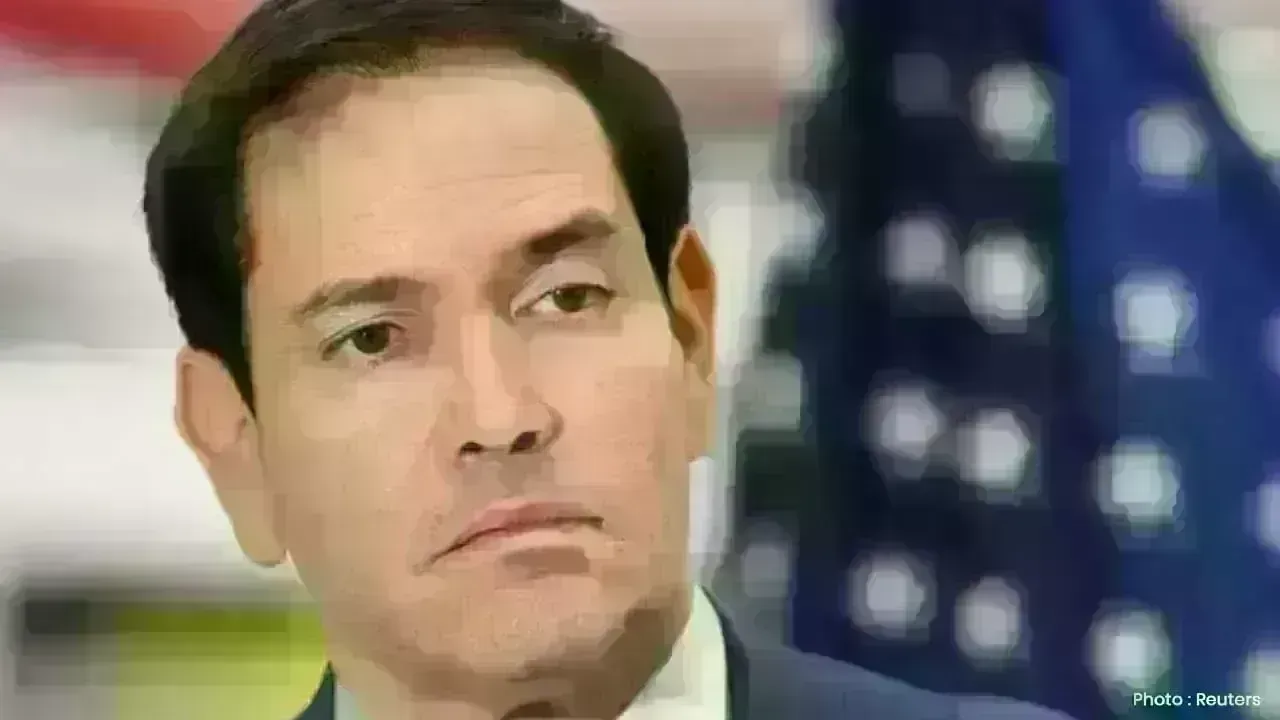
Aiming to lay the groundwork for ongoing discussions to terminate the conflict between Ukraine and Russia, the plan includes stipulations involving territorial concessions to Russia, igniting concerns among lawmakers and global observers. U.S. Secretary of State Marco Rubio indicated that the plan was crafted with insights from both the Russian and Ukrainian perspectives.
However, several U.S. senators, such as Republicans Mike Rounds, Independent Angus King, and Democrat Jeanne Shaheen, convened a press conference expressing skepticism about the proposal. They highlighted that Secretary Rubio indicated the document lacked official U.S. standing and was instead reflective of Russian expectations. They condemned the proposal for being overly accommodating to Moscow, arguing it risks rewarding Russia for its military aggression.
Senator Rounds remarked that the plan "didn't resemble something that would emerge from our government" and appeared tailored to Russian interests. Senator King stressed the necessity for a just peace that respects Ukrainian sovereignty and security.
In response to the senators' criticisms, U.S. State Department spokesperson Tommy Pigott labeled their assertions as "blatantly false." He clarified that the proposal originated from the United States and incorporated viewpoints from both Ukraine and Russia, with Rubio himself asserting on social media that it constitutes a "strong framework for ongoing negotiations."
This peace initiative plays a significant role in U.S. efforts, backed by former President Donald Trump, to conclude the hostilities in Ukraine. The forthcoming discussions in Switzerland are viewed as a pivotal juncture for the peace process.
Ultimately, the clash between U.S. officials and senators underscores the intricate nature of diplomatic efforts to settle the conflict in Ukraine. While the government maintains the plan is equitable, some legislators remain doubtful about its fairness and the implications for Ukraine's future.










PM Modi Pays Tribute to Mahatma Gandhi, Urges People to Support Khadi
PM Modi pays tribute to Mahatma Gandhi on Gandhi Jayanti and urges citizens to support Khadi and the

Amazon Seeks to Offload $8 Billion in Nvidia Chips to Investors
Amazon plans to move $8 billion in Nvidia chips to investors, using a new financing model to strengt

Samsung Raises Galaxy S26 Prices as Memory Chip Costs Rise
Samsung raises Galaxy S26 prices in South Korea as rising memory chip costs put pressure on smartpho

Lewis Hamilton Calls Singapore Grand Prix One of F1's Toughest Races
Lewis Hamilton discusses the demanding Singapore Grand Prix and brings Plus44 and Almave to Singapor

Denmark's Pandora Opens World's Largest Jewellery Factory in Vietnam
Pandora opens its largest jewellery factory in Vietnam, expanding global production, strengthening s

Gautam Gambhir Questions Batting-Friendly Pitches After India's Record ODI Chase
Gautam Gambhir questions batting-friendly ODI pitches after India’s record chase, calling for a bett

