
You have not yet added any article to your bookmarks!
Join 10k+ people to get notified about new posts, news and tips.
Do not worry we don't spam!
Post by : Saif Rahman
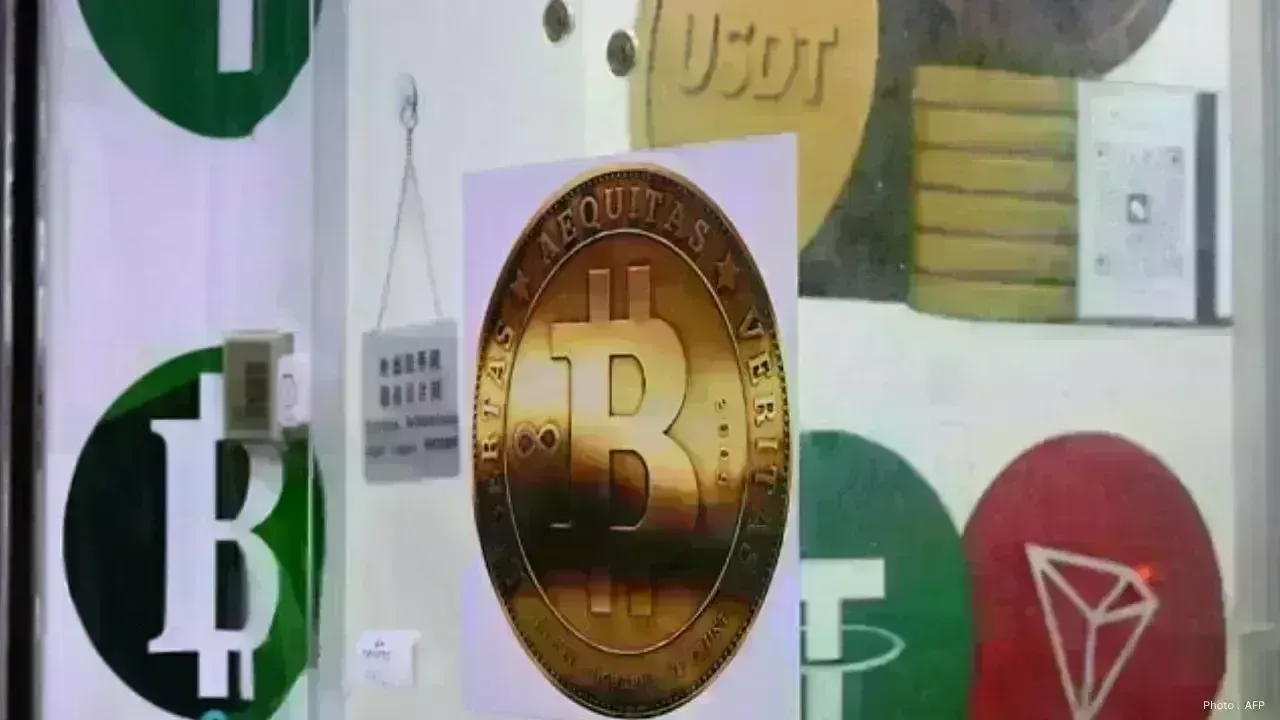
In a significant move reflecting the evolving landscape of cryptocurrency regulation, the United States has imposed sanctions on Iran's most prominent crypto exchange. This action raises important questions about the intersection of digital finance and international policy, particularly concerning economic sanctions.
The sanctions, aimed at a key Iranian platform, accuse it of enabling individuals and organizations linked to the Islamic Republic to circumvent international financial restrictions. US authorities assert that this exchange has been instrumental in facilitating transactions that would otherwise fall under the restrictions of existing sanction programs, illustrating a shift in governmental oversight from traditional banking toward the digital currency domain.
Historically, economic sanctions represent a core element of US foreign policy, utilized to exert financial pressure on defined targets to induce behavioral change without resorting to armed conflict. While traditionally centered on banks and market access, the advent of cryptocurrency has introduced complex new avenues for value transfer outside conventional financial systems.
Proponents of enhanced regulation contend that without vigilant oversight, digital assets could weaken the efficacy of sanctions. The inherent nature of cryptocurrency transactions—often traversing various platforms and jurisdictions—has made tracking their movement significantly more challenging than traditional banking processes. In response, global regulators are ramping up their monitoring efforts to ensure compliance with financial legislation on exchanges.
This latest action underscores a crucial shift in governmental perspectives towards cryptocurrency. Initially regarded solely as an investment or technological advancement, policymakers now frame digital assets as vital components associated with national security, international exchange, and financial governance.
For Iran, as economic pressures mount, cryptocurrency has emerged as a critical alternative, driven by limitations on access to the global financial infrastructure. Digital currency provides opportunities for transactions outside the constraints of formal banking avenues, prompting international vigilance over crypto transactions linked to sanctioned participants.
The repercussions of these sanctions may extend across the global cryptocurrency sector. Exchanges worldwide may now face heightened demands to bolster compliance protocols, verify user identities, and scrutinize transactions. Governments are increasingly seeking to navigate the fine line between preventing illicit financial activities and fostering legitimate innovation.
A pivotal aspect of this ongoing dialogue revolves around finding balance between the liberty of technology and the necessity for regulation. Advocates for cryptocurrency argue that digital assets foster greater financial autonomy and market access, while detractors caution that lax oversight could enable money laundering and the evasion of sanctions. Policymakers are tasked with the challenge of harmonizing these conflicting viewpoints.
The sanctions also have implications for international deliberations surrounding cryptocurrency oversight. As numerous nations work to establish frameworks for digital asset regulation, decisions made by major economic powers can significantly steer global standards, prompting other nations to reassess their own compliance strategies.
Financial institutions are closely monitoring these shifts, as banks, investment companies, and tech firms increasingly engage with digital assets. Clear regulatory frameworks benefit businesses by clarifying obligations and mitigating market uncertainty.
This latest decision signals a pivotal transformation in the global financial environment. Sanctions are no longer confined to traditional financial institutions; governments are evolving policies to accommodate technologies that emerged long after many sanction regimes were originally enacted. This expansion into crypto markets reveals the rapid progression of financial systems.
Simultaneously, policymakers need to maintain the precision and effectiveness of enforcement measures. Strategies that are overly restrictive could hinder innovation and legitimate blockchain applications. A judicious approach is essential—one that safeguards against misuse while promoting technological advancements.
This situation underscores the reality that digital currencies have woven themselves into the fabric of international economic discourse. What began as a niche innovation has matured into a significant sector that shapes finance, regulation, security, and diplomacy. As the adoption of cryptocurrencies grows, governments will persist in refining their strategies to address the accompanying challenges.
The sanctions against Iran's prominent crypto exchange signify more than an isolated enforcement gesture; they epitomize the increasing convergence of technology with geopolitics. Looking forward, the dynamics between digital finance and international regulation will likely assume greater significance, influencing how nations craft their economic policies amidst a globalized environment.










PM Modi Pays Tribute to Mahatma Gandhi, Urges People to Support Khadi
PM Modi pays tribute to Mahatma Gandhi on Gandhi Jayanti and urges citizens to support Khadi and the

Amazon Seeks to Offload $8 Billion in Nvidia Chips to Investors
Amazon plans to move $8 billion in Nvidia chips to investors, using a new financing model to strengt

Samsung Raises Galaxy S26 Prices as Memory Chip Costs Rise
Samsung raises Galaxy S26 prices in South Korea as rising memory chip costs put pressure on smartpho

Lewis Hamilton Calls Singapore Grand Prix One of F1's Toughest Races
Lewis Hamilton discusses the demanding Singapore Grand Prix and brings Plus44 and Almave to Singapor

Denmark's Pandora Opens World's Largest Jewellery Factory in Vietnam
Pandora opens its largest jewellery factory in Vietnam, expanding global production, strengthening s

Gautam Gambhir Questions Batting-Friendly Pitches After India's Record ODI Chase
Gautam Gambhir questions batting-friendly ODI pitches after India’s record chase, calling for a bett

