
You have not yet added any article to your bookmarks!
Join 10k+ people to get notified about new posts, news and tips.
Do not worry we don't spam!
Post by : Shweta
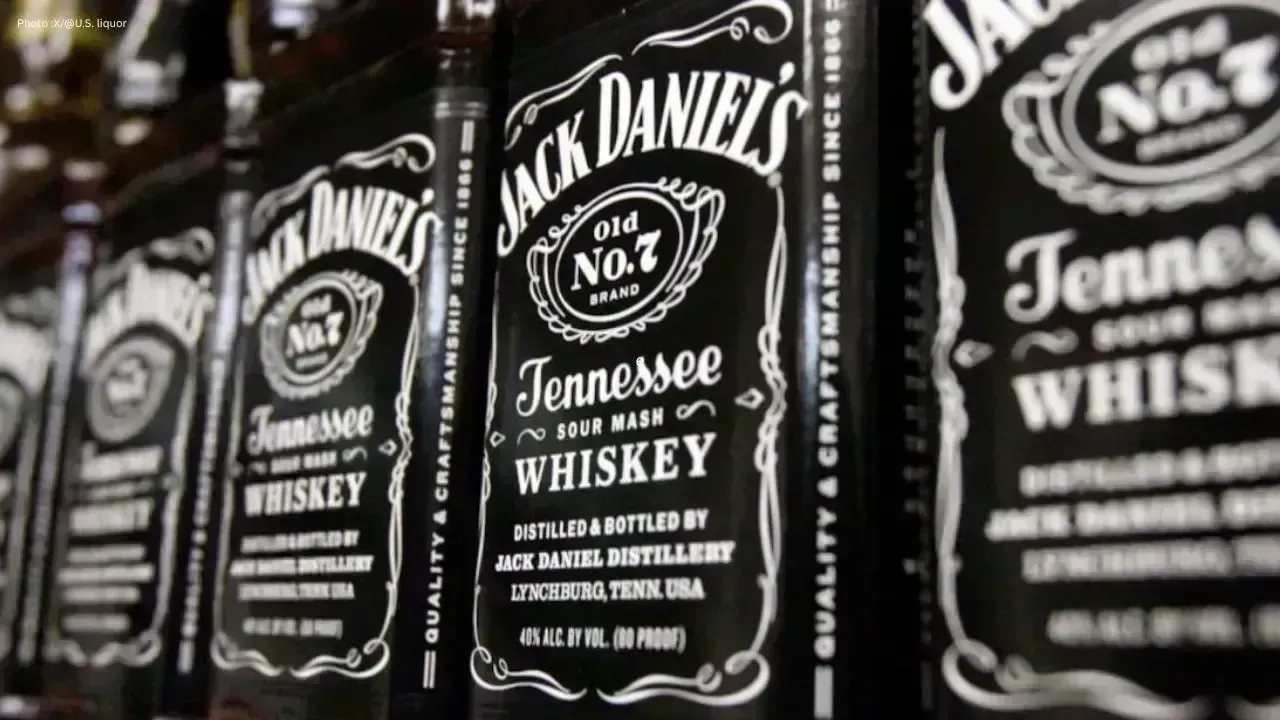
Recent data indicates a significant decline in U.S. liquor exports to Canada, largely attributed to trade tensions originating from tariffs imposed during President Donald Trump’s time in office. This downturn has caused alarm within the American alcohol sector, particularly impacting whiskey and bourbon manufacturers reliant on Canadian consumers.
According to industry reports, American spirits exports to Canada plunged nearly 70 percent in 2025, as multiple Canadian provinces opted to pull U.S. alcohol products from retail shelves amid growing trade disputes. Previously, Canada represented one of the key international markets for American whiskey, bourbon, and various spirits. ()
The exports of U.S. spirits to Canada nosedived from approximately 250 million dollars annually to about 89 million dollars as the conflict escalated. Notably, between March and December 2025, exports fell drastically from 203 million dollars to just 60 million dollars, imposing significant financial strain on U.S. distillers. ()
The trade conflict was ignited by the U.S. imposing tariffs on numerous Canadian products. Canada, in retaliation, enacted measures including tariffs on American liquor and restrictions on their sales in various provinces. Many provincial liquor boards shifted to promoting Canadian-made brands by eliminating several American products from store shelves. ()
This situation has hit Kentucky hard, known for its bourbon production, where whiskey producers face mounting challenges. Trade organizations revealed that the Canadian market's loss exacerbated financial pressure on distillers, already grappling with low global demand and increasing inventory. ()
The declines in U.S. alcohol exports extend beyond spirits; reports suggest they included approximately a 78 percent drop in U.S. wine exports to Canada, alongside significant reductions in beer exports during the trade dispute. ()
The Distilled Spirits Council of the United States attributes this decline predominantly to ongoing trade tensions, urging a return to “zero-for-zero” tariffs between both nations. Industry advocates emphasized the previous advantages of tariff-free arrangements that benefitted both American and Canadian markets. ()
Canadian buyer behavior also contributed, as many opted to support local products during the dispute. Comments across social media platforms revealed a tendency among certain Canadians to favor domestic brands over American ones. ()
Despite these setbacks, some American distillers remain optimistic about the future of trade relations. Recent decisions to relax specific whiskey tariffs with the United Kingdom have reignited discussions on improving trade restrictions impacting the global liquor industry. ()
Experts warn that such international trade disputes can swiftly disrupt industries tied to exports, retail, and consumer habits. Although future negotiations may ameliorate conditions, the American liquor sector continues to confront hurdles in reclaiming its lost Canadian market presence.










PM Modi Pays Tribute to Mahatma Gandhi, Urges People to Support Khadi
PM Modi pays tribute to Mahatma Gandhi on Gandhi Jayanti and urges citizens to support Khadi and the

Amazon Seeks to Offload $8 Billion in Nvidia Chips to Investors
Amazon plans to move $8 billion in Nvidia chips to investors, using a new financing model to strengt

Samsung Raises Galaxy S26 Prices as Memory Chip Costs Rise
Samsung raises Galaxy S26 prices in South Korea as rising memory chip costs put pressure on smartpho

Lewis Hamilton Calls Singapore Grand Prix One of F1's Toughest Races
Lewis Hamilton discusses the demanding Singapore Grand Prix and brings Plus44 and Almave to Singapor

Denmark's Pandora Opens World's Largest Jewellery Factory in Vietnam
Pandora opens its largest jewellery factory in Vietnam, expanding global production, strengthening s

Gautam Gambhir Questions Batting-Friendly Pitches After India's Record ODI Chase
Gautam Gambhir questions batting-friendly ODI pitches after India’s record chase, calling for a bett

