
You have not yet added any article to your bookmarks!
Join 10k+ people to get notified about new posts, news and tips.
Do not worry we don't spam!
Post by : Saif Rahman
The Middle East is witnessing a precarious situation as US forces have thwarted Iranian attacks while Israeli military actions persist in Lebanon. These developments have sparked heightened worries that the ongoing conflict may escalate, involving more nations and exacerbating the existing turmoil in a region already fraught with tension.
This recent surge in military engagement underscores the escalating complexity of the situation. What began as isolated incidents is evolving into a more significant regional challenge, drawing in multiple governments, armed factions, and global powers. As hostilities persist across various fronts, there’s a growing apprehension that localized incidents could spiral into a broader security crisis.
Reports indicate that US defense systems successfully intercepted threats linked to Iranian forces, aiming to safeguard military positions and maintain security in the region's strategic locations. This operation emphasizes the pivotal role the United States continues to play in ensuring stability within the Middle East during periods of unrest.
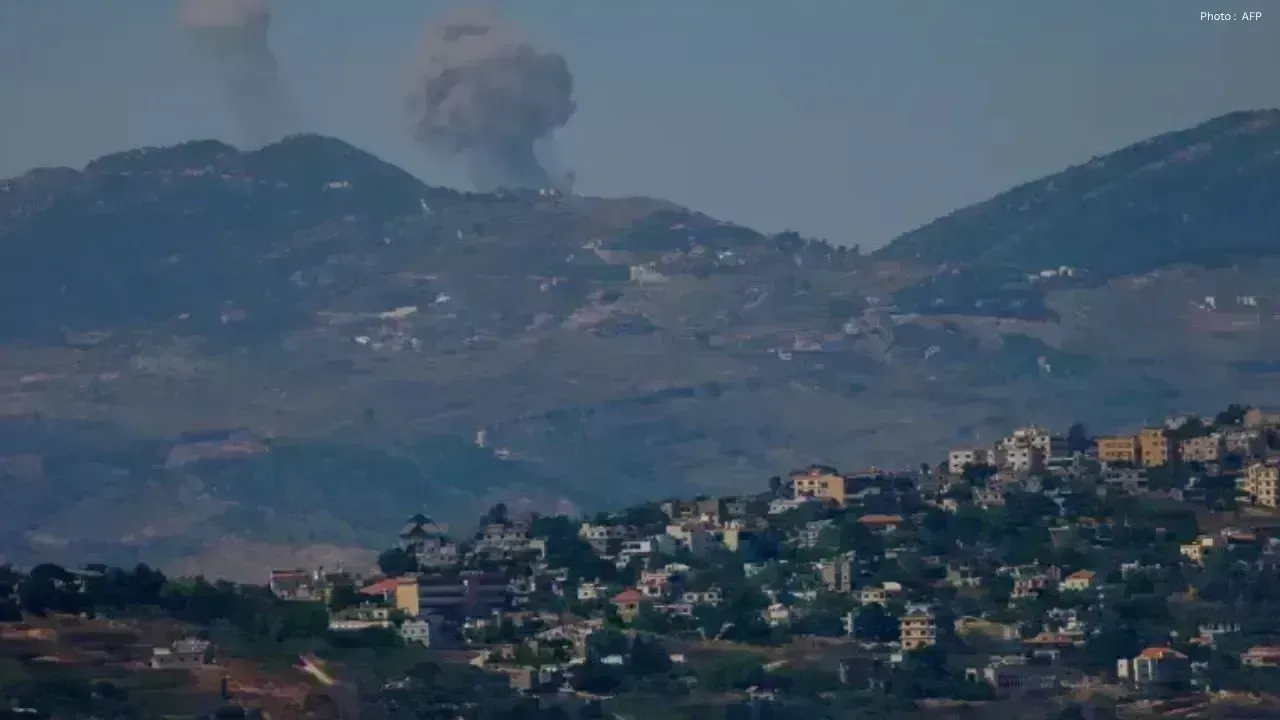
Simultaneously, Israeli military efforts in Lebanon are focused on sites reportedly associated with armed groups near their border, reflecting ongoing security apprehensions and the Israeli stance that military action is imperative to mitigate threats from neighboring regions.
These concurrent actions have created a highly volatile environment. The involvement of numerous actors heightens the probability of miscalculation or unintended escalation, where even minor incidents could escalate into more significant conflict.
A pressing concern remains the potential for the conflict to broaden beyond its current borders. Regional authorities are closely observing the developments, recognizing that instability could have grave implications for security, economic activities, and diplomatic engagements. A wider conflict could disrupt trade routes, impact energy supplies, and destabilize national economies throughout the Middle East.
The humanitarian consequences persist as a significant issue, as ongoing military actions put civilian populations at risk and generate uncertainty for families residing near conflict areas. These communities often encounter disruptions in daily life, including challenges regarding transportation, education, healthcare, and economic prospects. Lengthy instability can yield lasting repercussions long after military actions cease.
The current scenario spotlights the crucial role of air defense systems in contemporary warfare. Interception technology is integral to national security frameworks, enabling countries to address missile and drone threats pre-emptively. However, these systems alone do not resolve the deeper political challenges often propelling conflicts.
Despite the military engagements, diplomatic initiatives remain vital. International leaders advocate for restraint and dialogue, cautioning that further escalation may hinder prospects for peaceful resolutions. Historical patterns reveal that the longstanding conflicts in the Middle East seldom yield enduring solutions through military force alone; sustainable stability necessitates negotiation, dialogue, and political treaties.
The engagement of major global powers further complicates the scenario. Decisions made in Washington, Tehran, and Jerusalem can significantly affect regional security dynamics, prompting global governments—many with vested economic and strategic interests in Middle Eastern stability—to monitor developments closely.
Energy markets remain particularly reactive to occurrences in the region, given that the Middle East is a pivotal oil and natural gas supplier for the global economy. Rising military tensions often stir fears of potential disruptions, consequently influencing international markets and energy pricing.
For everyday citizens, the persistent cycle of military engagement and counteraction engenders uncertainty regarding the future. Many across the region yearn for stability, economic growth, and enhanced opportunities for future generations. Ongoing conflicts jeopardize these aspirations and hinder progress toward long-term development.
The ongoing situation is a clear demonstration of how intertwined regional security has become. Actions taken in one nation can swiftly impact conditions in another, leading to a chain reaction affecting millions. This interconnectedness highlights the increasing necessity for diplomatic engagement.
The US interception of Iranian threats, coupled with the continuation of Israeli operations in Lebanon, underscores an urgent need for efforts to avert a larger conflict. Although military strategies may address immediate concerns, enduring peace hinges on political resolutions and constructive dialogue. The forthcoming weeks will be pivotal in determining whether regional authorities can alleviate tensions or if the crisis will escalate into a graver phase.
#Global News #Global Updates #Middle East #Middle East Crisis #World News










PM Modi Pays Tribute to Mahatma Gandhi, Urges People to Support Khadi
PM Modi pays tribute to Mahatma Gandhi on Gandhi Jayanti and urges citizens to support Khadi and the

Amazon Seeks to Offload $8 Billion in Nvidia Chips to Investors
Amazon plans to move $8 billion in Nvidia chips to investors, using a new financing model to strengt

Samsung Raises Galaxy S26 Prices as Memory Chip Costs Rise
Samsung raises Galaxy S26 prices in South Korea as rising memory chip costs put pressure on smartpho

Lewis Hamilton Calls Singapore Grand Prix One of F1's Toughest Races
Lewis Hamilton discusses the demanding Singapore Grand Prix and brings Plus44 and Almave to Singapor

Denmark's Pandora Opens World's Largest Jewellery Factory in Vietnam
Pandora opens its largest jewellery factory in Vietnam, expanding global production, strengthening s

Gautam Gambhir Questions Batting-Friendly Pitches After India's Record ODI Chase
Gautam Gambhir questions batting-friendly ODI pitches after India’s record chase, calling for a bett

