
You have not yet added any article to your bookmarks!
Join 10k+ people to get notified about new posts, news and tips.
Do not worry we don't spam!
Post by : Saif Rahman
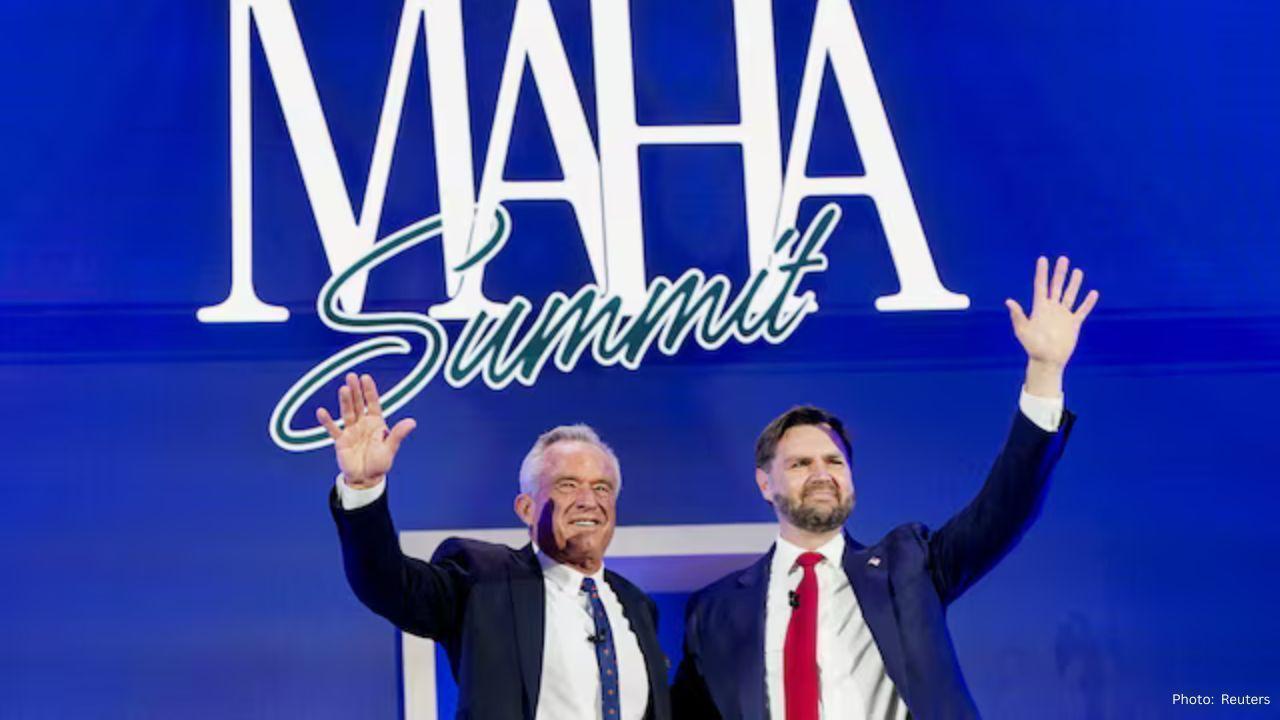
Recently, the United States Environmental Protection Agency (EPA) has convened multiple discussions with leaders from the Make America Healthy Again (MAHA) movement, reflecting a potential shift in the agency’s responsiveness to concerns regarding pesticides and chemical safety. Observers noted that senior EPA officials have become more approachable and responsive during these discussions, highlighting MAHA’s increasing influence within the Trump administration.
Throughout December, EPA Administrator Lee Zeldin and several senior staff members participated in these meetings. Conversations focused on various worries surrounding pesticides and industrial chemicals, emphasizing their effects on human health. Activists from MAHA expressed that this newfound access marks a considerable shift from past interactions when they often felt overlooked or disregarded by agency representatives.
The Make America Healthy Again movement advocates for stringent regulations on vaccines and a reduction in chemical exposure in food, water, and the environment. Its momentum has surged in recent years, benefitting from considerable backing within the Trump administration. This influence can be seen at the Department of Health and Human Services, where Health Secretary Robert F. Kennedy Jr. has incorporated several MAHA-supported initiatives.
EPA officials have acknowledged the meetings and indicated a desire to partner with MAHA members. According to the agency's press office, fostering a dialogue about environmental and public health decisions is of utmost importance, as this level of alignment with a single movement is atypical for federal agencies.
This dialogue follows a petition organized by MAHA activists earlier this year, which called for Zeldin’s removal due to his approval of new pesticides and the appointment of former chemical industry lobbyists to key roles. This campaign amassed thousands of signatures, intensifying scrutiny on the agency.
During the discussions, activists highlighted concerns regarding commonly used pesticides like glyphosate, a weed killer marketed as Roundup, which is embroiled in litigation surrounding its alleged carcinogenic effects. Furthermore, MAHA members raised alarms about “forever chemicals” found in drinking water—compounds that are persistent in the environment and can accumulate in the human body.
Several participants remarked that the atmosphere of these December meetings starkly contrasted with previous discussions. In October, the same EPA officials had appeared disinterested; however, attendees this time described the staff as engaged, respectful, and willing to delve into their concerns. Some interpreted the meetings as an indication of the EPA's efforts to mend its rapport with the movement.
Administrator Zeldin has also expressed a commitment to establishing a formal “MAHA agenda” within the EPA, with plans to address issues such as lead pipes, plastic waste, and food sustainability, while inviting MAHA stakeholders to contribute to these initiatives.
However, critics have pointed out the EPA's inconsistent actions regarding pesticide regulations. Earlier this year, a health commission report headed by Kennedy was perceived as softer on pesticide dangers than many had anticipated, possibly influenced by pressure from agricultural and food industry groups, ultimately reinforcing the EPA’s confidence in its current review practices.
The recent meetings signify a shifting political dynamic. Topics related to chemical safety and pesticide usage, historically championed by Democrats and environmental advocates, are now surfacing on the conservative agenda too. While the discussions hint at potential future policy changes, it is still uncertain whether this new approach will result in stricter regulations, marking a notable moment in the dialogue around environmental health in the United States.
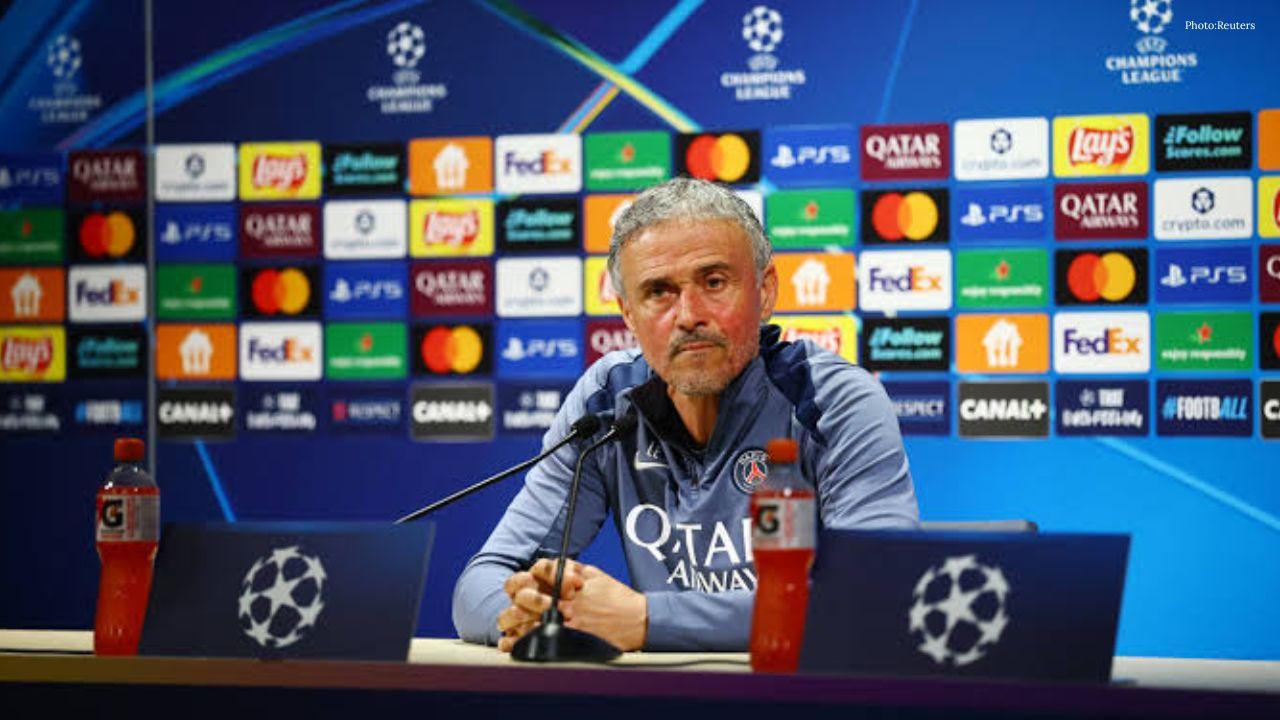





PSG Coach Luis Enrique Urges Players to Step Outside Comfort Zone
PSG coach Luis Enrique says players must leave their comfort zone and keep improving as the club tar

China’s Tiangong Sets New 400m Record at Robot Olympics
China’s Tiangong robot sets a new 400m record at the Robot Olympics, beating a South African robot i

George Russell Wins Dutch GP Sprint, Boosts Mercedes Morale
George Russell wins the Dutch GP Sprint from pole as Mercedes teammate Kimi Antonelli extends his F1

Australia 50/3 After Bangladesh Bowled Out for 64 in Second Test
Australia reached 50/3 after Bangladesh were bowled out for 64 in the second Test, with Mitchell Sta

Jordan Burroughs Returns to Wrestling with 2028 Olympic Dream
Jordan Burroughs returns to wrestling with Real American Freestyle as the Olympic champion eyes a po

Lamborghini Catches Fire on Singapore's ECP, Causing Heavy Traffic
A Lamborghini caught fire on Singapore's ECP, causing heavy traffic and bus delays. No injuries were

