You have not yet added any article to your bookmarks!
Join 10k+ people to get notified about new posts, news and tips.
Do not worry we don't spam!

Post by : Saif Rahman
The Iran nuclear agreement, officially known as the Joint Comprehensive Plan of Action (JCPOA), emerged as a pivotal international treaty in 2015, involving negotiations between Iran and major powers including the U.S., the UK, France, Germany, Russia, and China.
Its primary objective was clear: halt Iran’s development of nuclear weapons while permitting its use of nuclear technology for peaceful purposes. As part of the arrangement, Iran committed to curtail its nuclear activities, which included limiting uranium enrichment and permitting regular inspections by international authorities.
In exchange, numerous economic sanctions levied against Iran were rescinded, enabling a boost to its economy through enhanced trade and access to global markets. The agreement was hailed by numerous nations as a pathway toward peace and greater stability within the Middle East.
Another crucial aim was to extend the so-called “breakout time”—the period needed for a nation to generate sufficient material for a nuclear weapon. By restricting Iran's nuclear initiatives, this deal effectively made it more difficult and time-consuming for the nation to pursue nuclear armament.
Despite its endorsement, the JCPOA faced significant opposition. Detractors contended that it was insufficient and merely postponed Iran’s nuclear ambitions. This critique gained momentum following Donald Trump's ascension to the presidency.
In 2018, Trump made the controversial decision to pull the U.S. out of the Joint Comprehensive Plan of Action, denouncing it as a “bad deal” that failed to adequately confront security threats.
Following the withdrawal, stringent economic sanctions were reinstated against Iran, amplifying the strain on its economy and escalating tensions between the two nations. In retaliation, Iran began scaling back its commitments to the agreement, which in turn fueled further disputes.
The situation has continued to deteriorate. Numerous discussions aimed at reviving or replacing the deal have occurred, yet none have yielded a coherent resolution. Major disagreements linger regarding the allowable level of uranium enrichment for Iran and the potential lifting of sanctions.
The stakes have heightened in recent years amid escalating regional tensions. The U.S. remains focused on preventing Iran from developing nuclear weapons, while Iran asserts that its nuclear program is strictly for peaceful purposes.
The breakdown of the JCPOA has reverberated globally, influencing international politics, heightening uncertainty in the Middle East, and affecting oil markets along with diplomatic relations. The developments are closely monitored by countries worldwide for their implications on global security.
Negotiations for a new agreement continue. Some leaders are optimistic about crafting a more robust deal, while others express concern over the prevailing mistrust complicating the dialogue. Recent negotiations have hinted at potential progress, albeit with notable hurdles to overcome.
A thorough understanding of the Joint Comprehensive Plan of Action (JCPOA) sheds light on the persistent tensions between the United States and Iran today. The deal sought to balance security and cooperation, yet its collapse leaves a multitude of queries unresolved.
The resolution of this issue hinges on both parties' ability to find common ground. A fresh agreement could alleviate tensions and foster stability, while failure to achieve consensus might lead to further conflicts and uncertainties.





APEC Members Emphasise Safe and Responsible Use of Artificial Intelligence
APEC members discuss responsible AI use, digital innovation and data governance as China and the US

Union of European Clubs Challenge UEFA and EFC Over EU Competition Rules
UEC files an EU competition complaint against UEFA and EFC, challenging club representation, governa

Mohammed Shami Retires From Test Cricket, Eyes White-Ball Career
Mohammed Shami retires from Test cricket after 13 years, with 229 wickets. He will continue playing

Singapore Warns Users About Privacy and Security Risks of AI Agents
Singapore warns users about AI agent security risks, data privacy, online scams and unauthorised acc
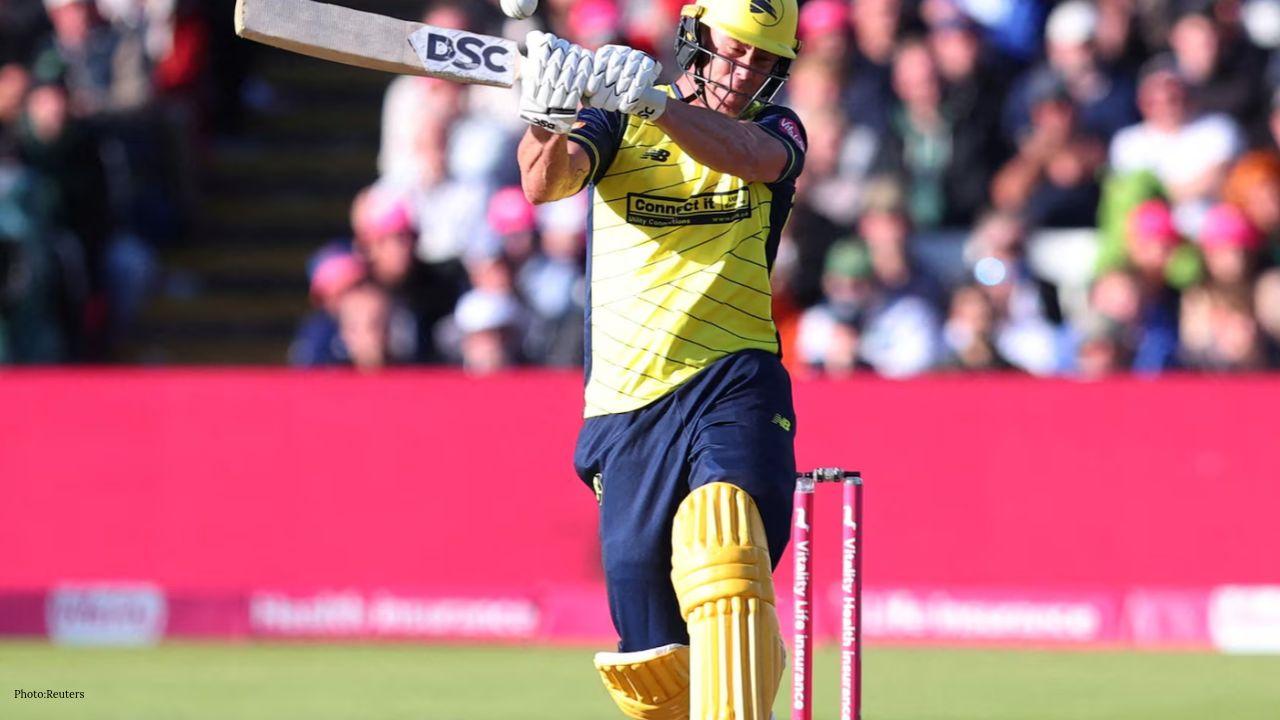
Chris Lynn Completes One-Month Ban After Positive Cocaine Test
Australian cricketer Chris Lynn completes a one-month ban after a positive cocaine test during the T
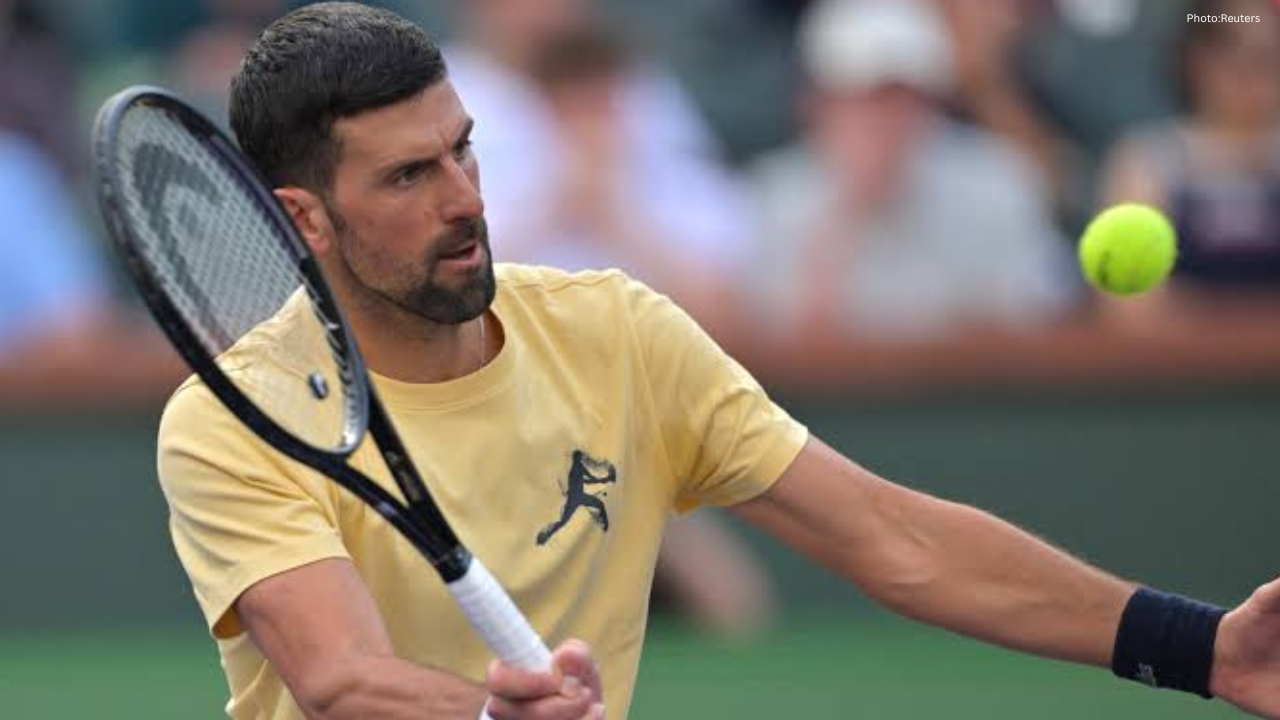
Djokovic Eyes Strong Season Finish as Health Improves Ahead of Paris Masters
Novak Djokovic reports improved health and performance as he targets a strong Paris Masters finish a