
You have not yet added any article to your bookmarks!
Join 10k+ people to get notified about new posts, news and tips.
Do not worry we don't spam!
Post by : Saif Rahman
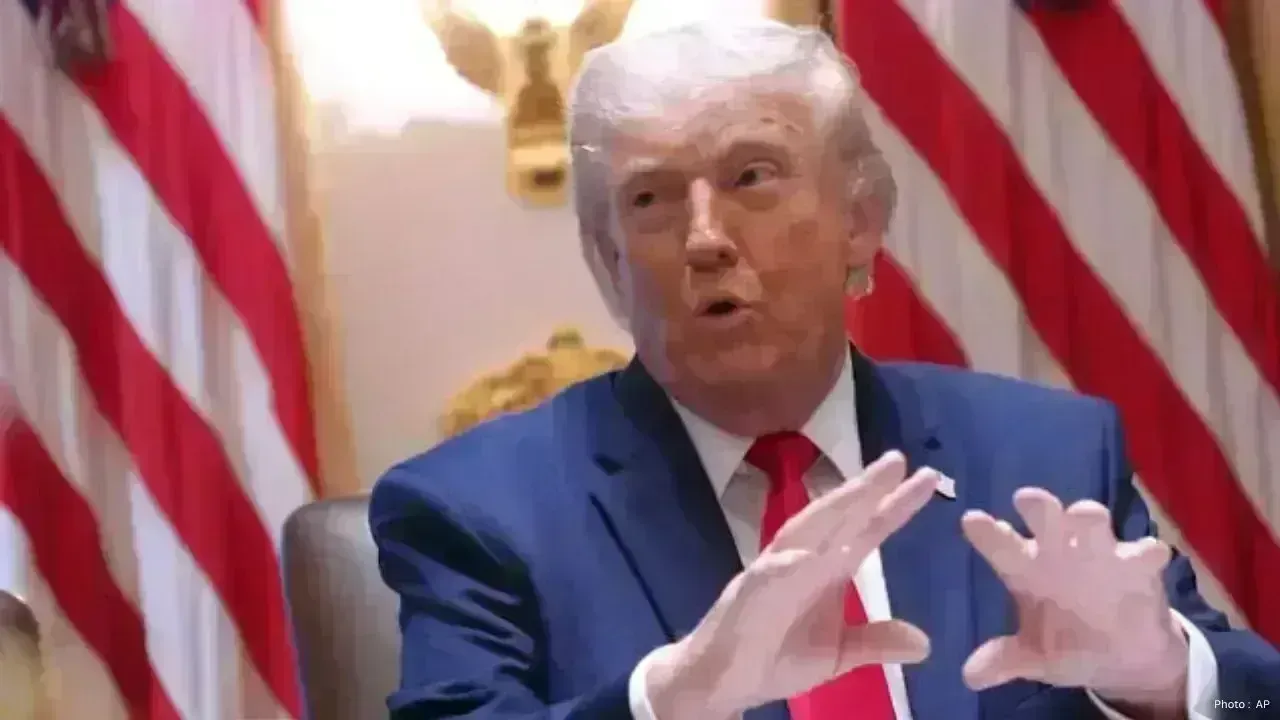
Diplomatic engagements between the United States and Iran are taking center stage again as President Donald Trump conveyed an optimistic outlook on potential agreements. His statements emerged during ongoing dialogues concerning Tehran's nuclear ambitions and broader regional stability.
Trump indicated that Iranian authorities are keen on reaching a diplomatic resolution, prompting him to call for patience from skeptics. His tone reflects optimism regarding the negotiations, amidst a backdrop of prevailing uncertainty about U.S.-Iran relations.
The prospect of a deal is crucial not only for the U.S. and Iran but also for global stakeholders. Decades-long complexities define their relationship, laden with political strife, economic embargoes, and disputes regarding nuclear activities. Each diplomatic initiative draws international scrutiny due to its potential effects on security throughout the region.
Discussions currently emphasize Iran's nuclear initiatives. Western nations harbor significant apprehensions concerning uranium enrichment and its broader implications for security. However, Iranian representatives maintain that their nuclear pursuits are strictly for peaceful intentions, encompassing energy generation and scientific exploration.
Trump's remarks point toward potential behind-the-scenes advancements, even if public disclosures remain scarce. Diplomatic negotiations typically involve intricate discussions, various technical aspects, and multiple negotiation phases before any finalized agreement emerges. Consequently, political leaders' public pronouncements are monitored closely for indications of movement or hurdles.
The ramifications of these discussions span well beyond just the two nations involved. Countries throughout the Middle East watch closely, aware that any outcome could reshape regional security frameworks. Neighboring states have long regarded the nuclear dilemma as a pivotal strategic challenge.
Economic considerations also weigh heavily on the discussions. Years of international sanctions have significantly hampered Iran's economy, curtailing trade options and limiting access to world markets. A fruitful diplomatic resolution could unlock pathways for economic advancement, greater investment, and enhanced commercial relations with other nations.
The energy sector is intimately linked to the ongoing negotiations. With substantial oil and natural gas reserves, shifts in sanctions or trade policies could alter global energy supplies and influence market prices.
Proponents of diplomacy argue that dialogue is the most effective means to resolve longstanding conflicts. They assert that negotiations can alleviate tensions, avoid misunderstandings, and foster collaboration. Successful accords often pave the way for increased trust between historically adversarial nations.
Nonetheless, skepticism looms among some critics. Certain policymakers and experts express doubts as to whether any forthcoming agreement would adequately resolve concerns surrounding nuclear proliferation, regional power dynamics, and long-term security guarantees. Such apprehensions continue to fuel discussions among governments and global bodies.
Political contexts in both nations might also influence the tempo of negotiations. Significant diplomatic agreements often necessitate robust domestic backing and careful alignment across governmental sectors. Leaders must navigate international pursuits alongside the expectations of their citizens, lawmakers, and security advisors.
The international community has regularly advocated for peaceful resolutions to nuclear-related disputes. Numerous governments uphold that diplomacy provides the most promising avenue toward reducing risks and fostering stability. Global entities have also underscored the importance of dialogue, transparency, and honoring agreements.
The current landscape illustrates the complexities inherent in addressing intricate geopolitical challenges. Diplomatic negotiations demand patience, compromise, and ongoing dialogue among parties with diverse interests and perspectives. Although progress can be gradual, diplomatic avenues often stand as more favorable than confrontational approaches.
Trump's positive assertions have injected renewed vigor into the ongoing discussions and attracted attention to the feasibility of a future agreement. Whether these negotiations culminate in a breakthrough remains unclear, but the tenacity of dialogue continues to shine through.
As discussions unfold, stakeholders, investors, and international analysts will remain vigilant for developments. The results could significantly impact not only U.S.-Iran relations but also the larger security and economic climate across the Middle East.










PM Modi Pays Tribute to Mahatma Gandhi, Urges People to Support Khadi
PM Modi pays tribute to Mahatma Gandhi on Gandhi Jayanti and urges citizens to support Khadi and the

Amazon Seeks to Offload $8 Billion in Nvidia Chips to Investors
Amazon plans to move $8 billion in Nvidia chips to investors, using a new financing model to strengt

Samsung Raises Galaxy S26 Prices as Memory Chip Costs Rise
Samsung raises Galaxy S26 prices in South Korea as rising memory chip costs put pressure on smartpho

Lewis Hamilton Calls Singapore Grand Prix One of F1's Toughest Races
Lewis Hamilton discusses the demanding Singapore Grand Prix and brings Plus44 and Almave to Singapor

Denmark's Pandora Opens World's Largest Jewellery Factory in Vietnam
Pandora opens its largest jewellery factory in Vietnam, expanding global production, strengthening s

Gautam Gambhir Questions Batting-Friendly Pitches After India's Record ODI Chase
Gautam Gambhir questions batting-friendly ODI pitches after India’s record chase, calling for a bett

