
You have not yet added any article to your bookmarks!
Join 10k+ people to get notified about new posts, news and tips.
Do not worry we don't spam!
Post by : Shweta
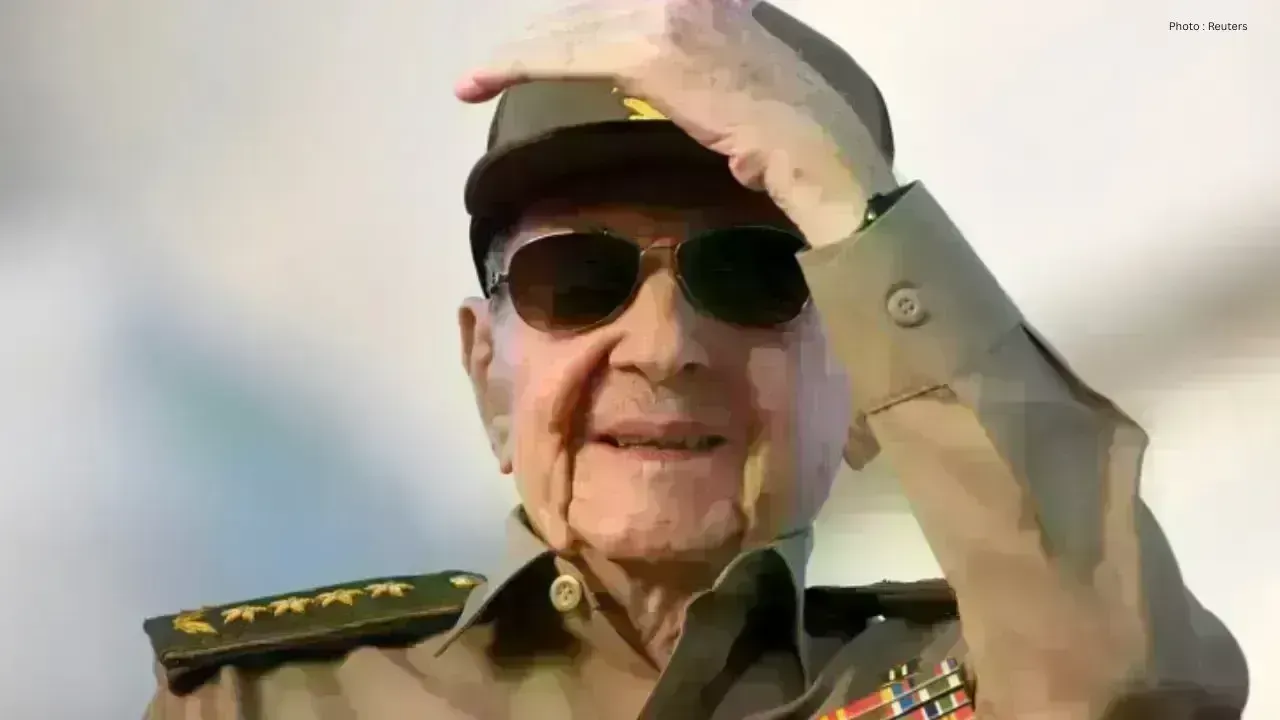
The spotlight is on US-Cuba relations once more, sparked by developments related to former Cuban leader Raul Castro and sharp comments from US President Donald Trump. This situation underscores the long and intricate history of political tension that has characterized the interactions between these neighboring countries for over sixty years.
Raul Castro, who was Cuba's president from 2008 until 2018, has been a pivotal figure in steering the country's communist governance, succeeding his brother Fidel Castro. The Castro regime tightly controlled political discourse and vehemently opposed American interference in the region. In turn, the United States has enforced economic sanctions and trade embargoes against Cuba for decades, largely due to human rights concerns and Cold War-era strife.
The direction of this relationship shifted notably during Barack Obama's presidency, when, in 2014, the administration revealed its intent to re-establish diplomatic dialogue after more than half a century of contention. This led to the reopening of embassies, relaxation of travel rules, and an uptick in various forms of economic collaboration, with many experts deeming it a crucial moment in US-Cuba diplomacy.
However, post-2017, relations took a downturn under Trump’s administration, which imposed more stringent measures against Cuba, including stricter travel restrictions and financial penalties. Trump frequently accused Cuban leaders of stifling political freedoms and supporting anti-US agendas in Latin America, arguing that a firmer approach was essential for pushing democratic change in Cuba.
The recent events surrounding Raul Castro have reignited political discourse in both nations. Proponents of a more aggressive US stance argue for enhancing international scrutiny on the Cuban government regarding human rights and political suppression. Conversely, Cuban officials dismiss these critiques, labeling them as unwarranted meddling in their internal affairs.
Analysts contend that the ties between Washington and Havana remain significantly shaped by historical contexts, political dynamics, migration issues, and ongoing economic penalties. The long-standing US trade embargo, established during the Cold War, continues to be a primary point of discord, affecting many Cuban citizens who are already coping with hardships attributed to sanctions and restricted trade avenues.
In recent times, migration from Cuba to the United States has also emerged as a pressing concern. The economic struggles faced by many in Cuba have driven a significant number to seek better prospects abroad. As US officials navigate Cuban policies, discussions concerning border security, migration management, and regional stability have gained prominence.
Political experts maintain that the future of US-Cuba relations hinges on pivotal choices by leadership in both nations and evolving global circumstances. While some leaders advocate for renewed diplomatic efforts, others remain committed to imposing strict sanctions. For now, the recent developments linked to Raul Castro serve to underscore the delicate and frequently tense nature of US-Cuba relations.










PM Modi Pays Tribute to Mahatma Gandhi, Urges People to Support Khadi
PM Modi pays tribute to Mahatma Gandhi on Gandhi Jayanti and urges citizens to support Khadi and the

Amazon Seeks to Offload $8 Billion in Nvidia Chips to Investors
Amazon plans to move $8 billion in Nvidia chips to investors, using a new financing model to strengt

Samsung Raises Galaxy S26 Prices as Memory Chip Costs Rise
Samsung raises Galaxy S26 prices in South Korea as rising memory chip costs put pressure on smartpho

Lewis Hamilton Calls Singapore Grand Prix One of F1's Toughest Races
Lewis Hamilton discusses the demanding Singapore Grand Prix and brings Plus44 and Almave to Singapor

Denmark's Pandora Opens World's Largest Jewellery Factory in Vietnam
Pandora opens its largest jewellery factory in Vietnam, expanding global production, strengthening s

Gautam Gambhir Questions Batting-Friendly Pitches After India's Record ODI Chase
Gautam Gambhir questions batting-friendly ODI pitches after India’s record chase, calling for a bett

