You have not yet added any article to your bookmarks!
Join 10k+ people to get notified about new posts, news and tips.
Do not worry we don't spam!
Post by : Shweta
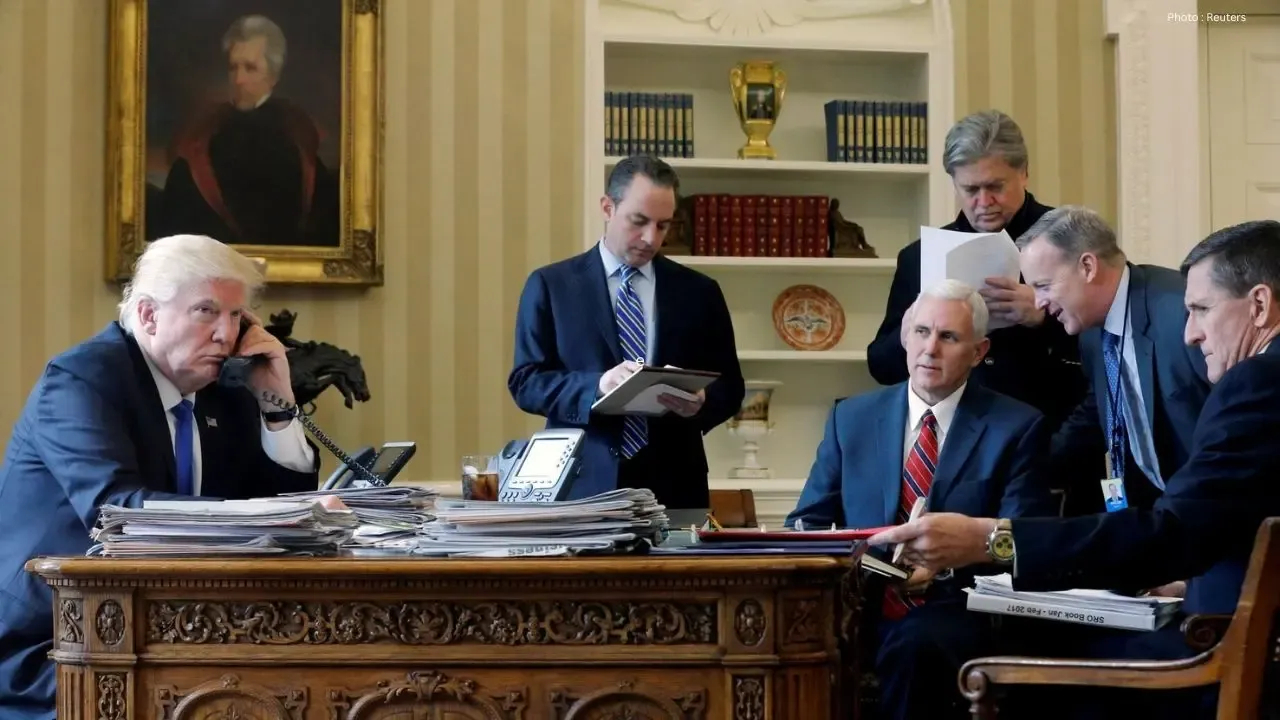
On June 23, 2026, the White House unveiled the “America First Resilience Strategy,” a framework from President Trump aimed at reinforcing the United States against various national security and economic hurdles. This long-term initiative is portrayed as a commitment to keeping the nation secure, thriving, and ready for unforeseen crises.
As per statements from the administration, the strategy's primary focus is on thwarting adversaries that may endanger the U.S. and its vital interests. Officials indicated that resilience is recognized as a strategic asset necessary for maintaining freedom of action, safeguarding national interests, fostering economic developments, and mitigating the repercussions of emergencies or disruptions.
With the 250th anniversary of independence approaching, President Trump has reiterated the significance of upholding the country's security and economic might for generations to come. The new framework is presented as a means of securing peace through strength while enhancing the nation's capability to endure unexpected challenges.
The strategy is predicated on four transformative principles that apply to four critical resilience domains. Though specific implementation tactics will adapt over time, the administration assures that the overarching strategy promotes a risk-informed approach bolstered by technological advancement and renewed federalism.
Officials emphasized the pivotal role of modern technology in bolstering preparedness and enhancing national capacities. The strategy accentuates the necessity for collaboration among different levels of government and the private sector, stressing shared responsibilities in mitigating risks and sustaining stability.
A significant element of this initiative is the active participation of a wide range of stakeholders. The strategy empowers not just American citizens but also businesses, state authorities, local municipalities, and federal bodies to play their part in safeguarding the nation’s security and economic health.
By fostering collaboration among these sectors, the White House aims to develop a more resilient framework capable of effectively addressing disruptions, whether due to natural calamities or emerging security threats. This cooperative approach is believed to help maintain national prosperity and defend freedoms.
Resilience planning is increasingly vital as governments worldwide confront cyber risks, infrastructure weaknesses, supply chain interruptions, and other dynamic challenges. In the U.S., lawmakers have been exploring avenues to enhance preparedness while safeguarding both economic growth and national security.
According to the Trump administration, the America First Resilience Strategy aims to create a lasting framework to support U.S. interests over the long term. Advocates argue that bolstering resilience can lessen crisis impacts and improve national competitiveness, though critics and analysts will scrutinize its implementation and funding closely.
Further specifics on policies and programs may materialize as federal entities begin to convert the broader framework into actionable plans. Congressional oversight and teamwork with state governments could also shape the initiative's evolution in the years ahead.
The release of this strategy signifies another stride in the broader America First agenda, as the White House identifies resilience as a crucial element in sustaining U.S. security, economic stability, and long-term prosperity in an increasingly complex global landscape.







APEC Members Emphasise Safe and Responsible Use of Artificial Intelligence
APEC members discuss responsible AI use, digital innovation and data governance as China and the US

Union of European Clubs Challenge UEFA and EFC Over EU Competition Rules
UEC files an EU competition complaint against UEFA and EFC, challenging club representation, governa

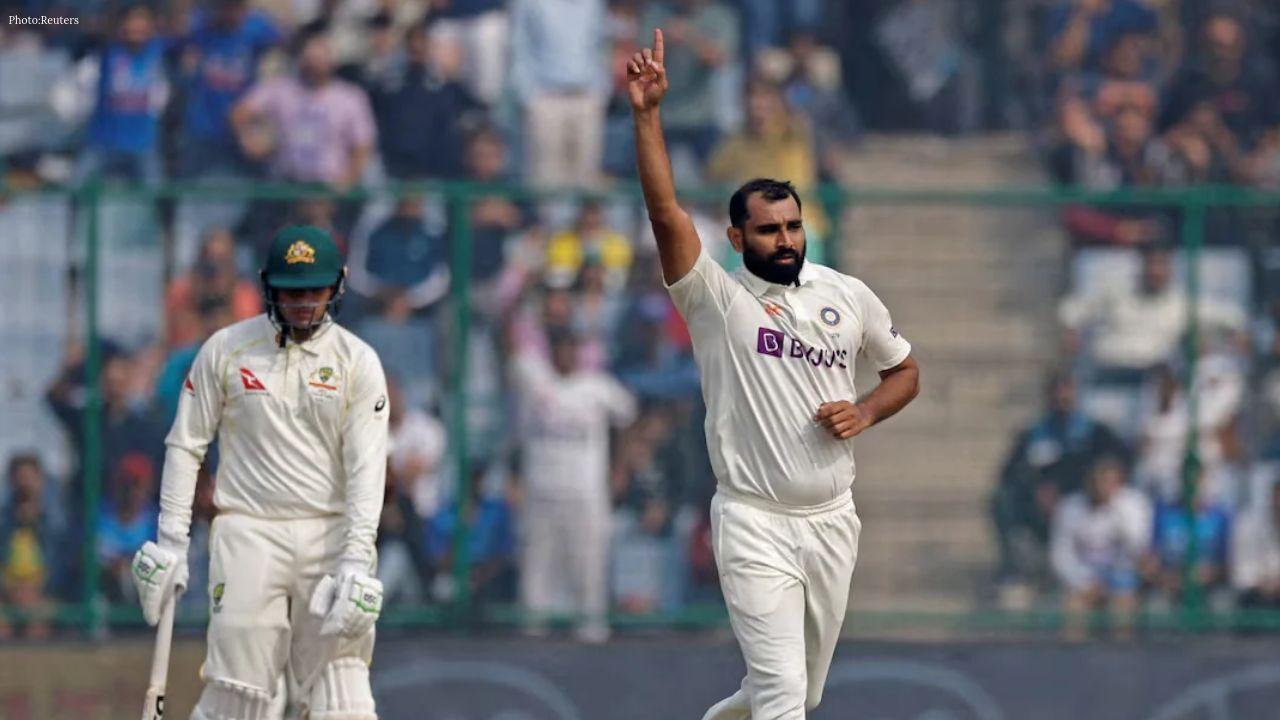
Mohammed Shami Retires From Test Cricket, Eyes White-Ball Career
Mohammed Shami retires from Test cricket after 13 years, with 229 wickets. He will continue playing

Singapore Warns Users About Privacy and Security Risks of AI Agents
Singapore warns users about AI agent security risks, data privacy, online scams and unauthorised acc

Chris Lynn Completes One-Month Ban After Positive Cocaine Test
Australian cricketer Chris Lynn completes a one-month ban after a positive cocaine test during the T

Djokovic Eyes Strong Season Finish as Health Improves Ahead of Paris Masters
Novak Djokovic reports improved health and performance as he targets a strong Paris Masters finish a