You have not yet added any article to your bookmarks!
Join 10k+ people to get notified about new posts, news and tips.
Do not worry we don't spam!
Post by : Rohit Dhiman
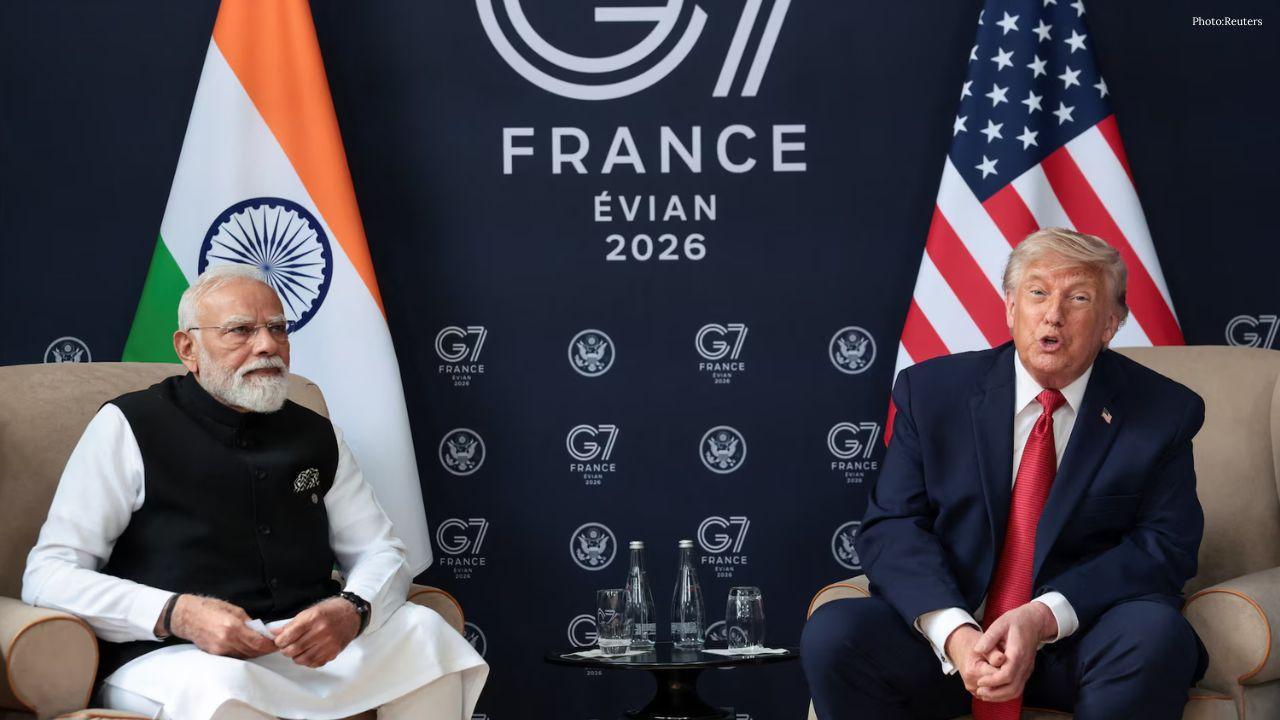
US President Donald Trump’s decision to waive key Russia-related sanctions and tariffs could provide India with relief over energy supplies while creating fresh opportunities for a long-awaited trade agreement between New Delhi and Washington. The move comes at a sensitive point in bilateral relations, with disagreements over Russian oil purchases, tariffs and other policy issues having complicated negotiations between the two countries. An executive order issued by Trump on Friday removed key sanctions and tariff measures that were due to take effect this week under legislation referred to in the report as the Graham Act. The measures included duties on Russian goods and penalties targeting countries purchasing Russian oil and gas. Trump said the waiver was in the national interest of the United States. The decision is also being viewed as a potential opening for India, which relies heavily on imported energy to meet domestic demand. The Trump Russia sanctions waiver could reduce immediate pressure on India’s energy policy and give negotiators more room to address the disagreements holding up a bilateral trade agreement. However, the waiver does not itself confirm that a trade deal has been finalised or that all trade-related disputes between the countries have been resolved.
India is one of the world's largest oil importers and consumers, making access to affordable energy a major economic priority. Changes in international oil prices or restrictions on suppliers can affect transportation costs, industrial production, inflation and household fuel expenses. Russia became a particularly important source of crude oil for India following changes in global energy trade. Earlier in 2026, Russian supplies accounted for nearly half of India’s oil imports, according to the report. Purchases subsequently declined in August and continued to fall. The prospect of additional US penalties created a difficult choice for Indian policymakers. Cutting Russian oil purchases further to avoid higher tariffs could force refiners to seek supplies from alternative markets, potentially increasing costs if replacement oil proved more expensive or difficult to obtain. These pressures matter beyond the energy industry. Higher crude prices can affect the cost of transporting goods, running factories and delivering essential services. They can also complicate efforts to keep inflation under control. The latest decision therefore offers potential breathing room for India energy security, although its long-term impact will depend on the conditions of the waiver, future US policy decisions and developments in international oil markets.
Read Also: Ravi Shastri Urges India to Manage Jasprit Bumrah Ahead of 2027 World Cup
Before the waiver, the proposed measures threatened to expose Indian goods to tariffs of up to 100 per cent under the legislation described in the report. India’s continued purchases of Russian oil were a central concern because the country ranks among the major buyers of Russian crude. The prospect of such high duties added uncertainty for Indian exporters and businesses seeking stable access to the US market. Higher tariffs can make products more expensive for American buyers, weaken the competitiveness of overseas suppliers and disrupt established trade relationships. Indian officials had warned that the additional tariff measures could damage bilateral ties. The dispute also added pressure to negotiations that had already been underway for months. For India, the issue involved two connected priorities: maintaining access to affordable energy and protecting its export interests in one of its important international markets.
US Secretary of State Marco Rubio said trade negotiations with India were among the considerations surrounding the waiver decision. Speaking to reporters in Uzbekistan on Monday, Rubio indicated that Washington and New Delhi were close to completing an agreement. Rubio was scheduled to arrive in India on Tuesday for a two-day visit. His programme included a meeting with Indian External Affairs Minister S. Jaishankar to discuss cooperation in areas including energy, trade, investment and defence. The visit could provide an opportunity for both governments to review unresolved issues and identify areas where progress is possible. The India US trade deal has been under negotiation for months, but the process has faced delays. The dispute surrounding Russian oil and the possibility of higher tariffs added another complication to the discussions. Rubio’s comments suggest that Washington sees the negotiations as an important part of its broader relationship with India. However, his assessment that the deal is close does not amount to a formal announcement of an agreement.





APEC Members Emphasise Safe and Responsible Use of Artificial Intelligence
APEC members discuss responsible AI use, digital innovation and data governance as China and the US

Union of European Clubs Challenge UEFA and EFC Over EU Competition Rules
UEC files an EU competition complaint against UEFA and EFC, challenging club representation, governa

Mohammed Shami Retires From Test Cricket, Eyes White-Ball Career
Mohammed Shami retires from Test cricket after 13 years, with 229 wickets. He will continue playing

Singapore Warns Users About Privacy and Security Risks of AI Agents
Singapore warns users about AI agent security risks, data privacy, online scams and unauthorised acc

Chris Lynn Completes One-Month Ban After Positive Cocaine Test
Australian cricketer Chris Lynn completes a one-month ban after a positive cocaine test during the T
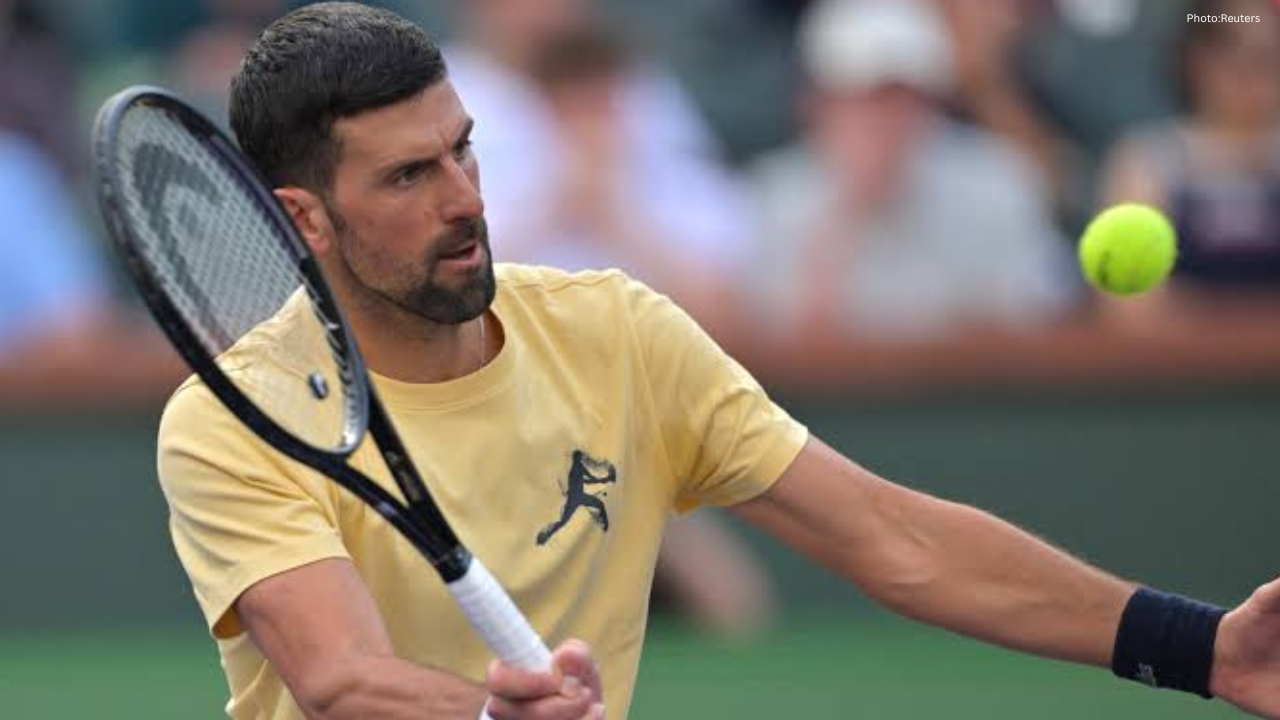
Djokovic Eyes Strong Season Finish as Health Improves Ahead of Paris Masters
Novak Djokovic reports improved health and performance as he targets a strong Paris Masters finish a