You have not yet added any article to your bookmarks!
Join 10k+ people to get notified about new posts, news and tips.
Do not worry we don't spam!
Post by : Shweta
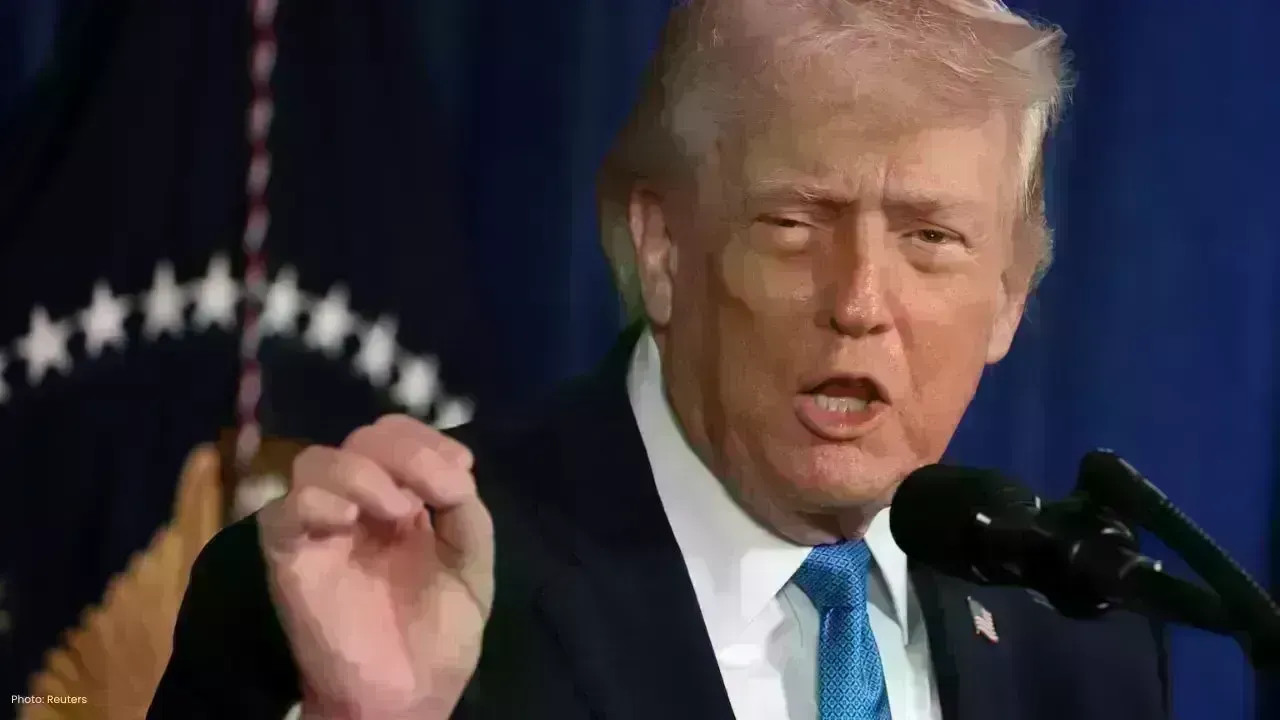
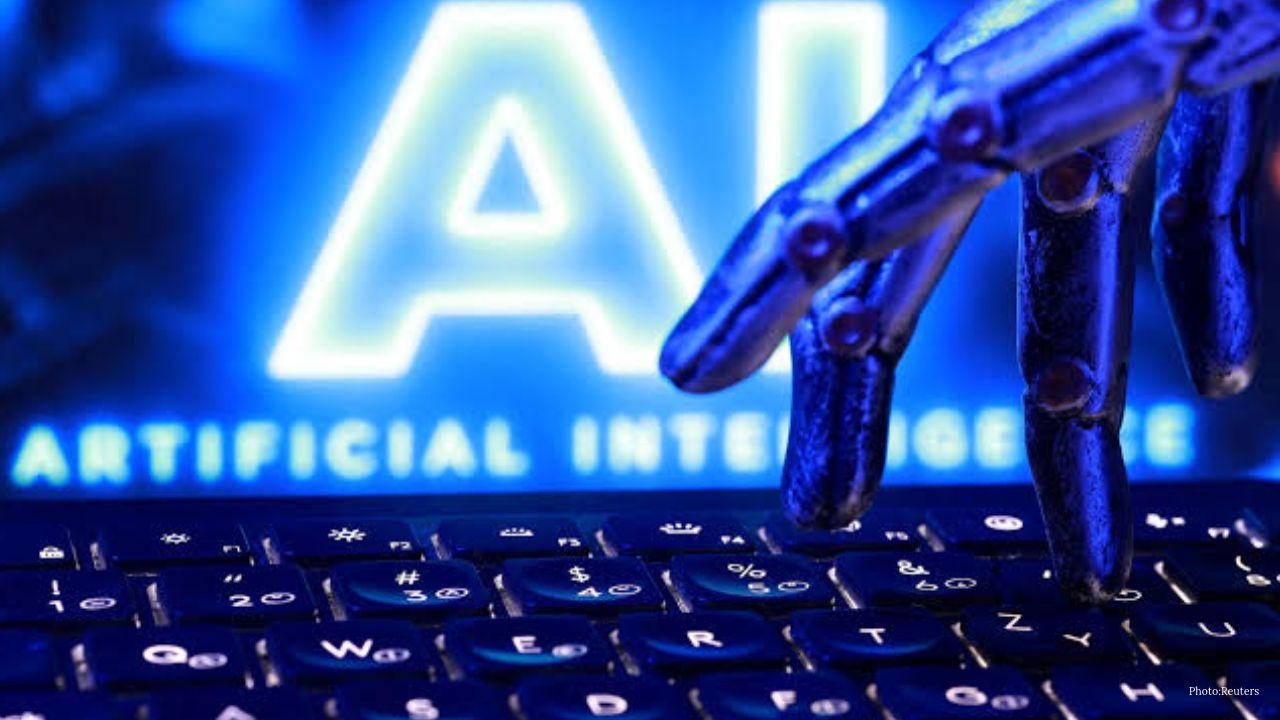
President Trump has unveiled a new directive focused on amplifying the integration of artificial intelligence in the national security framework of the United States. The White House characterized this initiative as a pivotal move to boost America's defense strength and ensure the nation remains at the forefront of technological advancements.
A fact sheet issued by the White House outlines the National Security Presidential Memorandum, which sets the stage for the growth and implementation of artificial intelligence across military and intelligence sectors. This directive aims to enhance operational efficiency while upholding safeguards and accountability measures.
The memorandum emphasizes the rapid integration of AI technologies in governmental bodies tasked with national security. Officials believe that AI can significantly enhance military strategy, intelligence evaluation, cybersecurity efforts, and other vital operations. The administration envisions advanced AI systems as essential contributors to the safeguarding of the nation’s interests.
A major highlight of the directive is the establishment of a more adaptable AI development approach. Rather than being restricted to a single vendor, agencies are encouraged to utilize diverse AI platforms and technologies. The White House posits that this strategy will enhance resilience and lessen dependency on any sole entity.
Moreover, the directive prioritizes the construction of secure computing infrastructures necessary for advanced AI capabilities. Government entities are tasked with ensuring that forthcoming systems possess the computational strength needed to manage increasingly intricate technologies.
The Department of Defense has also been instructed to reassess and modernize its policies concerning AI application in military contexts. The administration underscored the necessity of human oversight and accountability as AI becomes more embedded in defense operations.
White House representatives expressed that this policy aims to guarantee the usage of AI technologies aligns with U.S. laws and ethical standards. The directive specifies that AI should not facilitate unlawful surveillance or censorship, emphasizing the importance of responsible development.
This new memorandum replaces a previous national AI security policy established during President Biden's term. Trump administration officials regard this updated strategy as a response to evolving technological advancements and increasing competition within the AI sector.
The significance of artificial intelligence has surged, becoming a strategic focus for governments globally. Nations are heavily investing in AI research and infrastructure to gain competitive edges in defense, cybersecurity, intelligence, and economic standing. U.S. officials have consistently underscored that maintaining a lead in advanced technologies is critical to national security.
Technology specialists have indicated that AI systems will likely shape numerous facets of future military endeavors, encompassing data assessment, autonomous solutions, and threat identification. As technology progresses, policymakers confront challenges regarding ethical guidelines, transparency, and suitable safeguards.
This recent directive exemplifies the escalating significance of artificial intelligence in determining future security paradigms. It reflects the administration's commitment to hasten AI implementation while ensuring oversight and legal protections are in place.
The rollout of this policy will probably require additional directives from federal agencies and evaluations by the Department of Defense and the intelligence community. The effectiveness of these initiatives and their implications for national security operations will become evident as the policy progresses.
Stay updated with us for more significant news and developments ahead.





APEC Members Emphasise Safe and Responsible Use of Artificial Intelligence
APEC members discuss responsible AI use, digital innovation and data governance as China and the US

Union of European Clubs Challenge UEFA and EFC Over EU Competition Rules
UEC files an EU competition complaint against UEFA and EFC, challenging club representation, governa

Mohammed Shami Retires From Test Cricket, Eyes White-Ball Career
Mohammed Shami retires from Test cricket after 13 years, with 229 wickets. He will continue playing

Singapore Warns Users About Privacy and Security Risks of AI Agents
Singapore warns users about AI agent security risks, data privacy, online scams and unauthorised acc

Chris Lynn Completes One-Month Ban After Positive Cocaine Test
Australian cricketer Chris Lynn completes a one-month ban after a positive cocaine test during the T
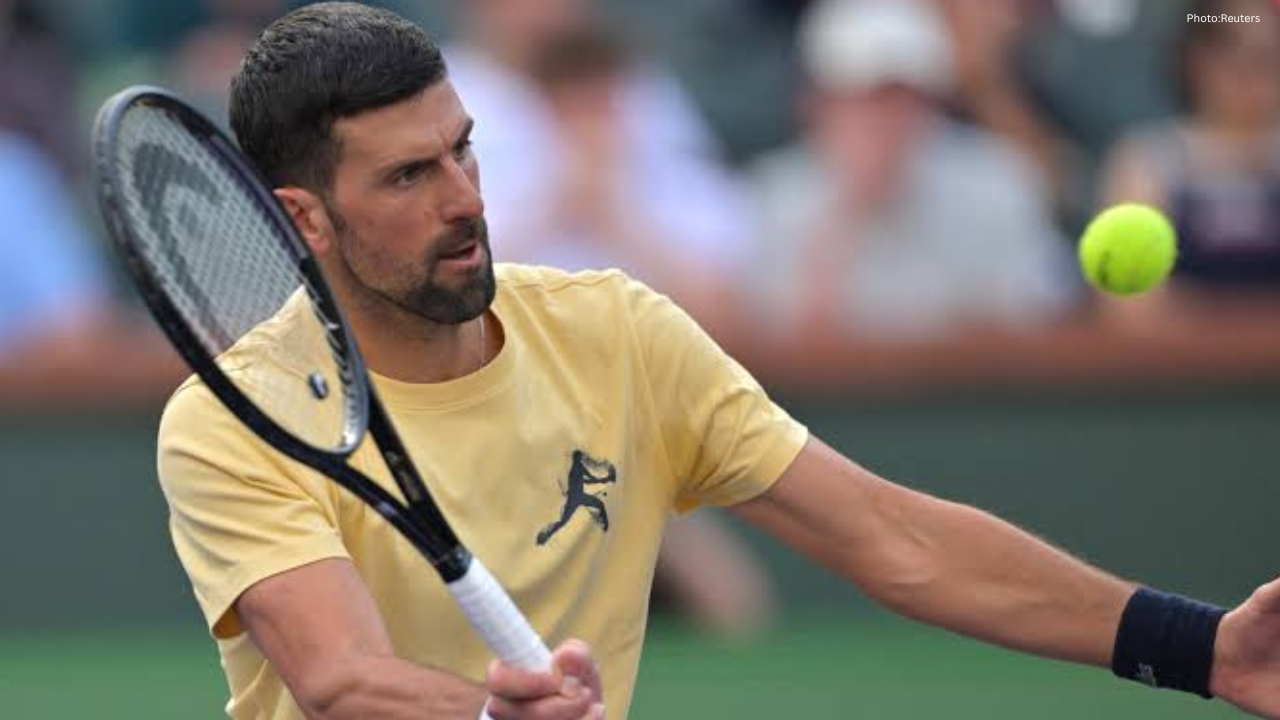
Djokovic Eyes Strong Season Finish as Health Improves Ahead of Paris Masters
Novak Djokovic reports improved health and performance as he targets a strong Paris Masters finish a